


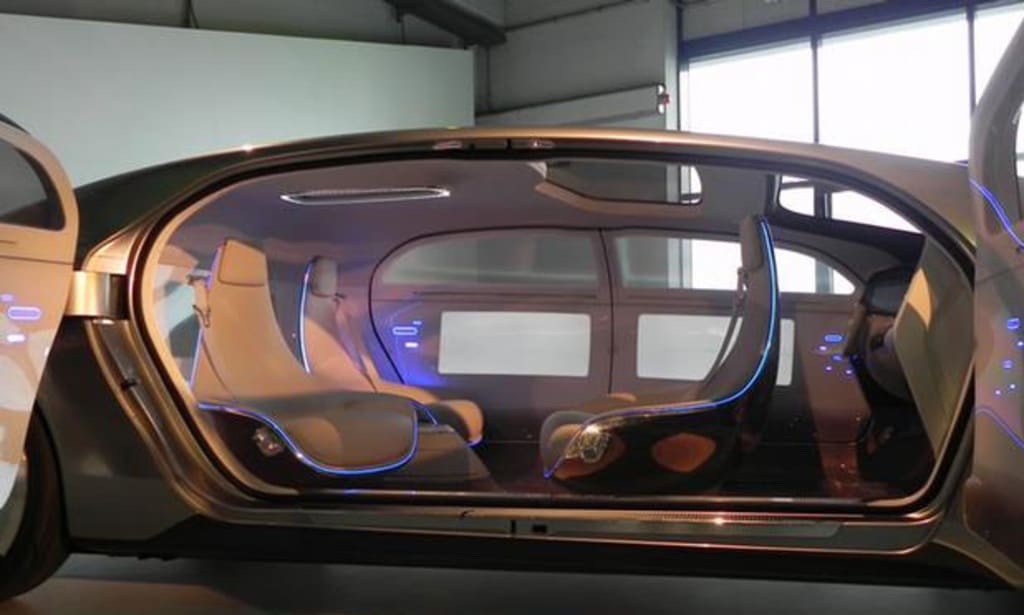
Ever dream of a commute where you’re the passenger? Instead of watching the brake lights in front of you, you could be watching a show, calling a friend, or just relaxing.
This future is closer than you think, thanks to self-driving cars.
These cars use smart technology like sensors and cameras to see the world and drive on their own. It’s a big change, but it’s all about making your life better, safer, and easier. Let’s break down how.
1. Safety First: Fewer Accidents, Safer Roads
Most car accidents happen because of human mistakes—like being tired, distracted, or just having a bad day. Self-driving cars don’t have those bad days. They always pay attention and can react instantly to danger. This means safer roads for everyone, whether you’re walking, biking, or riding along.
2. Freedom for Everyone to Get Around
What about people who can’t drive? Self-driving cars will be a game-changer for elderly parents, people with disabilities, or even your teenager. It’s like having a friendly robot chauffeur, ready to take you wherever you need to go, anytime.
3. Less Traffic, Smoother Rides
Imagine roads where cars work together like a team, not a traffic jam. Because self-driving cars can communicate, they can avoid sudden stops and keep traffic flowing. This means you spend less time sitting in congestion and more time doing what you love.
4. Better for the Environment (and Your Wallet!)
These smart cars are designed to drive efficiently. They smooth out the stop-and-go driving that wastes gas. Less wasted fuel means you save money and help put less pollution into the air. It’s a small change that makes a big difference for our planet.
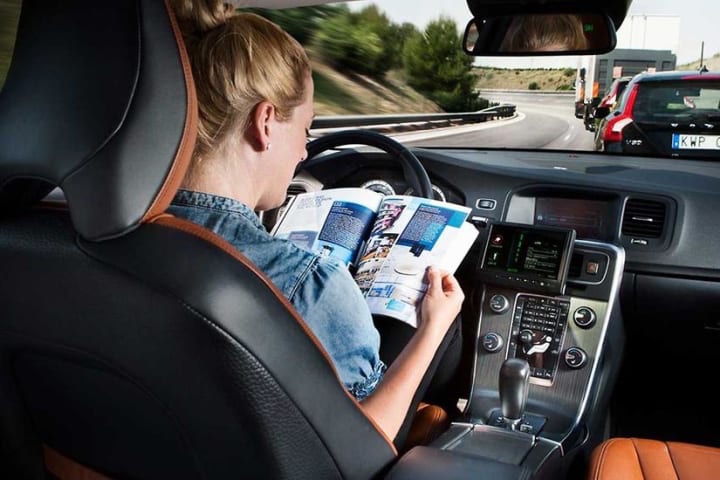
5. Turn Drive Time into “You” Time
Your daily commute could become the most productive—or most relaxing—part of your day. Read a book, finish some work, take a nap, or watch the news. You’ll arrive feeling refreshed instead of stressed out.
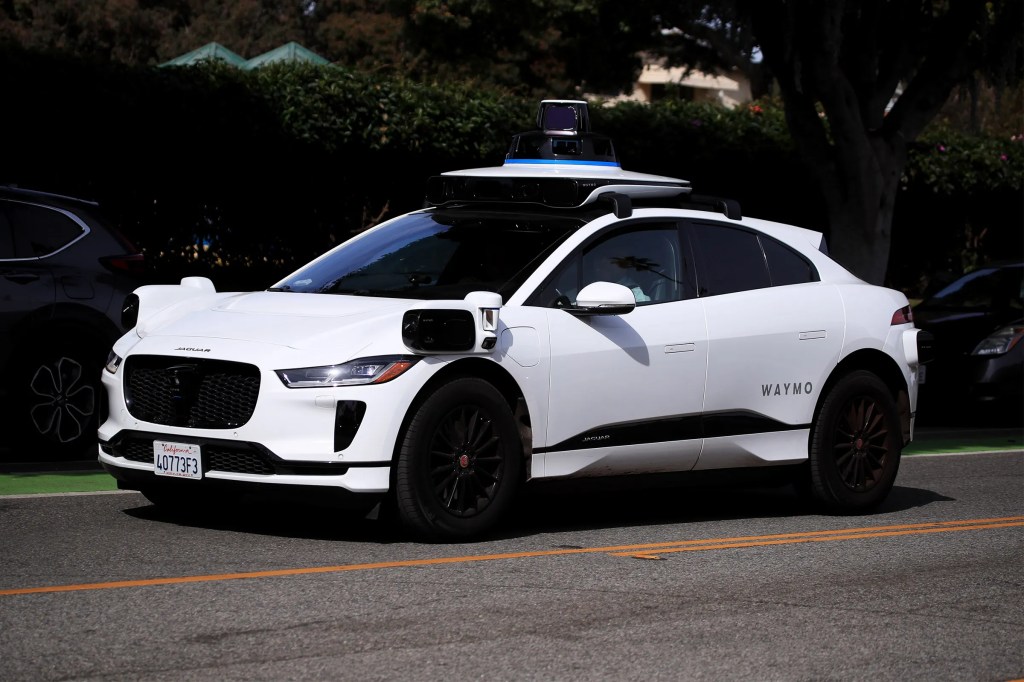
Self Driving Cars Challenges
There are several technical challenges that need to be addressed before self-driving cars can become widespread. Some of these challenges include:
1. Sensor technology: Self-driving cars rely on sensors, such as cameras, lidar, and radar, to detect objects and navigate the roads. These sensors need to be able to accurately detect and identify objects in a variety of driving conditions, including rain, snow, and fog.
2. Artificial intelligence and machine learning: Self-driving cars use artificial intelligence and machine learning algorithms to interpret sensor data and make decisions about how to navigate the roads. These algorithms need to be able to learn and adapt to new situations, such as unexpected road conditions or construction zones.
3. Cybersecurity: Self-driving cars are vulnerable to cyberattacks, which could compromise their safety and security. It is important to develop robust cybersecurity measures to protect self-driving cars from hacking and other cyber threats.
4. Communication infrastructure: Self-driving cars need to be able to communicate with other vehicles and with the surrounding infrastructure, such as traffic lights and road signs. A robust communication infrastructure is needed to ensure that self-driving cars can operate safely and efficiently.
5. Liability and legal issues: There are many liability and legal issues that need to be addressed before self-driving cars can become widespread. For example, who is responsible if a self-driving car is involved in an accident? How can we ensure that self-driving cars are programmed to make ethical decisions?
Addressing these technical challenges will be critical to the widespread adoption of self-driving cars. Many car manufacturers and technology companies are working on solutions to these challenges, but there is still much work to be done.
Can Self-Driving Cars Make Ethical Decisions?
Ensuring that self-driving cars are programmed to make ethical decisions is a complex issue that requires input from a variety of stakeholders, including car manufacturers, technology companies, policymakers, and the public. Here are some of the ways in which ethical decision-making can be incorporated into self-driving car programming:
1. Develop clear ethical guidelines: Car manufacturers and technology companies can work with ethicists and experts in the field to develop clear ethical guidelines for self-driving cars. These guidelines can help ensure that self-driving cars are programmed to make decisions that are in line with societal values.
2. Incorporate public input: It is important to solicit input from the public on what values and priorities should be incorporated into self-driving car programming. This can be done through public surveys, town hall meetings, and other forms of public engagement.
3. Use machine learning algorithms: Machine learning algorithms can be used to help self-driving cars learn from past experiences and make decisions based on ethical principles. For example, self-driving cars can be programmed to prioritize the safety of pedestrians over the safety of passengers.
4. Develop a transparent decision-making process: It is important to develop a transparent decision-making process for self-driving cars, so that users understand how decisions are being made. This can help build trust in the technology and ensure that self-driving cars are making decisions that align with societal values.
5. Build in fail-safe mechanisms: Self-driving cars should be built with fail-safe mechanisms that can override the programming in the event of an ethical dilemma. For example, if a self-driving car is faced with the choice of hitting a pedestrian or swerving into oncoming traffic, it should be programmed to prioritize the safety of all individuals involved.
Ensuring that self-driving cars are programmed to make ethical decisions will require a collaborative effort from a variety of stakeholders. By incorporating ethical principles into self-driving car programming, we can help ensure that these vehicles are safe, efficient, and aligned with societal values.
Self Driving Cars Advantages vs Disadvantages
| Advantages 👍 | Disadvantages 👎 |
|---|---|
| Enhanced Safety: Could drastically reduce accidents caused by human error like distraction or fatigue. | Tech Limitations: Struggles with bad weather (heavy rain, snow) and unpredictable situations. |
| Increased Mobility: Provides transportation for the elderly, disabled, and those who can’t drive. | High Cost: The sensors and tech are currently very expensive, making the cars a big investment. |
| Reduced Traffic: Smart, connected driving can optimize traffic flow and reduce congestion. | Job Displacement: Could threaten jobs in driving-based industries like trucking and taxis. |
| Boosted Productivity: Frees up commute time for work, relaxation, or entertainment. | Security Risks: Vulnerability to hacking and software bugs is a major concern. |
| Eco-Friendly: Can be programmed for efficient driving, reducing fuel use and emissions. | Ethical & Legal Questions: Who is responsible in an accident? How does the car make split-second decisions? |
 Car Community
Leave a comment