

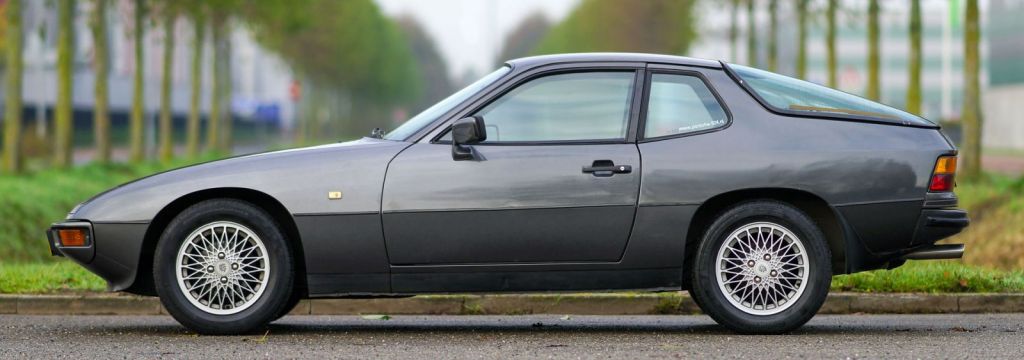
The Porsche 924 is a sports car produced by Porsche from 1976 to 1988. It was the first Porsche model to be powered by a front-mounted, water-cooled engine, and it was also the first Porsche to be designed in collaboration with Volkswagen.
The 924 features a 2.0-liter, four-cylinder engine that initially produced around 95 horsepower, although output increased over the years with various updates and improvements. It was available with a four-speed manual transmission or a three-speed automatic transmission, and it was known for its balanced handling and precise steering.
Despite its innovative design and impressive handling, the 924 was not as popular as some of Porsche’s other models, largely due to its relatively modest performance capabilities and the fact that it was not as visually striking as some of Porsche’s more iconic designs. However, the 924 remains an important part of Porsche’s history, and it was a precursor to many of the front-engine Porsche models that followed, such as the 944 and the 968.
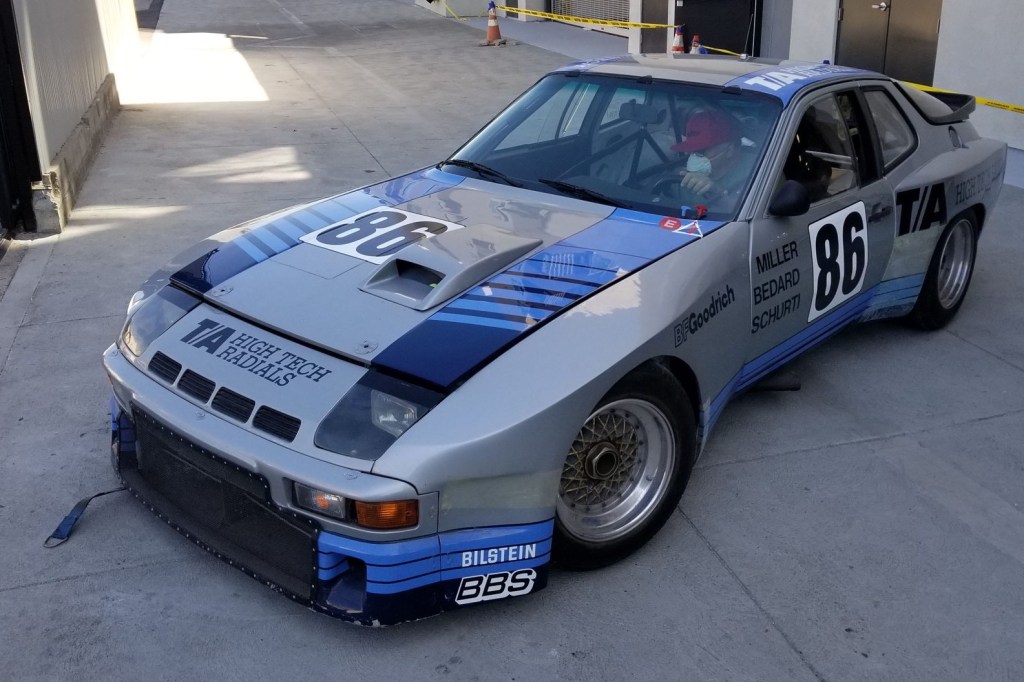
Did the 924 have any notable racing successes?
While the Porsche 924 was not particularly successful in professional motorsports, it did have some notable achievements in racing during its production years.
In 1978, the Porsche 924 Carrera GT, a specially modified version of the car, won the prestigious 24 Hours of Le Mans in the GTP class. The car was driven by Jurgen Barth and Roland Ratzenberger, and it was the first time that a Porsche with a water-cooled engine had won at Le Mans.
The 924 was also used in various other racing series, including the World Rally Championship, where it competed in the Group 4 category. The 924 GTS and 924 Turbo models were particularly successful in rallying, with notable wins in events such as the Acropolis Rally and the Monte Carlo Rally.
Overall, while the Porsche 924 was not as successful in racing as some of Porsche’s other models, it still had some notable achievements and helped to pave the way for future front-engine Porsche models that would go on to dominate the world of sports car racing.
Everything You Need to Know About the Porsche 911
How did the 924 pave the way for future Porsche models?
The Porsche 924 played an important role in Porsche’s history by introducing several innovations that would later be used in future Porsche models. Here are some of the ways in which the 924 paved the way for future Porsche models:
- Front-engine layout: The 924 was the first Porsche model to feature a front-engine layout, which was a departure from Porsche’s traditional rear-engine design. This layout was later used in several other Porsche models, including the 944, 968, and the Boxster.
- Water-cooled engine: The 924 was also the first Porsche to feature a water-cooled engine, which was a departure from Porsche’s traditional air-cooled engines. This technology was later used in several other Porsche models, including the 928 and the 911 Carrera.
- Transaxle transmission: The 924 was one of the first Porsche models to feature a transaxle transmission, which is a transmission integrated with the rear axle. This design helped to improve weight distribution and handling, and it was later used in several other Porsche models, including the 944 and the 968.
Porsche 924 was an important milestone in Porsche’s history, and it helped to pave the way for future Porsche models that would continue to push the limits of performance and innovation.
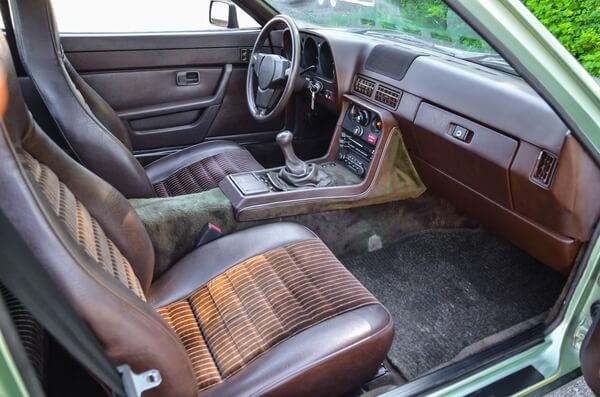
Porsche 924 interior
The Porsche 924 interior was designed with a focus on driver comfort and ergonomics. The dashboard and instrument panel were oriented towards the driver, with all gauges and controls within easy reach. The seats were supportive and comfortable, with adjustable lumbar support available on some models.
The interior of the Porsche 924 was relatively simple and functional, with a design that emphasized performance over luxury. The center console featured a basic stereo system, and the climate control system was manual, with simple controls for temperature and fan speed.
Some higher-end models of the Porsche 924, such as the 924 Turbo and the 924 Carrera GT, featured more luxurious interiors with additional features such as leather upholstery, power windows, and air conditioning.
The interior of the Porsche 924 was designed to provide a comfortable and functional driving experience, with a focus on performance and driver engagement. While it was not as luxurious as some of Porsche’s other models, it was still a well-designed and practical interior that suited the car’s sporty character.
Did the Porsche 924 have any notable safety features?
The Porsche 924 was designed with a number of safety features that were advanced for its time. Here are some of the notable safety features that were available on the Porsche 924:
- Anti-lock brakes (ABS): The Porsche 924 was one of the first sports cars to be equipped with anti-lock brakes, which helped to improve stopping performance and reduce the risk of skidding and loss of control.
- Collapsible steering column: The steering column on the Porsche 924 was designed to collapse in the event of a collision, which helped to reduce the risk of serious injury to the driver.
- Impact-absorbing bumpers: The Porsche 924 was equipped with impact-absorbing bumpers that were designed to absorb energy in the event of a collision, which helped to reduce the risk of injury to the occupants.
- Reinforced body structure: The body of the Porsche 924 was designed with reinforced areas that were intended to provide additional protection in the event of a collision.
Porsche 924 was a well-designed and relatively safe sports car for its time, with a number of advanced safety features that helped to reduce the risk of injury in the event of an accident. While it may not have had all of the advanced safety features that are available on modern cars, it was still a relatively safe and well-engineered vehicle.
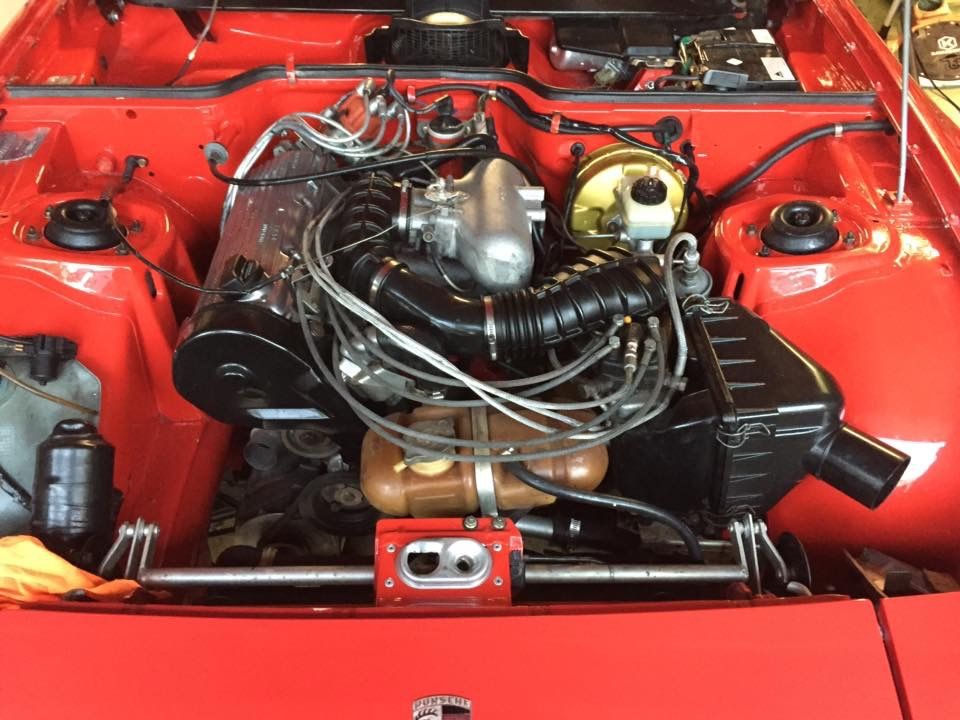
Porsche 924 engine
The Porsche 924 was initially introduced with a 2.0-liter, four-cylinder engine that produced around 95 horsepower. This engine was later upgraded with various improvements and modifications that increased its output up to around 125 horsepower in some models. The engine featured a single overhead camshaft and was equipped with fuel injection, which was a relatively new technology at the time.
In 1979, Porsche introduced a turbocharged version of the 924, which was called the 924 Turbo. This model featured a turbocharged version of the 2.0-liter engine that produced around 170 horsepower, which was a significant increase in power over the base engine. The 924 Turbo was also equipped with a five-speed manual transmission, which helped to improve performance and acceleration.
In addition to the base engine and the turbocharged engine, the Porsche 924 was also available with a diesel engine in some markets. This engine was a 2.0-liter diesel unit that produced around 70 horsepower, and it was primarily intended for buyers who were looking for a more fuel-efficient option.
The Porsche 924 engine was relatively advanced for its time, with fuel injection and other advanced technologies that helped to improve performance and fuel economy. While it may not have been as powerful as some of Porsche’s other models, it was still a well-engineered and capable engine that suited the car’s sporty character.
we really hope everyone likes our content.

Follow us on instagram
 Car Community
Leave a comment