


The Porsche 991 is a generation of the Porsche 911 sports car, which was produced by the German automaker Porsche from 2011 through 2019. The 991 was the seventh generation of the iconic Porsche 911 and was succeeded by the 992 in 2019.
The Porsche 991 was available in a variety of models, including the Carrera, Carrera S, Carrera 4, Carrera 4S, Turbo, Turbo S, GT3, and GT3 RS. The base Carrera model was powered by a 3.4-liter flat-six engine that produced 350 horsepower, while the Carrera S and Carrera 4S models had a 3.8-liter flat-six engine that produced 400 horsepower. The high-performance GT3 and GT3 RS models had a naturally aspirated 4.0-liter flat-six engine that produced up to 520 horsepower.
The 991 was also the first 911 to feature electric power steering, which replaced the traditional hydraulic power steering system. Other notable features included a rear-wheel steering system, which improved handling and stability, and a seven-speed manual transmission or a seven-speed PDK dual-clutch automatic transmission.
Overall, the Porsche 991 was a highly regarded sports car that received critical acclaim for its performance, handling, and driving dynamics. It remains a popular choice among enthusiasts and collectors today.
Everything You Need to Know About the Porsche 911
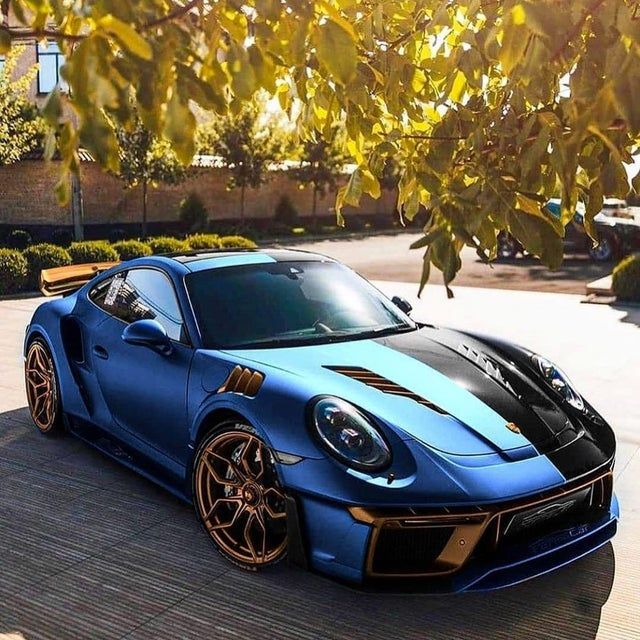
What is the price range for a used Porsche 991?
The price range for a used Porsche 991 can vary widely depending on the model, year, condition, and mileage. As a general guideline, a used Porsche 991 Carrera can range from around $60,000 to $100,000, while a Carrera S or Carrera 4S can range from around $80,000 to $120,000. The high-performance GT3 and GT3 RS models are more expensive and can range from around $130,000 to $200,000 or more.
It’s important to note that these prices are just estimates and can vary depending on a number of factors, such as the specific options and features of the car, its maintenance history, and its overall condition. Additionally, prices can fluctuate based on market demand and availability. It’s always a good idea to do thorough research and consult with a trusted dealership or private seller before making a purchase.
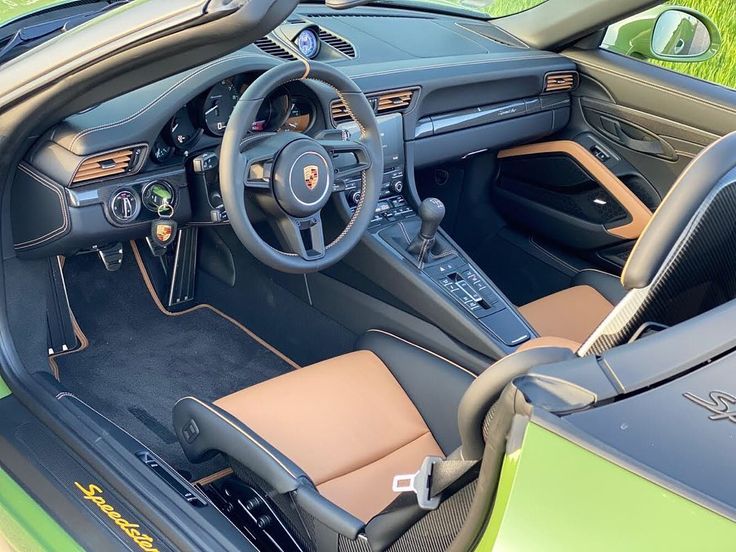
Porsche 991 interior
The interior of the Porsche 991 is generally regarded as high-quality and luxurious, with a focus on driver-oriented design and functionality. The cabin is well-appointed with premium materials and finishes, including leather upholstery, high-gloss surfaces, and aluminum accents.
The dashboard features a traditional Porsche design with a central tachometer and an array of gauges and controls. The center console is angled towards the driver, which makes it easier to access and use the various infotainment and climate control systems. The Porsche Communication Management (PCM) system is also present, which includes a touchscreen display, satellite navigation, and a premium audio system.
The seats are highly adjustable and offer excellent support and comfort, with a range of options available depending on the specific model and trim level. The rear seats, however, are quite small and are best suited for children or for additional storage space.
The interior of the Porsche 991 is well-designed and offers a comfortable and functional driving experience. It strikes a balance between luxury and performance, which is a hallmark of the Porsche brand.
What are some of the safety features included in the Porsche 991?
The Porsche 991 was equipped with a range of safety features designed to help prevent accidents and protect occupants in the event of a collision. Some of these features include:
- Anti-lock braking system (ABS): This system helps prevent the wheels from locking up during hard braking, which can help the driver maintain control of the vehicle.
- Electronic Stability Control (ESC): This system monitors the vehicle’s stability and can apply the brakes or reduce engine power to help prevent skidding or loss of control.
- Side-impact protection: The Porsche 991 features reinforced side-impact protection beams and airbags to help protect occupants in the event of a side-impact collision.
- Adaptive cruise control: This system uses radar or cameras to maintain a safe distance from the vehicle in front, and can automatically adjust the car’s speed to maintain a safe following distance.
- Lane departure warning: This system alerts the driver if the car starts to drift out of its lane without the turn signal being activated.
- Rearview camera: The Porsche 991 is equipped with a rearview camera, which helps the driver see behind the car when backing up or parking.
- Advanced airbag system: The Porsche 991 is equipped with multiple airbags, including front, side, and knee airbags for the driver and passenger.
These are just a few of the safety features that were available on the Porsche 991, and the specific features and equipment may vary depending on the model and trim level.

Porsche 991 engine
The Porsche 991 was available with a range of engines, each designed to offer excellent performance and driving dynamics. Here are some of the most notable engine options:
- 3.4-liter flat-six engine: This engine was available in the base Carrera model and produced 350 horsepower and 287 lb-ft of torque. It had a redline of 7,500 rpm and could accelerate the car from 0 to 60 mph in around 4.4 seconds.
- 3.8-liter flat-six engine: This engine was available in the Carrera S and Carrera 4S models and produced 400 horsepower and 325 lb-ft of torque. It had a redline of 7,800 rpm and could accelerate the car from 0 to 60 mph in around 3.9 seconds.
- 4.0-liter flat-six engine: This engine was available in the high-performance GT3 and GT3 RS models and produced up to 520 horsepower and 346 lb-ft of torque. It had a redline of 9,000 rpm and could accelerate the car from 0 to 60 mph in around 3.0 seconds.
- Turbocharged engines: The Porsche 991 was also available with turbocharged engines in the Turbo and Turbo S models. The Turbo had a 3.8-liter flat-six engine that produced 520 horsepower and 487 lb-ft of torque, while the Turbo S had a 3.8-liter flat-six engine that produced 560 horsepower and 516 lb-ft of torque. Both models could accelerate from 0 to 60 mph in around 2.9 seconds.
All of the engines in the Porsche 991 were paired with either a seven-speed manual transmission or a seven-speed PDK dual-clutch automatic transmission, depending on the model and trim level. Additionally, the Porsche 991 featured a range of performance-enhancing technologies, such as Porsche Active Suspension Management (PASM), Porsche Dynamic Chassis Control (PDCC), and Porsche Torque Vectoring Plus (PTV+), which helped improve handling and stability.

Follow us on instagram
 Car Community
Leave a comment