

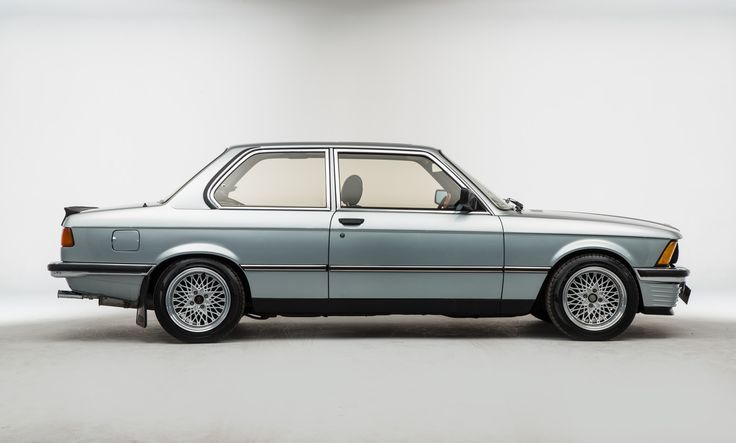
The BMW E21 is the first generation of the BMW 3 Series, a compact executive car that was produced by the German automaker BMW from 1975 to 1983. Here is a more detailed overview of the BMW E21:
Design and Styling
The BMW E21 had a wedge-shaped profile with a long hood and short deck, which emphasized its sporty and dynamic character. The car featured a distinctive kidney-shaped grille, rectangular headlights, and a clean and uncluttered design. The E21 was available as a two-door sedan and a two-door convertible.
Engine and Performance
The E21 was powered by a range of four-cylinder engines, including a 1.6-liter engine that produced 90 horsepower, a 1.8-liter engine that produced 98 horsepower, and a 2.0-liter engine that produced 110 horsepower. The engines were paired with either a four-speed manual or a three-speed automatic transmission. The E21 had a top speed of around 112 mph (180 km/h) and could accelerate from 0 to 60 mph (97 km/h) in around 10 seconds.
If you are interested you should read about the BMW Isetta
Suspension and Handling
The E21 featured a front MacPherson strut suspension and a rear semi-trailing arm suspension, which provided a balance of comfort and handling. The car also had a well-tuned chassis that provided responsive handling and a sporty driving experience.
Interior
The interior of the E21 was simple and functional, with a range of gauges and controls that were easy to read and use. The car had comfortable bucket seats up front and a bench seat in the rear, and was available with a range of options and accessories, including air conditioning, power windows, and a sunroof.
Legacy
The BMW E21 was a significant model in the history of the 3 Series, serving as the foundation for the successful line of compact executive cars that continues to be produced by BMW to this day. The E21 was known for its responsive handling, sporty driving experience, and stylish design, and it remains a popular choice among automotive enthusiasts and collectors today.
In conclusion, the BMW E21 was a significant milestone in the history of BMW and the 3 Series, and it set the standard for the sporty and dynamic driving experience that continues to be associated with the BMW brand today.
Get yourself our stylish Le Mans Racing Jacket

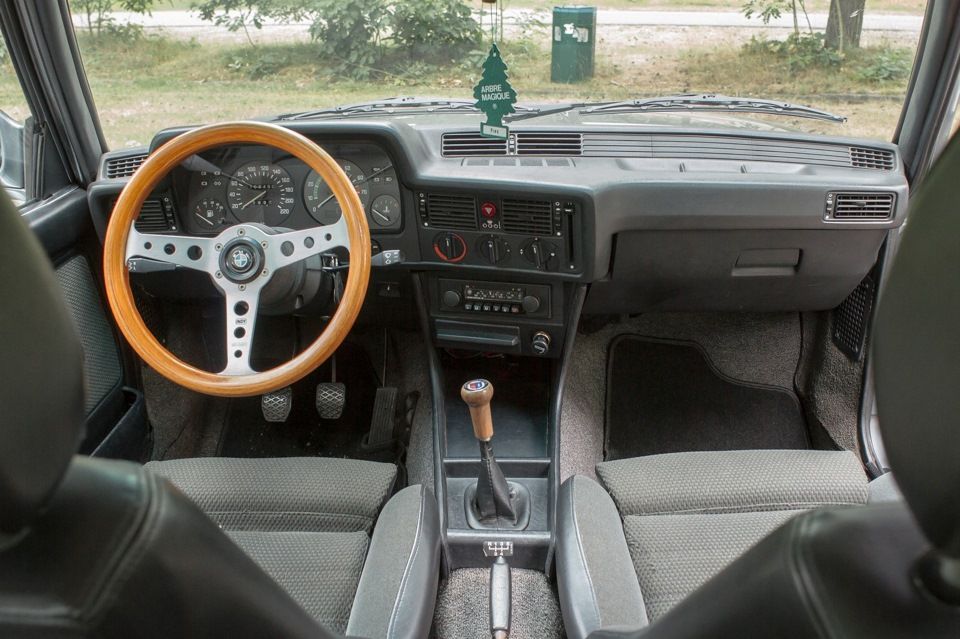
BMW E21 interior
The interior of the BMW E21 was designed to be simple and functional, with a focus on providing a comfortable and engaging driving experience. Here are some key features of the BMW E21 interior:
- Dashboard: The dashboard of the E21 was designed to be clean and uncluttered, with a range of gauges and controls that were easy to read and use. The dashboard featured a large speedometer and tachometer, as well as gauges for fuel level, engine temperature, and oil pressure.
- Seats: The E21 was available with comfortable bucket seats up front, which were designed to provide support and comfort during dynamic driving. The rear seats were a bench-style design, which was typical for two-door cars of the time.
- Steering wheel: The E21 was equipped with a sporty three-spoke steering wheel, which was designed to provide a good grip and precise control.
- Center console: The E21’s center console housed the gear shifter and a range of controls for the air conditioning and heating systems.
- Audio system: The E21 was available with a range of audio systems, including a basic AM/FM radio and a more advanced system with a cassette player.
- Materials: The interior of the E21 featured high-quality materials, including plush carpeting, vinyl upholstery, and wood trim on the dashboard and door panels.
Interior of the BMW E21 was designed to provide a comfortable and engaging driving experience, with a range of features and materials that emphasized the car’s sporty and dynamic character. While the interior may seem simple by today’s standards, it was well-suited to the needs of drivers in the 1970s and early 1980s, and helped to establish the BMW 3 Series as a leader in the compact executive car segment.
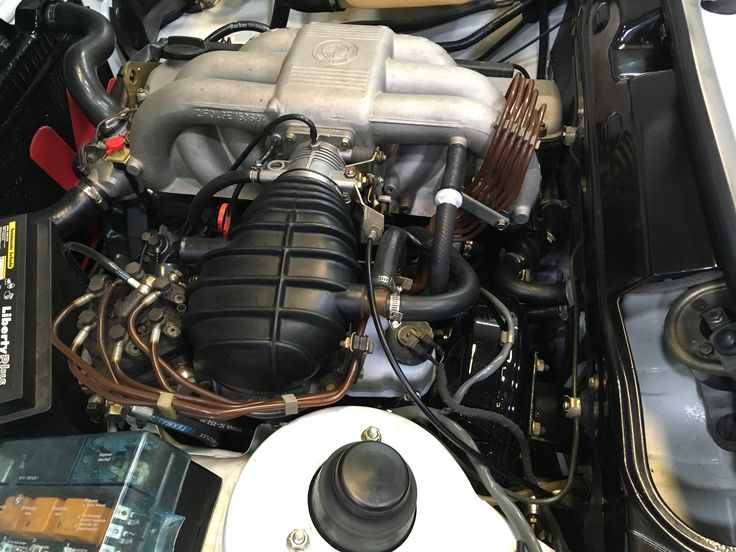
BMW E21 engine
The BMW E21 was powered by a range of four-cylinder engines, which were designed to provide a balance of performance and fuel efficiency. Here are some key features of the BMW E21 engine:
- Engine types: The E21 was available with a range of four-cylinder engines, including a 1.6-liter engine, a 1.8-liter engine, and a 2.0-liter engine.
- Power output: The power output of the E21 engines varied depending on the engine type and year of production. The 1.6-liter engine produced 90 horsepower, the 1.8-liter engine produced 98 horsepower, and the 2.0-liter engine produced 110 horsepower.
- Carburetor: The E21 engine used a carburetor to mix fuel and air before it entered the combustion chamber. This was a common method of fuel delivery in the 1970s and early 1980s.
- Transmission: The E21 engine was paired with either a four-speed manual or a three-speed automatic transmission. The manual transmission was the preferred choice for driving enthusiasts, as it provided more control over the car’s performance.
- Fuel economy: The E21 was designed to be fuel-efficient, with most models achieving around 20-25 miles per gallon (MPG) in city driving and 30-35 MPG on the highway.
- Performance: The E21 engine provided a balance of performance and fuel efficiency, with a top speed of around 112 mph (180 km/h) and an acceleration time of around 10 seconds from 0 to 60 mph (97 km/h).
Engine was a reliable and efficient powerplant that provided a balance of performance and fuel economy. While it may not have been as powerful as some of the engines used in later BMW 3 Series models, it was well-suited to the needs of drivers in the 1970s and early 1980s, and helped to establish the BMW 3 Series as a leader in the compact executive car segment.
Follow us on instagram
 Car Community
Leave a comment