


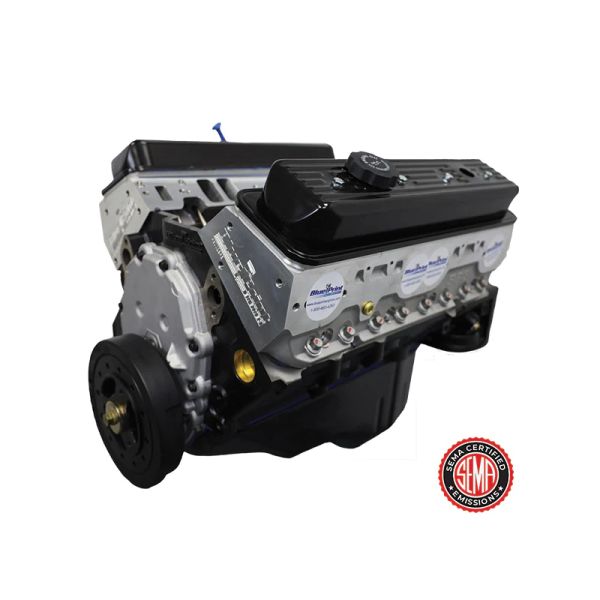
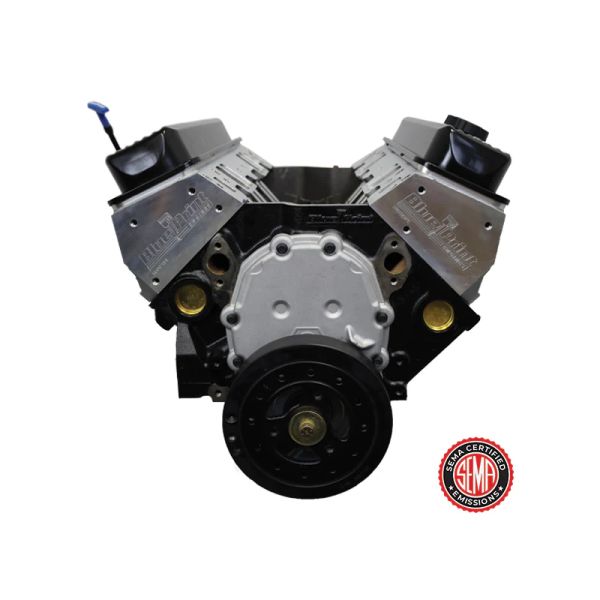
The Chevrolet 383 CI Engine is a modified small-block Chevy (SBC) 350 that has been stroked to increase displacement, resulting in greater torque and horsepower.
The “stroker” modification, which lengthens the piston stroke, makes the 383 engine ideal for high-performance applications where low- to mid-range torque is highly desirable. This engine is especially popular for classic American muscle cars, hot rods, and trucks due to its versatility and extensive aftermarket support.

Key Specifications and Modifications
1. Stroker Crankshaft
- The 383 is created by increasing the stroke of a 350 small-block engine from 3.48 inches to 3.75 inches using a specialized crankshaft. This modification increases the engine’s displacement from 350 to 383 cubic inches, enhancing torque and horsepower.
- With a longer stroke, the piston travels farther in each cycle, creating more pressure and power with each combustion, which is particularly noticeable at lower RPMs.
2. Cylinder Heads and Valves
- High-performance cylinder heads are crucial for maximizing the potential of a 383 stroker. Many builders choose aftermarket aluminum heads with larger valves and improved airflow. A head with a higher intake flow rate (measured in cfm, cubic feet per minute) can significantly improve the engine’s output.
- Popular choices include aluminum heads with a 64-72cc combustion chamber and larger intake/exhaust valves (like 2.02” intake and 1.60” exhaust) for optimal airflow.
3. Camshaft
- The camshaft profile influences the engine’s power band. For street use, a hydraulic roller cam is often chosen for smooth operation and reliability. For high-performance applications, a more aggressive cam profile can be selected, providing a broader power curve and higher RPM potential.
- Duration and lift values in the camshaft determine the engine’s idle, response, and peak power. Builders often choose a camshaft with around 0.500″ lift and 220-230° duration for street applications.
4. Fuel System
- The 383 can be configured with a carburetor or an electronic fuel injection (EFI) system. Carbureted setups (usually 650-750 CFM) are common for classic builds, while EFI systems improve fuel efficiency, throttle response, and drivability, especially in modern or restomod vehicles.
5. Exhaust System
- A well-matched exhaust system is essential for achieving maximum performance. Long-tube headers with a free-flowing exhaust are commonly used to reduce back pressure, which helps extract the extra horsepower generated by the increased displacement and modified components.
If you are interested in buying this engine you can find our deal at the bottom of this page

Typical Applications for the 383 Stroker Engine
- Muscle Cars: Vehicles like the Chevy Camaro, Chevelle, and Nova benefit from the torque-heavy profile of the 383, which enhances acceleration and low-end performance.
- Trucks: The engine is well-suited for trucks, particularly in towing or off-road applications where extra low-end torque is beneficial.
- Street and Hot Rods: The 383’s power curve makes it ideal for street machines and hot rods, as it offers a satisfying blend of power and daily drivability.
- Off-Road Vehicles: The low-end torque of the 383 helps off-road vehicles tackle rugged terrain more easily compared to engines with a shorter stroke.
Sample Performance Table for Chevrolet 383 Stroker Configurations
| Configuration | Horsepower (HP) | Torque (lb-ft) | Peak RPM | Compression Ratio |
|---|---|---|---|---|
| Mild Street Setup | ~400 HP | ~450 lb-ft | 5,500 RPM | 9.5:1 |
| Performance Street | ~450 HP | ~475 lb-ft | 6,000 RPM | 10.0:1 |
| EFI High Output | ~500 HP | ~500 lb-ft | 6,200 RPM | 10.5:1 |
| Race-Optimized | ~525 HP | ~525 lb-ft | 6,500 RPM | 11.0:1 |
| Heavy-Duty/Towing | ~375 HP | ~460 lb-ft | 5,000 RPM | 9.0:1 |
you should also read about the Ford 5.0 Cayote Engine

Benefits of the Chevrolet 383 Stroker Engine
- High Torque Output: The increased stroke creates more torque than a 350, making it excellent for vehicles needing powerful acceleration or towing capacity.
- Affordable Performance Upgrade: The 383 offers big-block-like performance without the cost, weight, and complexity of a big-block engine.
- Extensive Aftermarket Support: The 383 is highly customizable, with a wide variety of aftermarket parts available, including cranks, pistons, heads, cams, and EFI systems.
- Compatibility: It can be installed in many vehicles that already have a small-block Chevy engine, making it easy to upgrade an older car, truck, or hot rod.
Limitations and Considerations
- Higher RPM Limitations: The increased stroke length means the engine isn’t as suited for extremely high RPMs (above ~6,500) as some short-stroke engines, which is generally fine for street applications.
- Clearance Modifications: The 383 conversion requires machining for clearance inside the block to avoid contact between the crankshaft and the block.
- Cooling Requirements: Due to the higher power output, the 383 can run hotter than a stock 350, necessitating an upgraded cooling system, especially for performance builds.


 Car Community
Leave a comment