


When buying a car battery charger, there are several key factors to consider to ensure you choose the right one for your vehicle and specific needs. Here are the main things to know before purchasing:
1- Types of Chargers
Trickle Chargers: These deliver a slow, steady charge, ideal for maintaining battery health over time without overcharging. Good for long-term maintenance, but may not be suited for quickly reviving a dead battery.
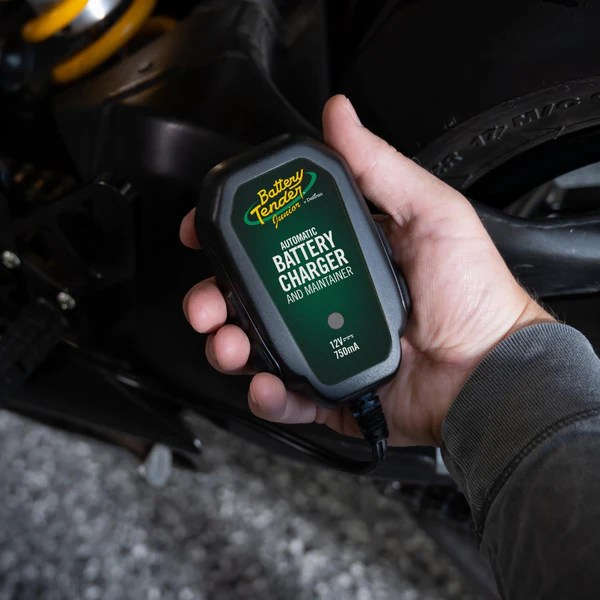
Automatic (Smart) Chargers: These chargers detect when the battery is full and automatically stop charging to prevent overcharging. They’re ideal for those who want an easy, worry-free charging solution.
Portable Jump Starters: These are small, portable chargers that can jump-start a dead battery quickly. They’re great for emergencies but not designed for long-term charging or battery maintenance.
Multi-Stage Chargers: These provide various charging stages, such as bulk, absorption, and float, for optimal battery health and are ideal for vehicles that may be stored for long periods.
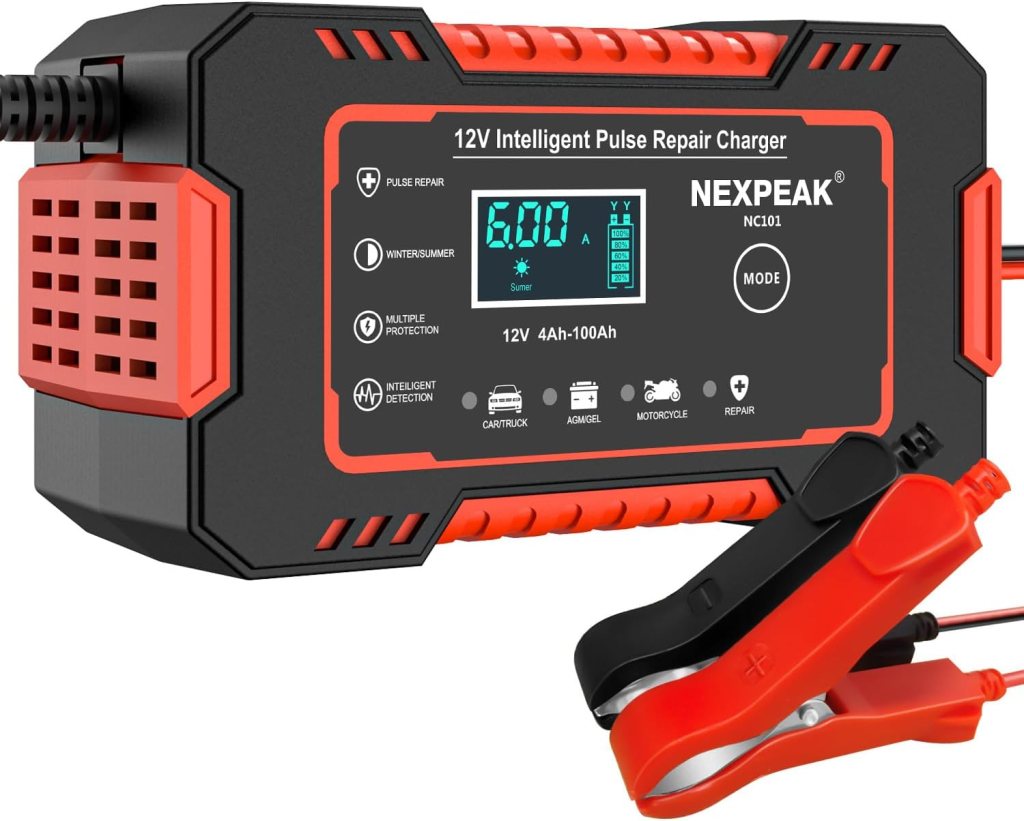
2- Battery Type Compatibility
Not all chargers are compatible with every type of battery. Check that the charger is compatible with the specific battery type in your vehicle, such as:
Lead-Acid Batteries: Common in most vehicles and compatible with most chargers.
AGM (Absorbed Glass Mat) and Gel Batteries: Often found in newer or high-performance vehicles; these may require specific chargers with lower voltage or different charging algorithms.
Lithium-Ion Batteries: Typically found in newer electric and hybrid vehicles, these require specialized lithium-compatible chargers.
3- Voltage Requirements
Most car batteries are 12V, but some vehicles, especially motorcycles, may have 6V batteries. Ensure the charger’s voltage matches your vehicle’s battery. Some chargers can switch between 6V and 12V, making them versatile for different vehicles.
4- Amp Rating (Charging Speed)
Chargers come in various amp ratings that affect the speed at which they charge:
Low-Amperage (1-2A): Ideal for slow, long-term charging or battery maintenance. This option is often found in trickle chargers. (1 A) Battery Charger
Medium-Amperage (4-10A): Good for moderate-speed charging; balances speed with battery longevity. (4 A) Battery Charger
High-Amperage (10A or more): Suitable for quick charging or reviving a dead battery in an emergency, though not ideal for regular use as it may reduce battery lifespan over time. (15 / 8 / 2 AMP) All in One Battery Charger
8 Reasons to Own a Battery Charger and Maintainer

5- Safety Features
To ensure safe and hassle-free charging, look for chargers with safety features such as:
Reverse Polarity Protection: Prevents damage if the charger is connected to the battery terminals incorrectly.
Overcharge Protection: Ensures the charger stops charging once the battery is full.
Short-Circuit Protection: Prevents damage in case of a short circuit.
Thermal Protection: Automatically shuts off the charger if it overheats.
6- Size and Portability
Consider the size and portability if you need a charger you can carry with you. Portable chargers are convenient for emergency use on the go, while larger, higher-capacity chargers are better for garage use.
7- Ease of Use
Chargers with user-friendly interfaces and clear indicators make charging straightforward, especially for beginners. Look for chargers with:
LCD or LED Displays: These provide information about charging status and battery health.
Automatic Functionality: Reduces the need for manual adjustments and makes it easy to use.
8- Climate Considerations
If you live in an area with extreme weather, choose a charger suitable for cold temperatures. Some chargers have a cold mode that allows them to charge effectively even in low temperatures.
Summary Checklist Before purchasing a car battery charger, make sure to:
Choose the right type based on your needs.
Verify compatibility with your battery type.
Select the correct voltage (6V, 12V, etc.).
Choose an amp rating that matches your charging speed requirements.
Check for safety features and ease of use.
Consider size, portability, and any additional useful features.
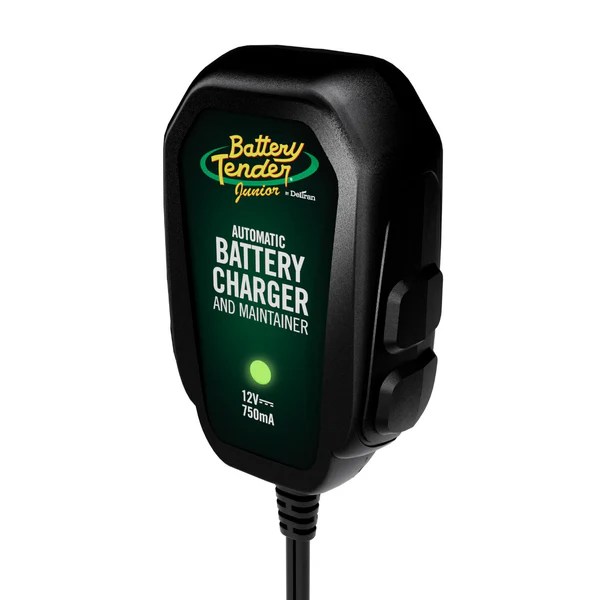
Our Recommendation with over 46,964 Positive Reviews


FAQs
1. What type of car battery charger do I need?
- This depends on your needs. If you’re looking to maintain your battery over time, a trickle charger is a good option. For an all-in-one, safe solution, go with an automatic (smart) charger that stops charging when the battery is full. If you need emergency power, consider a portable jump starter.
2. Are all car battery chargers compatible with any type of battery?
- No, chargers are often designed for specific battery types. Common car batteries include lead-acid, AGM (Absorbed Glass Mat), gel, and lithium-ion. Make sure to check your charger’s compatibility with your specific battery type.
3. Can I leave my battery charger connected to the battery?
- Some chargers, particularly automatic chargers with float or maintenance modes, are designed to be left connected to maintain battery charge over time. Check if your charger has an automatic shut-off feature or maintenance mode.
4. How long does it take to charge a car battery?
- Charging time depends on the battery’s capacity and the charger’s amp rating. Low-amperage chargers (1-2A) may take up to 24 hours, while high-amperage chargers (10A or more) can complete charging in 1-2 hours.
5. Can I use a car battery charger on a dead battery?
- Yes, most chargers can charge a dead or low battery, but make sure the charger has the appropriate amperage. A high-amperage charger (10A+) is ideal for faster charging of a dead battery. Some smart chargers even have a recovery mode for deeply discharged batteries.
6. What safety features should I look for in a car battery charger?
- Important safety features include reverse polarity protection, overcharge protection, short-circuit protection, and thermal protection to prevent overheating.
7. What is the difference between a trickle charger and a smart charger?
- A trickle charger provides a slow, continuous charge, perfect for battery maintenance. A smart charger automatically stops charging when the battery is full, making it safer and more convenient.
8. Can I use a car battery charger in cold weather?
- Yes, but some chargers are better suited for cold conditions. Look for chargers with a cold-weather mode or those that specifically mention effective charging in low temperatures.
9. Does using a battery charger affect the battery’s lifespan?
- Using a quality charger with the right amp rating can actually extend the life of your battery by keeping it properly charged. Overcharging or using a high-amperage charger too frequently may reduce battery lifespan, so consider chargers with automatic shut-off or maintenance modes.
10. What’s the best amp rating for a car battery charger?
- A low amperage (1-2A) is best for slow charging and maintenance, while medium amperage (4-10A) offers a balance of charging speed and battery health. For emergencies or rapid charging, a high amperage (10A or more) is recommended, though it should not be used for everyday charging.
 Car Community
Leave a comment