

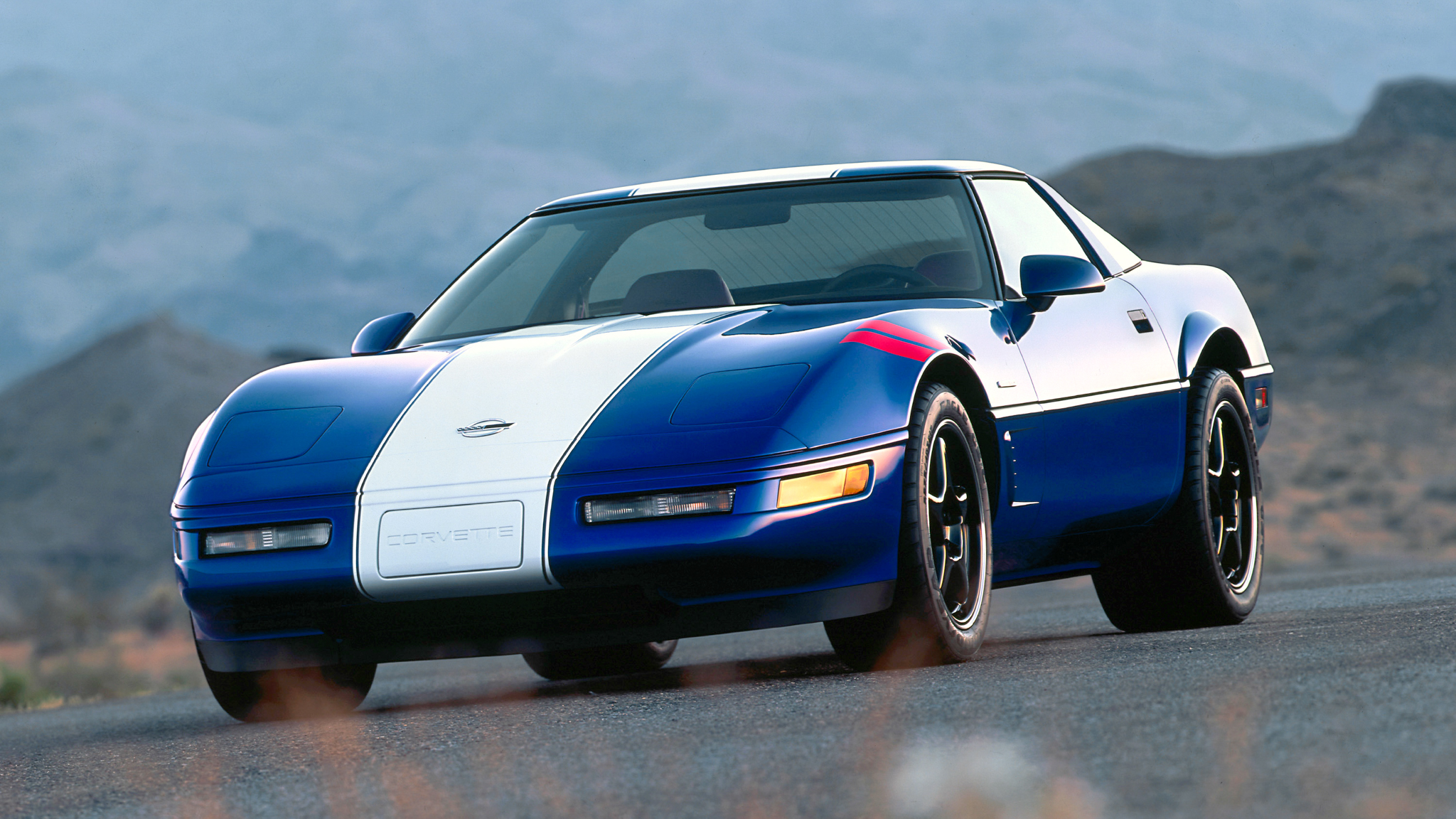
Your C4 Corvette deserves more than just any tires, it needs ones that match its iconic performance and style. The right tires don’t just enhance your car’s handling and grip; they amplify every corner, straightaway, and braking moment, giving you the thrill and precision you expect from a Corvette.
In this article, we’ll guide you through the top-rated tires for your C4 Corvette, ensuring you find the perfect match for your driving style whether you’re tearing up the track or cruising the streets in style. Ready to take your driving experience to the next level? You are in the right place for that.
Toyo Proxes RA1

Toyo Proxes RA1 is a street-legal racing tire designed for drivers who want consistent performance, long-lasting durability, and fast lap times all without breaking the bank. Tailored for the racetrack and autocross circuits, the Proxes RA1 strikes a balance between affordability and competition-grade capability.
Although it meets DOT requirements, this tire isn’t meant for regular highway driving. In wet conditions, particularly when shaved or worn, the Proxes RA1 can be prone to hydroplaning in standing water, so cautious, reduced-speed driving is advised. Additionally, these tires aren’t suitable for cold weather, snow, or icy conditions and should be stored indoors at temperatures above 15°F to maintain their integrity.
Built with a soft yet resilient R-Compound, the Proxes RA1 holds up well to repeated heat cycles. Its symmetrical tread design combines wet-weather capability when new with a focus on dry performance as it wears. Starting with 8/32” tread depth, the design prioritizes wet grip. However, as the tire is shaved down, its contact with the track increases, enhancing dry traction. At 6/32”, dry performance begins to shine, and by 3/32”, only the central grooves remain, offering maximum grip for dry conditions.
Underneath it all, the Proxes RA1 features an advanced radial construction optimized for hard cornering and quick acceleration, making it a favorite for those who demand reliability and precision on the track. If you’re after a tire that delivers confidence lap after lap, the Proxes RA1 is worth a serious look.
“27 Survey Ratings  “
“
Toyo Proxes R888R

Building on the success of the Proxes R888, the Toyo Proxes R888R is a top-tier tire designed for drivers who live for track days, road racing, and high-performance driving events. Engineered for serious enthusiasts, this Racetrack & Autocross Only tire delivers exceptional grip, precision handling, and enhanced durability.
However, like other track-focused tires, the Proxes R888R isn’t built for all conditions. It’s not suited for near-freezing temperatures, snow, or ice, and it must be stored indoors in temperatures above 15°F to maintain performance.
The Proxes R888R is designed with an R-compound tread that heats up quickly, ensuring maximum grip and cornering power. Its aggressive asymmetric tread pattern, coupled with large outboard shoulder blocks, provides incredible lateral traction. Compared to its predecessor, the R888R offers a more advanced contact patch, delivering better braking, acceleration, and cornering on dry surfaces.
While the Proxes R888R meets DOT standards, it’s not ideal for wet conditions, particularly when shaved or worn. The risk of hydroplaning increases in standing water, so drivers should exercise caution and reduce speed when encountering such situations.
The internal structure of the R888R is just as impressive as its tread. Depending on the size, it features a two- or three-ply Rayon casing supported by two high-tensile steel belts. A spirally-wound nylon reinforcement ply adds high-speed stability and durability, making it a reliable choice for demanding track environments.
To get the most out of the Proxes R888R, Toyo recommends these setup guidelines:
- Operating Temperature: 160°-220°F
- Hot Inflation Pressures: 32-38 PSI
- Camber: -1° to -3°
- Caster: As much positive as possible
If you’re looking for a track tire that takes your driving performance to the next level, the Toyo Proxes R888R delivers the grip, speed, and reliability you need to dominate the circuit.
“238 Survey Ratings  “
“
Hoosier R7
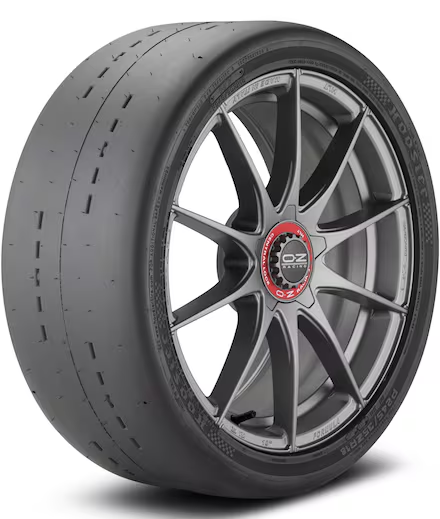
Hoosier Sports Car DOT Radial R7 tire is designed for serious drivers who demand peak performance during road racing and autocross events. Engineered to deliver exceptional grip and responsiveness in hot, dry conditions, the R7 rewards racers with fast, consistent lap times and improved durability, making it a reliable choice for those looking to push their vehicles to the limit.
Key Features of the Hoosier Radial R7
- Optimized Tread Design
The R7 features a slick tread with minimal interruptions—just five circumferential grooves—to maximize traction and handling. Starting with a tread depth of 4/32″, these tires don’t require shaving for competition but do benefit from a light scuffing to prepare for their first runs. - Advanced Internal Construction
Built with a symmetric design, the R7 uses two lightweight steel belts reinforced by a spirally-wrapped nylon cap ply for added stability. The dual nylon cord casing plies and symmetric tread structure allow the tire to be mounted on either side of the car, extending its lifespan when rotated inside-out after wear. - High-Performance Materials
The R7’s construction ensures consistent performance lap after lap. However, as with any high-performance tire, proper mounting is crucial. Ensure these tires are fitted on appropriate-width wheels for accurate sizing and to avoid clearance issues with suspension components or body panels. - Durability and Versatility
Unlike its predecessor, the R7’s section width, tread width, and shoulder profile may differ, so test-fitting a mounted, inflated tire is recommended for aggressive fitments with tight tolerances.
Important Considerations
- Not for Highway Use:
While DOT-marked, Hoosier Racing Tires are strictly for track use. Driving them on public roads can lead to loss of traction, sudden tire failure, and potential accidents. - Temperature and Storage:
The R7 tires are not designed for near-freezing temperatures, snow, or ice. For optimal performance and longevity, store them indoors in temperatures above 32°F. - Alternate Option:
For lightweight vehicles or cool weather racing, the Radial A7 may be a better choice as it performs well in conditions where the R7 struggles to reach operating temperatures.
Perfect for Track Enthusiasts
With its race-ready features and ability to deliver consistent performance, the Hoosier Sports Car DOT Radial R7 is a top choice for competitive drivers. Whether you’re chasing podium finishes or perfecting your skills, this tire offers the grip, stability, and durability needed to dominate on the track.
FAQs
Are Hoosier R7 tires street-legal?
No. While they meet DOT marking requirements, they are not intended for highway use.
Can I use these tires in the rain?
The R7 is designed for dry conditions. In wet or damp environments, performance may be compromised, especially if the tire is worn or shaved.
What makes the R7 different from the A7?
The R7 excels in hot, dry conditions, while the A7 performs better in cooler temperatures or with lightweight cars.
“58 Survey Ratings”
Michelin Pilot Sport
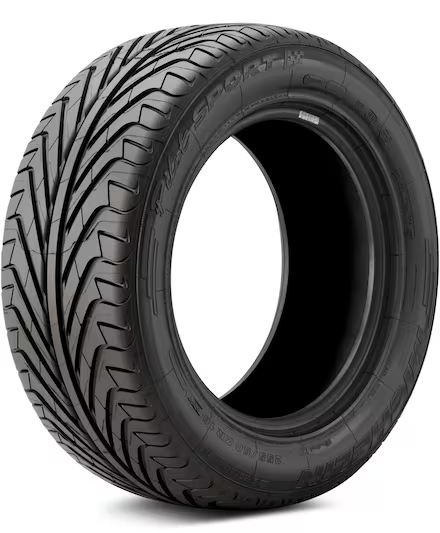
Michelin’s Pilot Sport Classic is the ultimate Ultra-High-Performance Summer tire designed specifically for classic sports cars. Originally built to match the legendary Ferrari Testarossa, this tire combines period-correct aesthetics with cutting-edge technology to preserve the driving character of classic automobiles while delivering modern-day performance.
Key Features of the Michelin Pilot Sport Classic
- Modern Engineering Meets Classic Style
Crafted to maintain the original feel of vintage sports cars, the Pilot Sport pairs a classic tread pattern with today’s advanced compounding techniques. This ensures an authentic driving experience with improved safety, performance, and reliability for warm, dry, and wet conditions. - High-Performance Tread Design
The low-void, directional tread pattern maximizes road contact for superior traction. A continuous center rib provides exceptional stability and responsiveness, while large shoulder blocks ensure outstanding lateral grip for confident cornering. Circumferential grooves and directional channels efficiently evacuate water, enhancing hydroplaning resistance on wet roads. - Enhanced Internal Construction
Built for performance and durability, the Pilot Sport features a dual-ply rayon body casing, reinforced by two lightweight steel belts and a polyamide cap ply. This design delivers precise steering response, resists distortion during high-speed driving, and ensures a smooth, comfortable ride. - Cold Weather Care
While the Pilot Sport excels in summer conditions, it requires special care in colder climates. Tires exposed to temperatures below 20°F (-7°C) must be gradually warmed to at least 40°F (5°C) over 24 hours before being flexed or used. Flexing the specialized rubber compounds in temperatures below 45°F (7°C) can lead to cracking, which is not covered under Michelin’s warranty as it results from improper use or storage.
Perfect for Classic Car Owners
Whether you own a Ferrari Testarossa or another classic sports car, the Michelin Pilot Sport Classic offers a seamless blend of vintage aesthetics and modern performance. Its ability to deliver thrilling acceleration, reliable wet traction, and precise handling ensures your classic car feels just as exhilarating today as it did decades ago.
FAQs
Can I use the Michelin Pilot Sport Classic in cold weather?
No. This tire is designed strictly for warm weather. Exposure to temperatures below 45°F (7°C) can cause cracking due to its specialized rubber compounds.
Is this tire suitable for daily driving?
While optimized for performance, the Pilot Sport Classic is ideal for enthusiasts seeking period-correct tires that perform well during spirited drives in summer conditions.
Why is this tire unique for classic cars?
Michelin manufactures the Pilot Sport Classic in small batches to ensure period-accurate design and driving characteristics, offering a tailored experience for vintage sports cars.
For classic car owners who refuse to compromise on style, performance, or authenticity, the Michelin Pilot Sport Classic is the tire that keeps the spirit of your vehicle alive on the road.
“828 Survey Ratings”
Toyo Proxes TQ

The Toyo Proxes TQ is a high-performance drag racing radial tire designed for drivers who demand top-tier traction on the strip while retaining the ability to drive to and from the track. Built with the perfect balance of performance and streetability, the Proxes TQ offers drag racers an edge in launch grip and stability while maintaining a sleek, aggressive look.
Key Features of the Proxes TQ
- Exceptional Grip for Drag Racing
The Proxes TQ uses a specialized drag radial tread compound optimized for dry-weather traction. Its asymmetric tread design features two distinct areas:- A semi-slick inboard section enhances launch grip and provides consistent traction for vehicles with both independent rear suspensions and solid axle setups.
- An outboard section with variable pitch tread reduces road noise for a smoother street driving experience.
- Drag-Race-Optimized Construction
The internal structure of the Proxes TQ is designed to maximize launch performance and stability:- Drag-Race Radial Casing maintains a consistent contact patch during acceleration for optimal traction.
- Twin high-tensile steel belts reinforced with jointless cap and edge plies help stabilize the tire footprint for precise launches and reduced distortion.
- Jointless beads and a high-modulus bead compound provide secure wheel fitment and sidewall stability.
- Street and Track Versatility
While the Proxes TQ meets DOT requirements, it’s crucial to note that it performs best in dry conditions. It’s not designed for use in heavy rain, standing water, near-freezing temperatures, snow, or ice. Drivers should exercise caution and reduce speeds when driving on wet roads, especially with worn tires. - Tire Care and Performance Tips
- Tire Pressure: Start with a cold inflation pressure of 17 PSI and adjust in 1 PSI increments as needed. Avoid going below 15 PSI. Higher pressures improve reaction time and rolling resistance while enhancing stability.
- Burnout Recommendations: Stick to your usual burnout procedure if you have prior experience with drag radials. For your first run or colder conditions, use a slightly longer burnout to heat the tires properly. Avoid excessively long burnouts, as they may reduce tire life by overheating the compound.
- Post-Track Use: Always re-inflate the tires to the recommended street pressure before leaving the track to ensure safe driving on public roads.
Important Considerations
- Durability: The Proxes TQ features reduced tread depth and a unique rubber compound to maximize dry traction, but it wears out faster than regular passenger tires. Monitor tread depth regularly, and never drive on tires worn down to 2/32” or less.
- Storage: These tires should be stored indoors in temperatures above freezing (32°F/0°C) to maintain their structural integrity and performance.
Why Choose the Toyo Proxes TQ?
The Toyo Proxes TQ is perfect for drag racing enthusiasts who want a high-performing tire that’s also street-friendly. With its ability to deliver quick launches, precise traction, and an aggressive appearance, it’s the ideal choice for those who live for the thrill of the strip.
FAQs
Can the Proxes TQ handle wet conditions?
While it meets DOT standards, the Proxes TQ is not recommended for wet conditions with standing water. Drive cautiously at reduced speeds if you encounter wet roads.
Is this tire suitable for cold weather?
No. The Proxes TQ is designed for warm, dry conditions. It should not be used or stored in near-freezing or freezing temperatures.
How do I maximize tire life?
Follow proper inflation and burnout guidelines, monitor tread depth, and avoid using the tire in conditions it’s not designed for, such as wet roads or cold temperatures.
“20 Survey Ratings”
Leave a Reply