

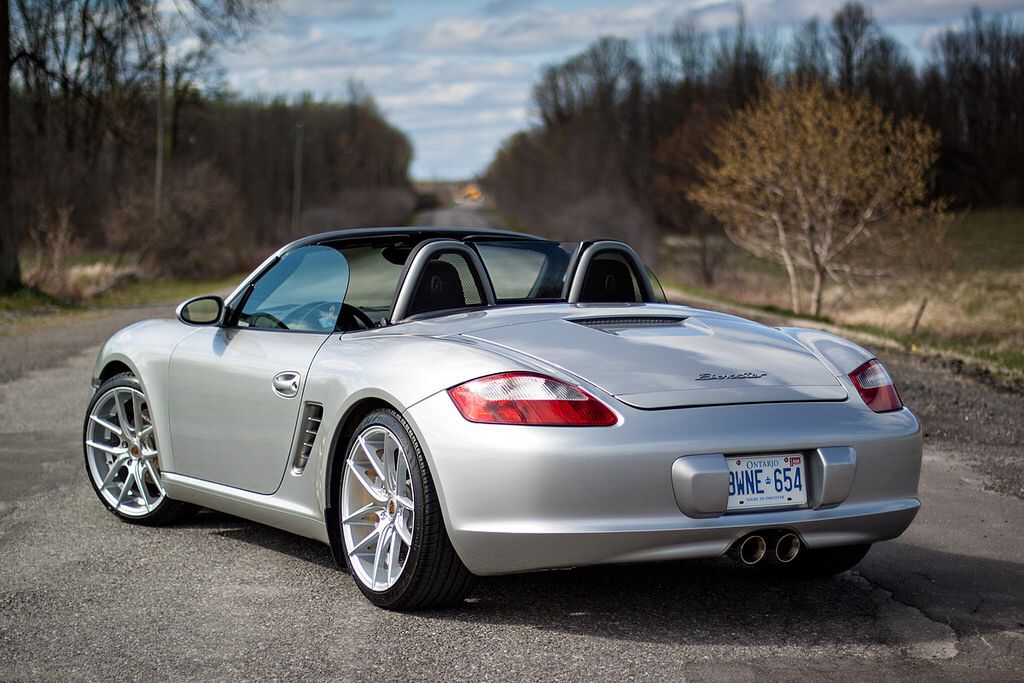
The Porsche 987 is a model designation for the second-generation Porsche Boxster and Cayman sports cars. The 987 was introduced in 2004 as a replacement for the first-generation Boxster (986) and was produced until 2012, when it was replaced by the third-generation Boxster and Cayman (981).
The 987 was well-received by critics and enthusiasts, who appreciated its refined handling, powerful engines, and sleek design. Some notable features of the 987 include:
- Mid-engine layout: Like its predecessor, the 987 has a mid-engine layout, which helps to optimize weight distribution and improve handling.
- Flat-six engines: The 987 was available with a range of flat-six engines, including a 2.7-liter engine in the base model and a 3.4-liter engine in the high-performance S and R models.
- PDK transmission: In 2009, Porsche introduced its PDK (Porsche Doppelkupplung) dual-clutch transmission as an option on the 987, which provides fast and smooth gear changes.
- Sport Chrono Package: The Sport Chrono Package was available as an option on the 987, which included a stopwatch, a lap timer, and a sport mode that adjusted the car’s performance characteristics.
- Design updates: The 987 featured a number of design updates over the 986, including a more aggressive front end, a redesigned interior, and new wheel designs.
Porsche 987 is widely regarded as a high-quality sports car that offers excellent performance and handling. Its combination of powerful engines, refined handling, and sleek design make it a popular choice among enthusiasts and drivers who value performance and style.
Everything You Need to Know About the Porsche 911
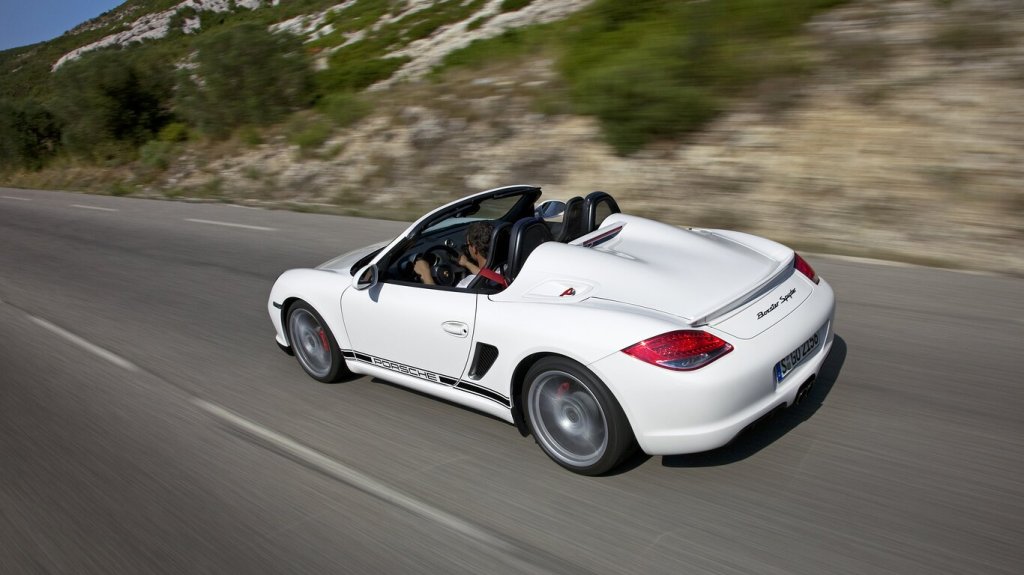
What are some common issues with the 987?
Like any car, the Porsche 987 can experience issues over time. Some common issues reported by owners and mechanics include:
- IMS Bearing Failure: This is probably the most well-known issue with the 987 and other Porsche models that use the M96/M97 engine. The IMS (Intermediate Shaft) bearing can fail, which can cause significant engine damage. Porsche addressed this issue in later models by switching to a different engine design.
- Coolant Leaks: Some 987 owners have reported coolant leaks, which can be caused by a variety of factors such as a damaged radiator, water pump, or coolant hose.
- Clutch Problems: Some owners have reported issues with their clutch, including premature wear and slipping. This can be caused by a number of factors, such as a worn clutch plate or a malfunctioning clutch master cylinder.
- Suspension Issues: Some 987 owners have reported issues with their suspension, including worn bushings or shocks. This can cause a variety of symptoms, such as a rough ride or uneven tire wear.
- Electrical Problems: Like many modern cars, the 987 is equipped with a variety of electronic systems that can sometimes experience issues. Some owners have reported issues with their electrical systems, such as a malfunctioning instrument cluster or faulty sensors.
It’s worth noting that not all 987s will experience these issues, and many owners have reported trouble-free ownership experiences. However, it’s important to keep these potential issues in mind and to have any problems diagnosed and repaired by a qualified mechanic.
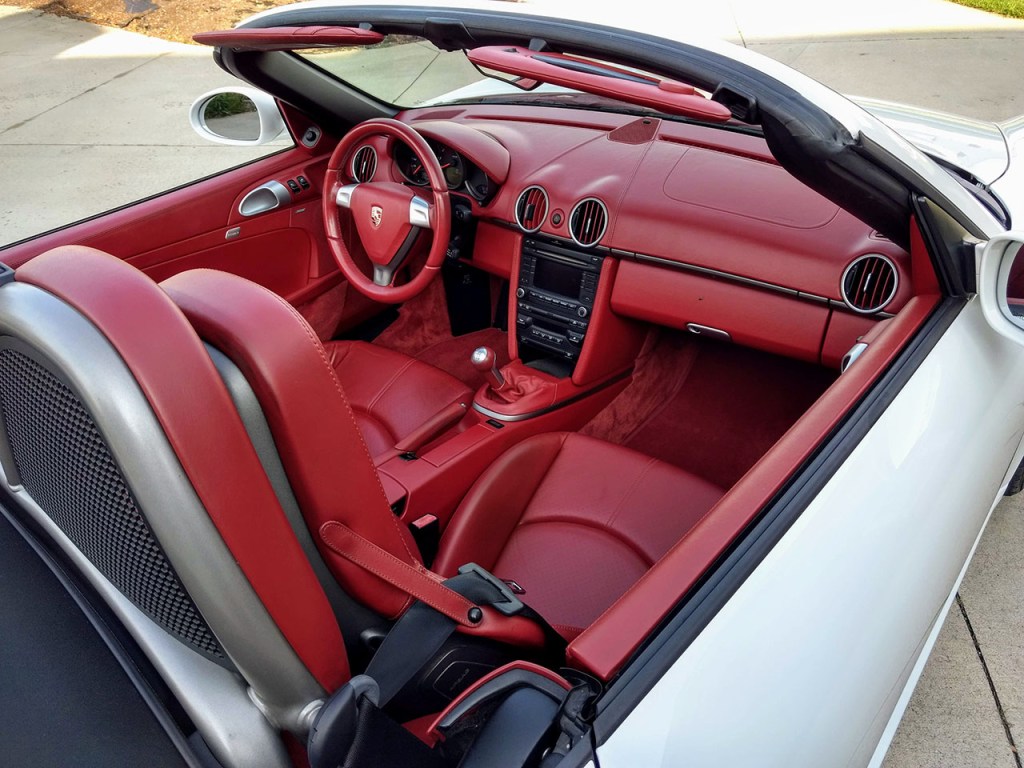
Porsche 987 interior
The Porsche 987 features a well-appointed interior with a variety of high-quality materials and modern amenities. Some notable features of the 987’s interior include:
- Sport seats: The 987 is equipped with sport seats that offer excellent support and comfort, even during spirited driving.
- Leather upholstery: The seats, door panels, and dashboard are all upholstered in high-quality leather, which gives the interior a luxurious feel.
- Aluminum trim: The 987 features aluminum accents throughout the interior, including on the doors, dashboard, and center console.
- Navigation system: Many 987 models are equipped with a navigation system, which includes a touchscreen display and real-time traffic updates.
- Bose sound system: The 987 can be equipped with a premium Bose sound system, which includes a subwoofer and multiple speakers throughout the cabin.
- Climate control: The 987 features a dual-zone automatic climate control system, which allows the driver and front passenger to set individual temperature preferences.
- Storage: The 987 includes a number of storage compartments throughout the interior, including a glove compartment, center console storage, and door pockets.
What are the safety features of the Porsche 987?
The Porsche 987 is equipped with a range of safety features to help protect the driver and passengers in the event of an accident. Some notable safety features of the 987 include:
- Anti-lock brakes (ABS): The 987 is equipped with four-wheel anti-lock brakes, which help to prevent the wheels from locking up during hard braking.
- Stability control: The 987 features Porsche Stability Management (PSM), which helps to prevent loss of control by selectively applying the brakes to individual wheels and adjusting engine power.
- Airbags: The 987 is equipped with multiple airbags, including front airbags for the driver and passenger, as well as side airbags.
- Rollover protection: The 987 features integrated rollover protection, which includes reinforced A-pillars, a reinforced windshield frame, and a rollover bar behind the seats.
- Tire pressure monitoring: The 987 includes a tire pressure monitoring system, which alerts the driver if the tire pressure is too low.
- Bi-xenon headlights: The 987 is equipped with bi-xenon headlights, which provide excellent visibility in low-light conditions.
- Brake assist: The 987 features brake assist, which can apply maximum brake pressure in emergency situations to help reduce stopping distance.
The Porsche 987 is well-equipped with a range of safety features that help to protect the driver and passengers in the event of an accident. Its advanced stability control, reinforced rollover protection, and tire pressure monitoring system are all designed to provide a safe and secure driving experience.
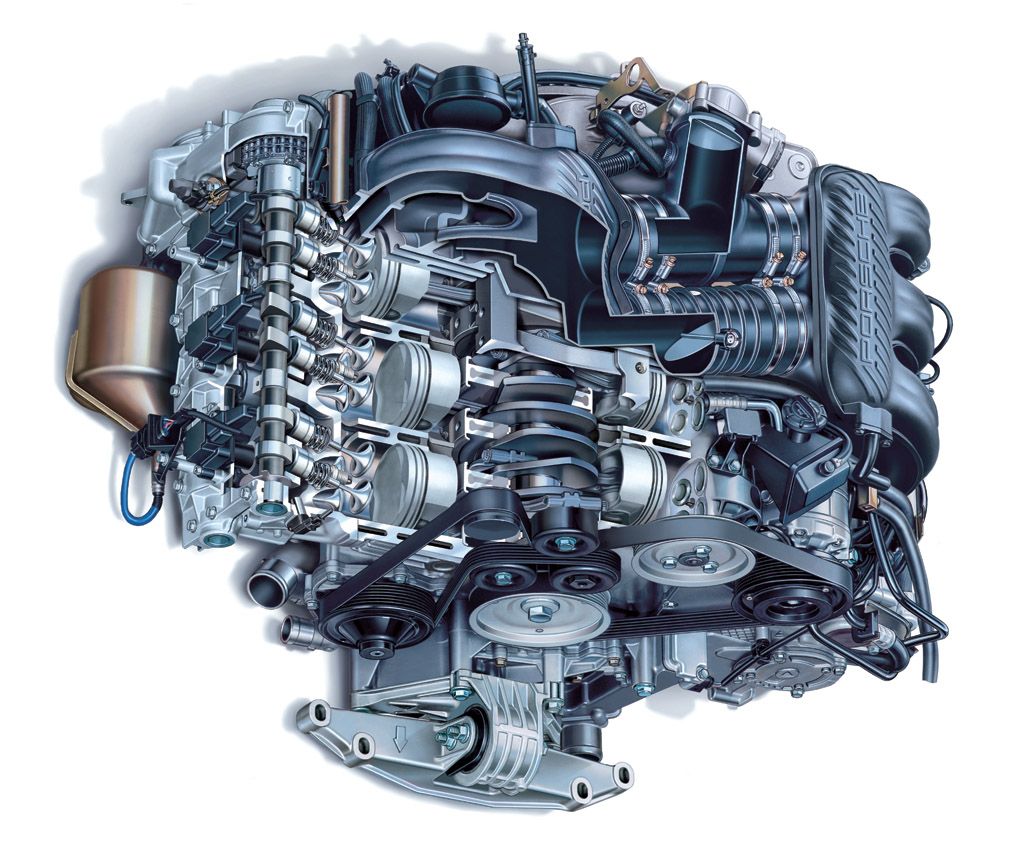
Porsche 987 engine
The Porsche 987 was available with a range of engines, all of which are horizontally opposed, or “flat” engines. Some notable engines offered in the 987 include:
- 2.7-liter flat-six: The base model of the 987 is powered by a 2.7-liter flat-six engine that produces 245 horsepower and 201 lb-ft of torque. This engine is mated to a six-speed manual transmission.
- 3.4-liter flat-six: The high-performance S and R models of the 987 are powered by a 3.4-liter flat-six engine that produces 295 horsepower and 251 lb-ft of torque. This engine is mated to a six-speed manual transmission, although a seven-speed PDK dual-clutch transmission is available as an option.
- 3.4-liter flat-six with direct injection: In 2009, Porsche introduced a direct injection version of the 3.4-liter flat-six engine, which produces 310 horsepower and 265 lb-ft of torque.
- 3.8-liter flat-six: In 2009, Porsche introduced the Cayman R, which is powered by a 3.8-liter flat-six engine that produces 330 horsepower and 273 lb-ft of torque. This engine is mated to a six-speed manual transmission.
All of the engines offered in the 987 are known for their smooth power delivery, high-revving capabilities, and distinctive exhaust note. Their flat design also helps to lower the center of gravity, which contributes to the car’s nimble handling and balanced weight distribution. Overall, the engines in the Porsche 987 are a key component of the car’s exceptional performance and driving experience.

Follow us on instagram
 Car Community
Leave a comment