


Porsche has a reputation for producing some of the world’s most high-performance cars, and its engineering is a key factor in achieving this. Here’s a look at some of the engineering behind Porsche’s high-performance cars:
- Lightweight Construction: Porsche has long been known for its use of lightweight materials, such as aluminum and carbon fiber, to reduce weight and improve performance. The company’s engineers carefully balance weight reduction with strength and durability to ensure that the cars are both fast and reliable.
- Aerodynamics: Porsche’s engineers focus heavily on aerodynamics to reduce drag and improve handling at high speeds. They use wind tunnels and computer simulations to optimize the shape of the car’s body, and they incorporate features like active aerodynamics and underbody panels to further reduce drag.
- Engines: Porsche’s engines are a key factor in the performance of its cars. The company’s engineers use advanced technologies like turbocharging, direct fuel injection, and variable valve timing to optimize power and efficiency. They also pay close attention to the engine’s sound, tuning it to produce a distinctive Porsche growl.
- Suspension and Handling: Porsche’s engineers design the suspension and handling systems to provide a balance between comfort and performance. They use advanced technologies like active suspension and adaptive dampers to optimize handling, and they carefully tune the suspension to provide a smooth ride while still delivering sharp, responsive handling.
- Transmission and Drivetrain: Porsche’s engineers use advanced transmissions and drivetrains to deliver the power tothe wheels. They offer a range of transmissions, including manual, automatic, and dual-clutch systems, and they carefully match the transmission to the engine to optimize performance. They also use advanced all-wheel drive systems to provide maximum traction and stability, even in challenging conditions.
- Testing: Porsche’s engineering process includes extensive testing to ensure that each car meets the company’s high standards for performance, safety, and reliability. The cars undergo rigorous testing in a variety of environments, including on the track, in extreme weather conditions, and in simulated crash tests.
Porsche’s engineering is a key factor in the company’s success in producing high-performance cars. The company’s engineers use a combination of advanced technologies, careful tuning, and extensive testing to create cars that deliver breathtaking performance, while still being reliable and comfortable to drive.
What are some of the challenges Porsche’s engineers face when designing high-performance cars?
Designing high-performance cars is a complex and challenging task, and Porsche’s engineers face a number of unique challenges in the process. Here are a few of the key challenges they face:
- Balancing Performance and Safety: High-performance cars are designed to go fast, which can pose a safety risk if not designed and tested properly. Porsche’s engineers must carefully balance performance with safety, ensuring that the cars are both exciting to drive and safe for the driver and passengers.
- Meeting Emissions and Fuel Efficiency Standards: As emissions and fuel efficiency standards become more stringent, Porsche’s engineers must find ways to improve performance while still meeting these regulations. This can be a difficult balancing act, as improving performance often requires more fuel and produces more emissions.
- Managing Heat: High-performance cars generate a lot of heat, particularly in the engine and transmission. Porsche’s engineers must design sophisticated cooling systems to manage this heat and prevent damage to the car’s components.
- Ensuring Reliability: High-performance cars are often pushed to their limits by enthusiastic drivers, which can put a strain on the car’s components. Porsche’s engineers must design the cars to be reliable and durable, even under extreme conditions.
- Balancing Comfort and Performance: While high-performance cars are designed for speed and handling, Porsche’s engineers must also ensure that they are comfortable and practical for daily use. This requires careful tuning of the suspension and other systems to balance comfort with performance.
Designing high-performance cars is a complexand challenging task that requires a careful balancing of a number of factors. Porsche’s engineers must consider performance, safety, emissions, fuel efficiency, heat management, reliability, and comfort, among other factors, in order to create cars that are both thrilling to drive and practical for everyday use. It’s a delicate balancing act, but one that Porsche has mastered over many years of engineering some of the world’s most iconic and beloved high-performance cars.
What are some of the most iconic high-performance cars that Porsche has designed?
Porsche has a long history of designing high-performance cars, and has produced many iconic models over the years. Here are a few of the most famous high-performance Porsche cars:
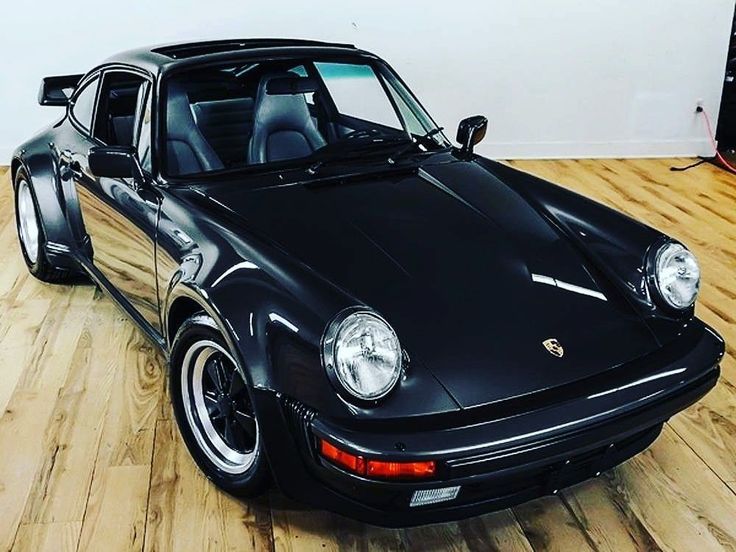
- Porsche 911: The 911 is one of the most iconic sports cars in history, and has been in production since 1963. It has undergone numerous updates and redesigns over the years, but has always maintained its distinctive shape and thrilling performance.
- Porsche 917: The 917 was a legendary race car that dominated the world of sports car racing in the early 1970s. It won the prestigious 24 Hours of Le Mans race in both 1970 and 1971, and set a top speed record of over 240 mph.
- Porsche 959: The 959 was a groundbreaking supercar that debuted in 1986. It was one of the fastest cars of its time, with a top speed of over 200 mph, and featured advanced technologies like all-wheel drive and a twin-turbocharged engine.
- Porsche Carrera GT: The Carrera GT was a limited-production supercar that was produced from 2004 to 2006. It featured a 5.7-liter V10 engine that produced over 600 horsepower, and was capable of reaching a top speed of over 200 mph.
- Porsche 918 Spyder: The 918 Spyder was a hybrid supercar that was produced from 2013 to 2015. It featured a hybrid powertrain that combined a V8 engine with electric motors, producing a total of 887 horsepower. It was capable of reaching a top speed of 214 mph and could accelerate from 0 to 60 mph in just 2.2 seconds.
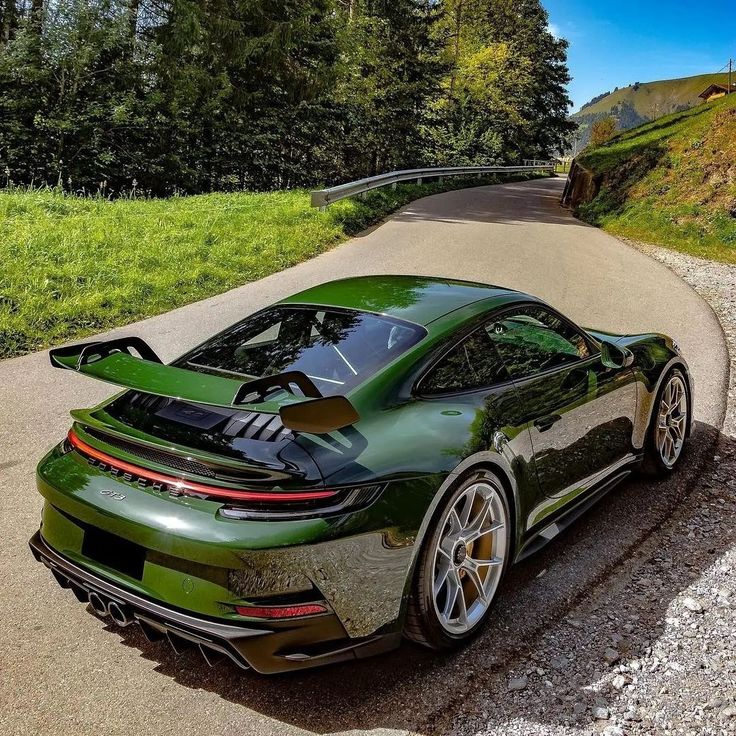
- Porsche GT3: The GT3 is a high-performance version of the 911 that was introduced in 1999. It features a naturally aspirated engine, lightweight construction, and advanced suspension and handling systems, making it one of the most thrilling and capable sports cars on the market.
What are some of the most notable features of the Porsche 911?
The Porsche 911 is one of the most iconic sports cars in history, and has been in production for over 50 years. Here are some of the most notable features of the Porsche 911:
- Rear-Engine Layout: The 911 is one of the few sports cars that still uses a rear-engine layout, which gives it distinctive handling characteristics and a unique driving experience.
- Iconic Design: The 911 has a timeless design that has remained largely unchanged over the years. Its distinctive shape, with a sloping roofline and round headlights, has become instantly recognizable to car enthusiasts around the world.
- Advanced Suspension and Handling: The 911 features advanced suspension and handling systems that provide exceptional grip and agility. These systems include adaptive dampers, active anti-roll bars, and rear-wheel steering, which helps to improve stability and responsiveness.
- Powerful Engines: The 911 is available with a range of powerful engines, including turbocharged and naturally aspirated options. The top-of-the-line 911 Turbo S model, for example, features a 3.8-liter twin-turbocharged engine that produces 640 horsepower and 590 lb-ft of torque.
- Advanced Technology: The 911 is packed with advanced technology features, including a high-resolution touchscreen display, a Bose or Burmester sound system, and a range of driver assistance features like adaptive cruise control and lane departure warning.
- Customization Options: Porsche offers a wide range of customization options forthe 911, allowing buyers to tailor the car to their preferences. These options include a variety of exterior colors, wheel designs, interior materials, and performance upgrades.
- Racing Pedigree: The 911 has a long and successful racing history, with numerous wins in events like the 24 Hours of Le Mans and the Daytona 24 Hours. This racing pedigree has helped to cement the 911’s reputation as one of the world’s most capable sports cars.
The Porsche 911 is a car that combines timeless design, advanced technology, and thrilling performance in a unique and iconic package. Its rear-engine layout, advanced handling systems, and powerful engines make it one of the most exciting cars on the road, while its customization options and advanced technology features make it a practical and comfortable daily driver.
GT3 Comfort T-shirt

Follow us on instagram
 Car Community
Leave a comment