

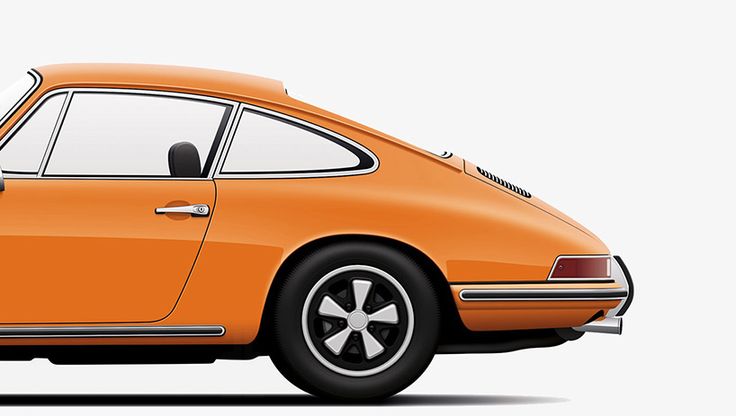
Porsche is known for producing some of the most iconic and recognizable sports cars in the world. The company’s design philosophy is focused on creating cars that are not only beautiful and stylish, but also highly functional and performance-oriented. Here are some key aspects of Porsche’s design philosophy that make its cars so unique:
- Form Follows Function: Porsche’s design philosophy is based on the idea that form follows function. This means that every element of the car’s design is focused on maximizing performance and functionality. For example, the car’s aerodynamics, weight distribution, and overall shape are all designed to improve handling, speed, and agility.
- Timeless Design: Porsche’s cars have a timeless design that is instantly recognizable. The company’s design team is focused on creating cars that are beautiful and stylish, but also have a classic and iconic look that will stand the test of time. This is achieved through the use of clean lines, simple shapes, and a minimalist approach to design.
- Driver-Centric Design: Porsche’s cars are designed with the driver in mind. The company’s design team is focused on creating cars that are intuitive to drive and that provide the driver with a sense of connection to the road. This is achieved through the use of ergonomic controls, driver-focused instrumentation, and a seating position that puts the driver at the center of the action.
- Lightweight Construction: Porsche’s cars are designed to be as lightweight as possible, without sacrificing performance or safety. This is achieved through the use of advanced materials, such as aluminum and carbon fiber, and through the use of minimalist design principles. Lightweight construction helps to improve the car’s handling, acceleration, and fuel efficiency, making it more fun to drive and better for the environment.
- Attention to Detail: Porsche’s cars are known for their attention to detail. Every element of the car’s design, from the stitching on the seats to the placement of the air vents, is carefully considered to ensure that it is both functional and beautiful. This attention to detail helps to create a sense of luxury and sophistication that is unique to Porsche’s cars.
- Evolutionary Design: Porsche’s design philosophy is focused on evolution, rather than revolution. The company’s cars have a consistent and recognizable design language that has evolved over time, with each new model building on the successes of its predecessors. This approach helps to create a sense of continuity and heritage that is unique to Porsche’s cars.
Overall, Porsche’s design philosophy is focused on creating cars that are beautiful, functional, and performance-oriented. The company’s designers are focused on maximizing every aspect of the car’s design, from its aerodynamics to its ergonomics, to create a driving experience that is truly unique. With a focus on form following function, timeless design, driver-centric design, lightweight construction, attention to detail, and evolutionary design, Porsche has established itself as one of the most innovative and iconic car manufacturers in the world.

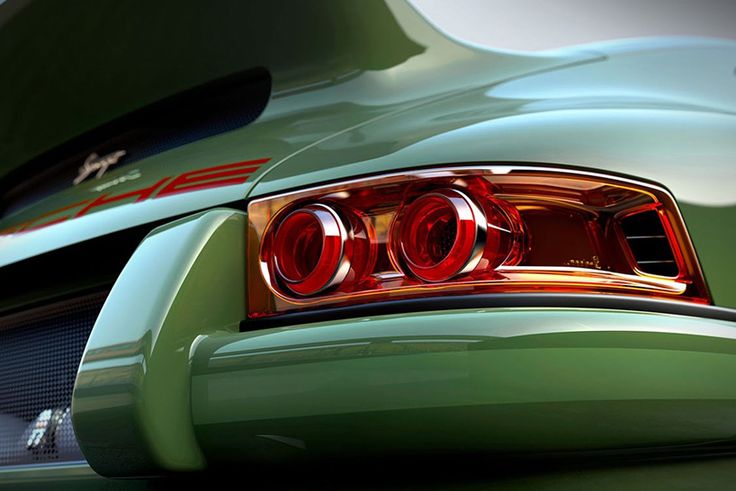
Some of the most iconic Porsche models that embody these design principles
Porsche has produced many iconic cars over the years that embody the company’s design principles and have become synonymous with the Porsche brand. Here are some of the most iconic Porsche models:
- Porsche 911: The Porsche 911 is perhaps the most iconic Porsche model of all time. First introduced in 1963, the 911 has undergone many changes over the years, but it has always maintained its classic and instantly recognizable design. The car’s distinctive shape, rear-engine layout, and performance-oriented design have made it a favorite among car enthusiasts and collectors.
- Porsche 356: The Porsche 356 was the company’s first production car, and it set the standard for Porsche’s iconic design language. The car’s clean lines, minimalist design, and rear-engine layout helped to establish Porsche as a leader in the sports car market.
- Porsche 917: The Porsche 917 is one of the most iconic race cars of all time. The car’s sleek and aerodynamic design, powerful engine, and advanced engineering helped to establish Porsche as a dominant force in motorsports in the 1970s.
- Porsche 959: The Porsche 959 was a groundbreaking supercar that was ahead of its time. The car’s advanced technology, lightweight construction, and powerful engine helped to establish Porsche as an innovator in the automotive industry.
- Porsche Carrera GT: The Porsche Carrera GT is a high-performance supercar that was produced between 2004 and 2006.The car’s sleek and aerodynamic design, powerful V10 engine, and advanced engineering helped to establish Porsche as a leader in the supercar market.
- Porsche Boxster: The Porsche Boxster is a two-seater convertible that was first introduced in 1996. The car’s mid-engine layout, sleek design, and driver-focused cockpit helped to establish Porsche as a leader in the sports car market.

How has Porsche’s design language evolved over the years
Porsche’s design language has evolved significantly over the years, while still maintaining a consistent and recognizable style. Here are some of the key ways that Porsche’s design language has evolved:
- Classic Design: Porsche’s earliest cars had a classic and minimalist design, with clean lines and a focus on functionality. These early cars, such as the Porsche 356 and the Porsche 911, set the standard for Porsche’s design language and have influenced the company’s cars to this day.
- Aerodynamics: In the 1970s and 1980s, Porsche began to place a greater emphasis on aerodynamics in its car designs. This led to the introduction of cars such as the Porsche 924, which had a sleek and aerodynamic design that helped to improve handling and speed.
- Evolutionary Design: Porsche’s design language has always been focused on evolution rather than revolution. The company’s cars have a consistent and recognizable design language that has evolved over time, with each new model building on the successes of its predecessors. This approach has helped to create a sense of continuity and heritage that is unique to Porsche’s cars.
- Modern Design: In recent years, Porsche has introduced more modern design elements into its cars. This includes features such as LED lighting, touchscreen displays, and advanced aerodynamics. These modern design elements have helped to keep Porsche’s cars at the forefront of automotive design and technology.
- Electric Cars: With the introduction of the Porsche Taycan, the company’sdesign language has evolved to incorporate the unique design elements required for electric cars. The Taycan has a sleek and futuristic design that sets it apart from Porsche’s traditional sports cars, while still incorporating the company’s iconic design elements.
- Sustainability: Porsche’s design language is evolving to incorporate sustainability as a key consideration. The company is exploring the use of sustainable materials in its cars, such as recycled materials and natural fibers, and is designing cars with a focus on reducing their environmental impact.
Follow us on instagram
 Car Community
Leave a comment