

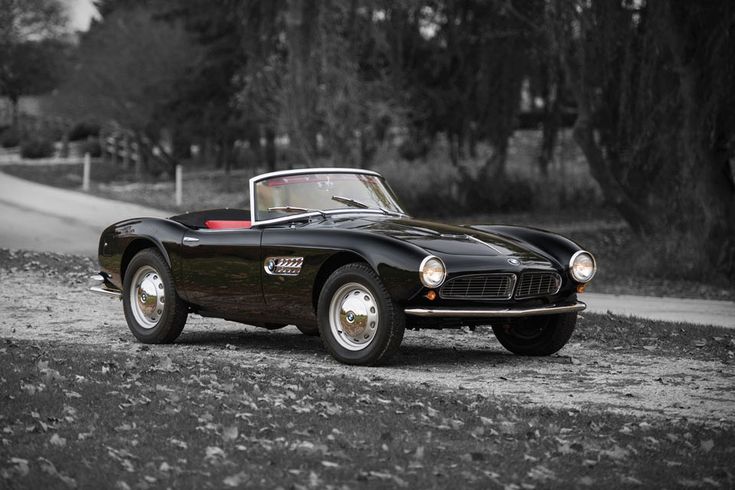
The BMW 507 is a roadster produced by the German automaker BMW from 1956 to 1959. It was designed to be a high-performance sports car, competing with other European sports cars of the time such as the Mercedes-Benz 300SL and the Jaguar XK120.
The BMW 507 was powered by a 3.2-liter V8 engine that produced up to 150 horsepower and 162 lb-ft of torque. The car featured a four-speed manual transmission and a rear-wheel-drive system.

The exterior of the BMW 507 had a sleek and elegant design, with a long hood, short rear deck, and distinctive BMW styling cues such as the kidney-shaped grille. The car’s body was made of aluminum, which contributed to its lightweight and nimble handling.
The interior of the BMW 507 was designed for luxury and comfort, with leather upholstery, a wood-rimmed steering wheel, and a premium sound system. The car also featured advanced performance upgrades for its time, including disc brakes and a fully independent suspension.
Despite its impressive performance and elegant styling, the BMW 507 was not a commercial success, with only 252 units produced. However, its rarity and classic design have made it a highly sought-after collector’s item, with some cars selling for millions of dollars at auctions. The BMW 507 remains a beloved classic of BMW engineering and design, and its influence can be seen in many of the company’s sports cars today.

BMW 507 interior
The interior of the BMW 507 was designed to be luxurious and comfortable, with a focus on quality materials and classic styling. The car featured a spacious cabin that could comfortably seat two passengers.
The seats of the BMW 507 were upholstered in high-quality leather, with the option for a two-tone color scheme. The dashboard and door panels were finished in wood veneer, giving the car a classic and elegant feel.
The steering wheel of the BMW 507 was a three-spoke design, also finished in wood. The instrument cluster featured a large speedometer and tachometer, with smaller gauges for fuel level and oil pressure. The car also had a clock mounted in the center of the dashboard.
Other features of the BMW 507’s interior included a heater and ventilation system, a radio, and a luggage compartment located behind the seats. The car did not have side windows or a convertible top, but it did come with a removable hardtop that could be used in inclement weather.
Interior of the BMW 507 was designed to be a comfortable and stylish space for driving enthusiasts. The combination of leather, wood, and classic design elements made it a luxurious and timeless interior that is still highly regarded by collectors and enthusiasts today.
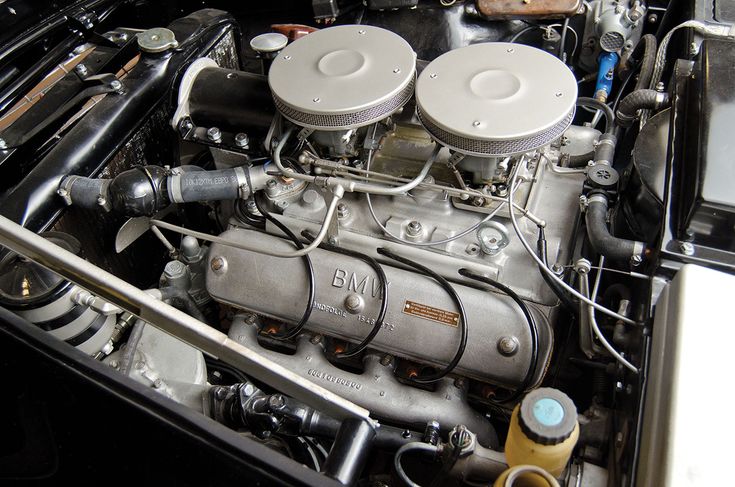
BMW 507 engine
The BMW 507 was powered by a 3.2-liter V8 engine that was designed by BMW engineer Fritz Fiedler. The engine was unique for its time, as it featured an aluminum block that made it lightweight and allowed for better weight distribution in the car.
The BMW 507’s V8 engine produced up to 150 horsepower and 162 lb-ft of torque. It featured dual overhead camshafts and hemispherical combustion chambers, which allowed for improved airflow and better performance.
The engine was paired with a four-speed manual transmission and a rear-wheel-drive system, giving the BMW 507 excellent handling and performance characteristics.
Despite its relatively modest power output by modern standards, the BMW 507’s engine was considered quite powerful for its time and allowed the car to reach a top speed of up to 120 mph. The engine’s smooth power delivery and refined character were also highly regarded by enthusiasts and critics.
Today, the BMW 507’s engine is still highly regarded for its advanced technology and elegant design. It remains a classic example of BMW engineering and a beloved part of the car’s overall design and performance.

Follow us on instagram
 Car Community
Leave a comment