

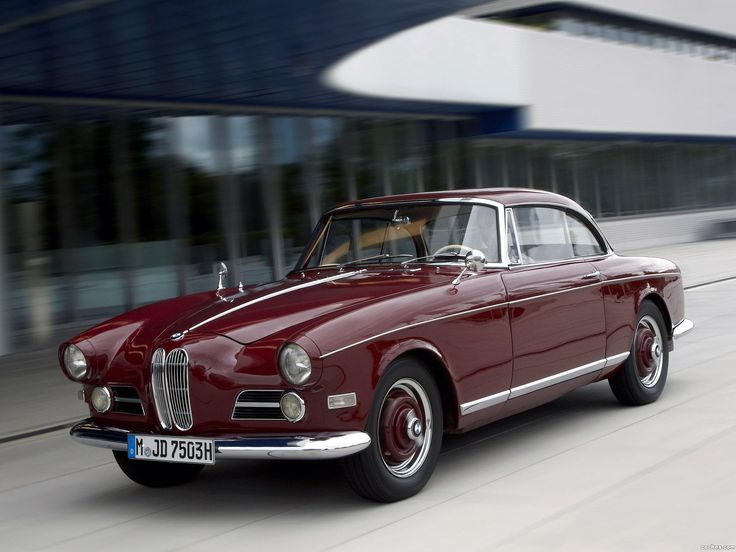
The BMW 503 was a grand touring car produced by BMW from 1956 to 1959. It was designed by Albrecht von Goertz, who also designed the BMW 507, and it was intended to be a more luxurious and powerful alternative to the BMW 502 sedan.
The 503 was powered by a 3.2-liter V8 engine that produced 140 horsepower and 162 lb-ft of torque. The engine was mated to a four-speed manual transmission, or an optional three-speed automatic transmission, and it was capable of propelling the car to a top speed of around 118 mph (190 km/h).
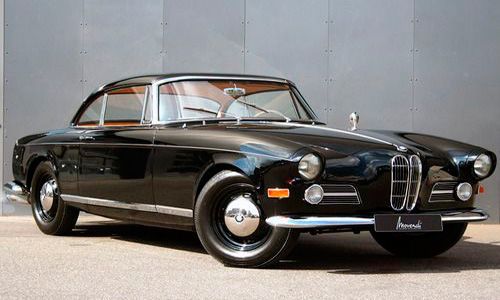
The 503’s body was constructed of steel, with aluminum doors, hood, and trunk lid. The car featured a long, graceful hood and elegant lines that were typical of 1950s grand touring cars. The interior was also luxurious, with leather seats, wood trim, and a full complement of gauges and controls.
Despite its impressive performance and luxurious features, the 503 was not a commercial success for BMW. Only 413 examples were produced between 1956 and 1959, making it a rare and highly sought-after collector car today. Its rarity, combined with its stylish design and powerful V8 engine, has made it a favorite among car enthusiasts and collectors around the world.
If you are interested you should read about the Best Classic cars ever made
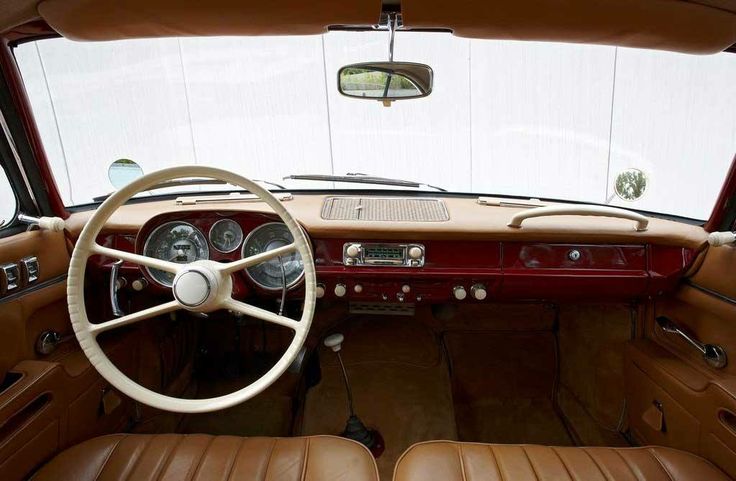
BMW 503 interior
The interior of the BMW 503 was luxurious and elegant, featuring high-quality materials and a range of amenities that were not common in cars of its era. The dashboard was constructed of wood and featured a full complement of gauges and controls, including a speedometer, tachometer, fuel gauge, and clock. The steering wheel was also made of wood and featured a polished metal horn ring.
The seats were upholstered in leather and were contoured for maximum comfort and support. The front seats were adjustable, and the rear seats could also be folded down to provide additional storage space. The car featured roll-up windows, which were power-operated in some examples, and a heater/defroster system for added comfort in cold weather.
Other interior features included a radio, which was an option, and a range of optional accessories such as a sunroof, fog lights, and a luggage rack. The BMW 503’s interior was designed to provide a comfortable and luxurious driving experience, and it was a major selling point for the car when it was introduced in the late 1950s. Today, the car’s elegant interior remains a highlight for collectors and enthusiasts who appreciate its classic mid-century design and attention to detail.
Join the Car Community and get yourself the Le Mans Clubsport Jacket

Ok, let’s continue our classy BMW trip (I’m a BMW top fan by the way)
now we are going to introduce the most important part of our vehicle and the source of power in every car

BMW 503 engine
The BMW 503 was powered by a 3.2-liter V8 engine that was designed specifically for this car. The engine featured a cast-iron block and aluminum cylinder heads, and it was capable of producing 140 horsepower and 162 lb-ft of torque.
The engine was equipped with dual carburetors and a dual exhaust system, which helped to optimize its performance. It was also mated to a four-speed manual transmission, or an optional three-speed automatic transmission, which was a relatively new technology at the time.
The BMW 503’s V8 engine gave the car impressive performance for its era, with a top speed of around 118 mph (190 km/h) and a 0-60 mph (0-97 km/h) time of around 13 seconds. The engine’s smooth power delivery and refined operation also helped to make the car a comfortable and enjoyable grand touring car.
V8 engine was not as reliable as BMW had hoped, and it was prone to overheating and other issues. This, combined with the car’s high price and limited production, contributed to its relatively low sales and ultimate discontinuation after just a few years of production. Nonetheless, the 503’s V8 engine remains an interesting and significant chapter in BMW’s history of engineering and design.
Follow us on instagram
 Car Community
Leave a comment