

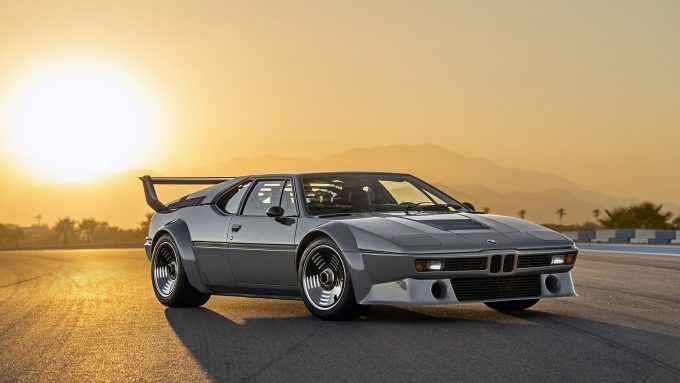
The BMW M1 is a high-performance sports car produced by BMW from 1978 to 1981. It was the first BMW car to be designed specifically for racing, and was also the company’s first mid-engined car.
The M1 was powered by a 3.5-liter inline-six engine that produced 273 horsepower and 243 lb-ft of torque. It was available with a five-speed manual transmission and could reach a top speed of around 162 mph (260 km/h). The M1 was also equipped with advanced racing features such as a tubular steel space frame chassis, a rear-mounted transmission, and a limited-slip differential.
The M1 was originally designed to be a race car, but due to changes in racing regulations, it ended up being sold to the public as a road car. Only 453 M1s were ever produced, making it a rare and valuable collector’s item today. The car’s striking design, impressive performance, and racing pedigree have made it a highly sought-after classic car among enthusiasts.
If you are interested you should read about BMW 328
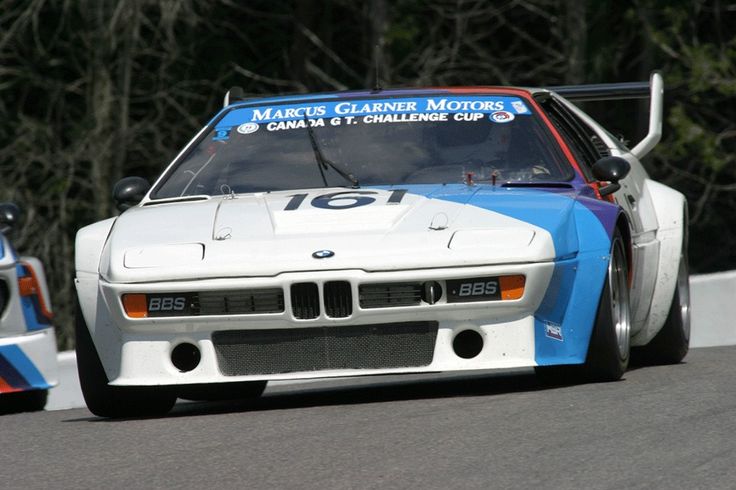
BMW M1 Price
The BMW M1 is a very rare and highly sought-after sports car, and as such, its price can vary greatly depending on its condition, mileage, and other factors. Generally speaking, a well-maintained BMW M1 in good condition can fetch anywhere from $400,000 to $1 million or more at auction.
However, it’s worth noting that the prices of classic cars like the BMW M1 can fluctuate over time due to a variety of factors, including changes in market demand, the economy, and the availability of similar vehicles. As with any classic car purchase, it’s important to do your research and work with a trusted seller or auction house to ensure that you’re getting a fair price for the vehicle.
What are some factors that can affect the price of a classic car like the BMW M1?
There are many factors that can affect the price of a classic car like the BMW M1. Here are a few examples:
- Rarity: The rarity of a car is a major factor in determining its value. The BMW M1 is already a rare car, with only 453 units produced, so the rarer the specific model or version you’re looking at, the more valuable it is likely to be.
- Condition: The condition of the car can greatly impact its value. A well-maintained, low-mileage car in excellent condition will generally be worth more than a car that has been poorly maintained or has significant wear and tear.
- Originality: Originality is highly valued in classic cars, and cars that have been kept as close to their original state as possible may command a higher price than modified or restored cars.
- History: The history of the car can also be a factor in determining its value. Cars with documented racing or celebrity ownership, for example, may be worth more than cars with little or no known history.
- Market demand: Like any other commodity, the value of classic cars is also influenced by supply and demand. If a particular model or brand is highly sought after by collectors, its value is likely to increase.
- Location: The location of the car can also play a role in its value. Cars that are rare or desirable in one part of the world may not be as sought after in another region, which can affect their price.
I recommend to read about BMW Isetta

BMW M1 interior
The interior of the BMW M1 was designed to be both functional and luxurious. The cockpit was designed with the driver in mind, and all the controls and gauges are easily accessible. The seats were also designed for comfort and support during high-speed driving.
The dashboard of the BMW M1 is simple and uncluttered, with a central tachometer and speedometer flanked by smaller gauges for oil pressure, water temperature, and fuel level. The steering wheel is a three-spoke design with a BMW emblem in the center.
The seats in the BMW M1 are upholstered in leather or a combination of leather and cloth, depending on the model. They are highly supportive and adjustable, with bolsters to keep the driver and passenger in place during high-speed maneuvers.
The center console houses the gear shifter, climate controls, and an audio system, as well as additional gauges for oil temperature and battery voltage. The overall design of the interior is simple and functional, with a focus on performance and driver engagement.

BMW M1 engine
The BMW M1 is powered by a 3.5-liter inline-six engine, known as the M88 engine. The M88 engine was developed specifically for the M1 and was based on the engine used in the BMW 3.0 CSi.
The M88 engine features double overhead camshafts, four valves per cylinder, and electronic fuel injection. It produces 273 horsepower at 6,500 RPM and 243 lb-ft of torque at 5,000 RPM. The engine is mated to a five-speed manual transmission and sends power to the rear wheels.
The M88 engine was a high-performance engine for its time, and it allowed the BMW M1 to achieve impressive performance figures. The car could accelerate from 0-60 mph in around 5.6 seconds and had a top speed of around 162 mph (260 km/h).
this legendary engine was also used in other BMW models, including the BMW M5 and the BMW M6. It is highly regarded by BMW enthusiasts for its smooth power delivery, high-revving capabilities, and overall durability.
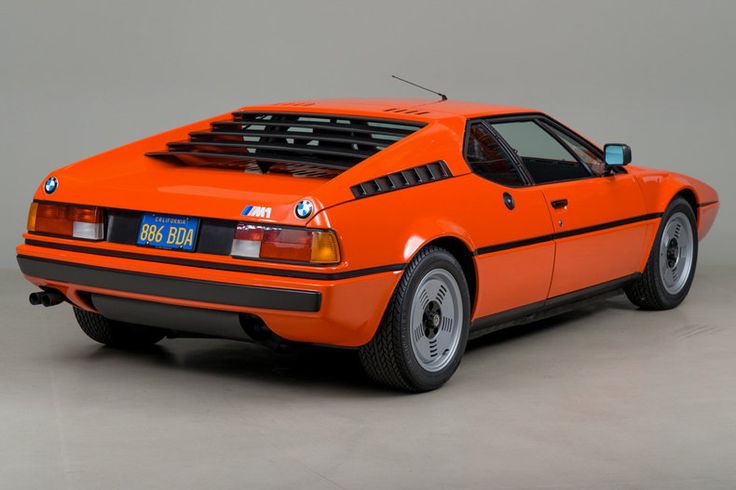
BMW M1 Cons
While the BMW M1 is a highly regarded and sought-after sports car, there are some potential drawbacks to consider before purchasing one. Here are a few cons to keep in mind:
- Rarity: While the rarity of the BMW M1 is a positive aspect in terms of collectibility and exclusivity, it can also be a negative factor when it comes to finding replacement parts or servicing the car. Some parts may be difficult or expensive to obtain, and finding a qualified mechanic who is experienced in working on the M1 can be a challenge.
- Maintenance: Like any high-performance sports car, the BMW M1 requires regular maintenance and upkeep to keep it running at its best. This can be expensive and time-consuming, and some owners may find it difficult to keep up with the car’s maintenance needs.
- Comfort: While the BMW M1 was designed primarily as a high-performance sports car, it may not be the most comfortable car for everyday driving. The car’s suspension is stiff, and the cabin can be noisy at higher speeds. Additionally, the car’s low-slung design can make it difficult for taller drivers to get in and out of the car comfortably.
- Price: As a rare and highly collectible sports car, the BMW M1 can be quite expensive to purchase, especially if you’re looking for a well-maintained example in good condition. Additionally, the value of the car can fluctuate over time, which can impact its resale value.
M1 is a highly desirable sports car that offers impressive performance and a unique driving experience. However, it’s important to consider the potential drawbacks before making a purchase to ensure that it’s the right car for you.


BMW M10 Engine
For over two decades, one engine formed the beating heart of BMW’s rise from niche manufacturer to global performance powerhouse: the venerable M10. This rugged, versatile, and incredibly tunable four-cylinder is a cornerstone of BMW history, powering everything from humble sedans to championship-winning race cars and even laying the foundation for the iconic M1 supercar. This…


Honda R-Series Engine: Your Complete Guide
Picture an engine family so versatile it powers everything from Tokyo commuter cars to American SUVs – all while delivering near-hybrid efficiency without a battery. That’s the Honda R-Series: the unsung hero in 20+ million vehicles since 2006. Forget the flashy K-Series – this is Honda’s real-world engineering masterpiece. We’ll dissect every engine, including the overlooked R16A/B, and…

Honda K-Series Engine: Full Guide
two things you can’t beat: your wife when she’s pregnant and a tuned Honda K engine, they make it much harder for other car manufactures to compete with such a cheap and powerful engine. drop it in your noisy civic and boom you are on the same level with mustangs. this engine family spans over…

Honda J-Series Engine
Since its debut in the late 1990s, this V6 engine series has powered everything from sleek sedans like the Honda Accord and Acura TL to rugged SUVs like the Pilot and Odyssey. In this definitive guide, we’ll explore every J-Series variant, their technical specs, tuning potential, maintenance secrets, and FAQs. Whether you’re a Honda enthusiast, mechanic,…

Honda H-Series Engine
From the screaming H22A in the Prelude SiR to the torquey H25A in the Odyssey, this series has powered some of Honda’s most iconic models. In this exhaustive guide, we cover every H-Series variant, including overlooked engines, with precise specs, tuning insights, and FAQs backed by in-depth research. Honda H-Series Evolution The H-Series debuted in 1992 with…
 Car Community
Leave a comment