


Welcome to our blog, where we explore the world of iconic automobiles. Today, we turn our attention to the BMW E31, a true gem in the automotive industry. Released in the early 1990s, the E31 captivated enthusiasts with its sleek design, powerful performance, and innovative features. Join us as we take a closer look at this legendary model and discover why it continues to be a favorite among car enthusiasts around the globe.
Design:
The BMW E31 is a masterpiece of automotive design. Its timeless silhouette features a long hood, a short rear deck, and a graceful roofline, giving it an unmistakable presence on the road. The body lines are sleek and aerodynamic, showcasing the car’s sporty nature. From the iconic kidney grille to the elegant pop-up headlights, every detail of the E31 exudes sophistication and style.
Performance:
Under the hood, the BMW E31 offers an impressive range of engines that deliver exhilarating performance. One of the most notable powerplants is the V12 engine, available in both 5.0L and 5.4L displacements. With its smooth power delivery and abundant torque, the V12 propels the E31 from 0 to 60 mph in just a few seconds. The car’s advanced suspension system and precise steering provide a dynamic driving experience, making it a joy to navigate through twists and turns.

Technological Innovations:
The E31 was ahead of its time when it came to technological advancements. It boasted features like an onboard computer, automatic climate control, and a sophisticated audio system. Additionally, the E31 was one of the first BMW models to feature an electronic stability control system, ensuring optimal handling and safety. These cutting-edge technologies elevated the driving experience and set new standards for luxury cars of the era.
Luxurious Interior:
Step inside the BMW E31, and you’ll be greeted by a luxurious cabin that blends comfort and craftsmanship seamlessly. The seats are upholstered in supple leather, providing excellent support during spirited drives. The dashboard layout is driver-focused, with all controls within easy reach. Wood accents and high-quality materials adorn the interior, creating an ambiance of refined elegance.
Legacy and Collectability:
As the years have passed, the BMW E31 has gained a reputation as a modern classic. Its rarity and timeless design have made it highly sought after among collectors and enthusiasts. Owning an E31 is not just about the driving experience but also about owning a piece of automotive history.
The BMW E31 is a true icon in the automotive world, combining stunning design, exhilarating performance, and innovative technologies. From its timeless exterior to its luxurious interior, every aspect of the E31 exudes sophistication and class. If you ever have the opportunity to get behind the wheel of this masterpiece, you’ll understand why it continues to captivate car enthusiasts to this day.
If you are interested you should read about BMW M1
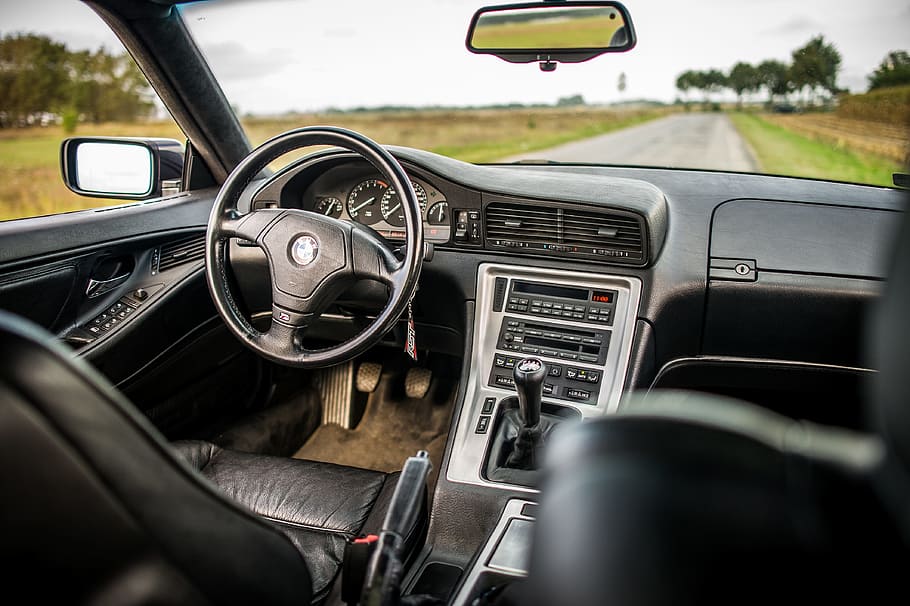
BMW E31 interior
The interior of the BMW E31 is a testament to luxury and craftsmanship. Step inside, and you’ll be enveloped in an atmosphere of elegance and comfort. Here are some key features of the BMW E31 interior:
- Design and Layout:
The interior of the E31 is designed with a focus on the driver, offering a cockpit-like feel. The layout is clean and uncluttered, with a symmetrical arrangement of controls and displays. Every element is thoughtfully placed for easy accessibility and intuitive operation. - Materials and Finishes:
The BMW E31 showcases the finest materials and finishes. High-quality leather upholstery is standard, providing a luxurious seating experience. The seats are often bolstered and contoured to offer excellent support during spirited driving. The use of wood accents, brushed aluminum, and polished chrome trim adds a touch of sophistication to the cabin. - Driver-Oriented Controls:
In keeping with BMW’s driver-focused philosophy, the E31 places the controls within easy reach of the driver. The ergonomically designed steering wheel provides a comfortable grip, and the instrument cluster offers clear and concise information. The center console houses controls for the audio system, climate control, and other features, all intuitively arranged for ease of use. - Technology and Features:
The BMW E31 was packed with advanced technology for its time. It featured an onboard computer that provided valuable information about the vehicle’s performance and diagnostics. The audio system was top-notch, offering crisp sound quality. Climate control was often automatic, allowing occupants to set their desired temperature and let the system maintain it effortlessly. - Comfort and Space:
Despite its sporty nature, the E31 offered ample comfort and space for both the driver and passengers. The seats provided excellent support and adjustability, allowing occupants to find their preferred seating position. Legroom and headroom were generous in the front seats, and while the rear seats were more suitable for occasional use, they still offered reasonable comfort for shorter journeys. - Storage and Practicality:
The E31 provided various storage compartments throughout the cabin, allowing occupants to stow personal items conveniently. The trunk space was decent for a luxury coupe, providing enough room for luggage or other belongings.
In summary, the interior of the BMW E31 is a blend of luxury, technology, and driver-focused design. From the high-quality materials and finishes to the driver-oriented controls, every aspect of the cabin is crafted to provide a premium and comfortable experience for both the driver and passengers.
I recommend to read about BMW E30
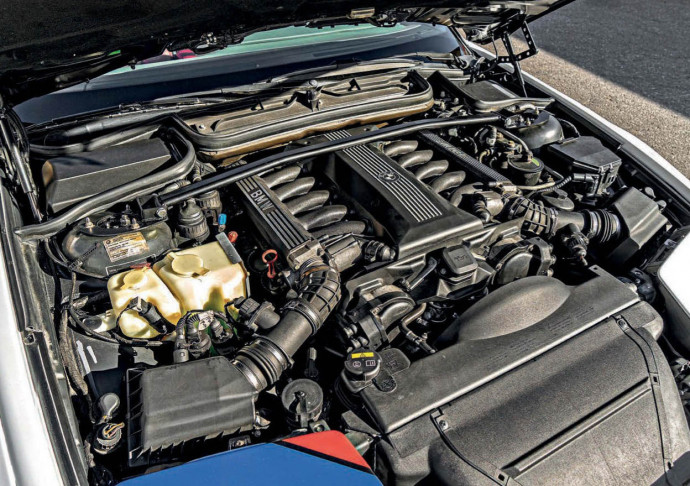
BMW E31 engine
The BMW E31 was offered with a range of powerful and impressive engines during its production. Here are some notable engine options available for the BMW E31:
- 3.0-Liter Inline-6:
The entry-level engine for the E31 was a 3.0-liter inline-6. It offered a balance of performance and efficiency, delivering a smooth power delivery. While it was not as powerful as some of the other engine options, it still provided a satisfying driving experience. - 4.0-Liter V8:
The E31 also offered a 4.0-liter V8 engine, which provided increased power and performance. This engine option delivered a significant boost in horsepower and torque compared to the inline-6, resulting in quicker acceleration and improved overall performance. - 5.0-Liter V12:
One of the most iconic engine choices for the BMW E31 was the 5.0-liter V12. This engine was known for its smooth power delivery and abundance of torque. It offered a thrilling driving experience, with impressive acceleration and a top speed that made the E31 a true performance coupe. - 5.4-Liter V12:
In later years, BMW introduced an upgraded 5.4-liter V12 engine for the E31. This engine provided even more power and performance compared to the 5.0-liter V12. With enhanced engine tuning and increased displacement, the 5.4-liter V12 offered exhilarating acceleration and top-end speed.
All the engines available for the BMW E31 were paired with advanced suspension systems and precise steering, providing a dynamic and engaging driving experience. Whether it was the entry-level inline-6 or the range-topping V12, each engine option offered its own unique blend of performance and refinement to suit the preferences of different drivers.
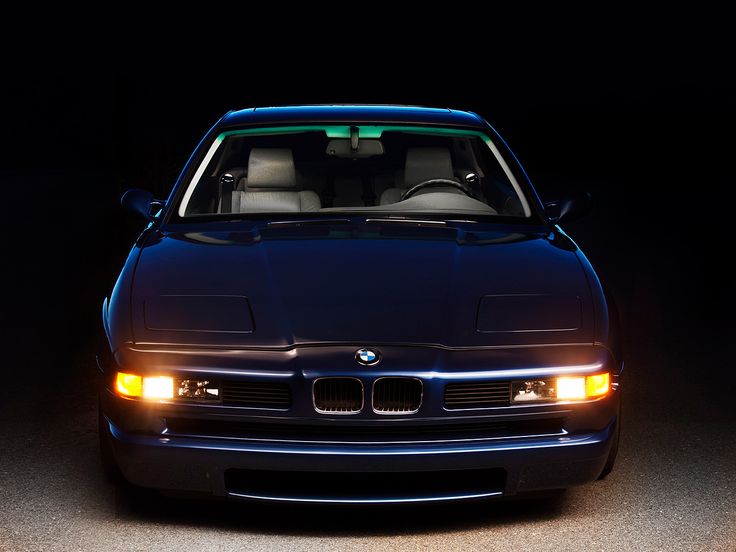
BMW E31 Cons
While the BMW E31 is a highly regarded and iconic vehicle, it’s important to consider some of the potential drawbacks or cons associated with owning one. Here are a few factors to keep in mind:
- Maintenance and Repair Costs:
As a luxury and performance vehicle, the BMW E31 can come with higher maintenance and repair costs compared to more mainstream cars. Genuine parts, specialized servicing, and the complexity of the vehicle’s systems can contribute to increased expenses. It’s important to budget for these costs and find a trusted mechanic or BMW specialist who is familiar with the E31. - Limited Rear Seat Space:
The BMW E31 is a two-door coupe, and while it can comfortably accommodate passengers in the front seats, the rear seats offer limited space. The back seats are more suitable for occasional use or for smaller passengers. If you frequently have rear-seat passengers or require ample rear-seat space, the E31 may not be the most practical choice. - Fuel Efficiency:
Due to its powerful engines and performance-oriented nature, the BMW E31 may not be the most fuel-efficient vehicle. The larger-displacement engines, such as the V8 and V12 options, can consume more fuel compared to smaller, more economical engines. It’s important to consider your driving habits and fuel budget when evaluating the E31’s fuel efficiency. - Aging Technology:
The BMW E31 was originally introduced in the early 1990s, which means that its technology and features may not be on par with modern vehicles. While it offered advanced features for its time, such as an onboard computer and electronic stability control, the E31 may lack some of the cutting-edge technology found in newer vehicles. This includes features like advanced driver assistance systems, modern infotainment systems, and connectivity options. - Limited Availability and Parts:
As the BMW E31 is a vintage or classic vehicle, finding specific parts or components may become increasingly challenging as time goes on. The availability of original or OEM parts may decrease, and sourcing replacements may require more effort and potentially higher costs. It’s important to consider the availability of parts and the potential impact on maintenance and repairs when owning a classic vehicle like the E31.


BMW M10 Engine
For over two decades, one engine formed the beating heart of BMW’s rise from niche manufacturer to global performance powerhouse: the venerable M10. This rugged, versatile, and incredibly tunable four-cylinder is a cornerstone of BMW history, powering everything from humble sedans to championship-winning race cars and even laying the foundation for the iconic M1 supercar. This…


Honda R-Series Engine: Your Complete Guide
Picture an engine family so versatile it powers everything from Tokyo commuter cars to American SUVs – all while delivering near-hybrid efficiency without a battery. That’s the Honda R-Series: the unsung hero in 20+ million vehicles since 2006. Forget the flashy K-Series – this is Honda’s real-world engineering masterpiece. We’ll dissect every engine, including the overlooked R16A/B, and…

Honda K-Series Engine: Full Guide
two things you can’t beat: your wife when she’s pregnant and a tuned Honda K engine, they make it much harder for other car manufactures to compete with such a cheap and powerful engine. drop it in your noisy civic and boom you are on the same level with mustangs. this engine family spans over…

Honda J-Series Engine
Since its debut in the late 1990s, this V6 engine series has powered everything from sleek sedans like the Honda Accord and Acura TL to rugged SUVs like the Pilot and Odyssey. In this definitive guide, we’ll explore every J-Series variant, their technical specs, tuning potential, maintenance secrets, and FAQs. Whether you’re a Honda enthusiast, mechanic,…

Honda H-Series Engine
From the screaming H22A in the Prelude SiR to the torquey H25A in the Odyssey, this series has powered some of Honda’s most iconic models. In this exhaustive guide, we cover every H-Series variant, including overlooked engines, with precise specs, tuning insights, and FAQs backed by in-depth research. Honda H-Series Evolution The H-Series debuted in 1992 with…
 Car Community
Leave a comment