

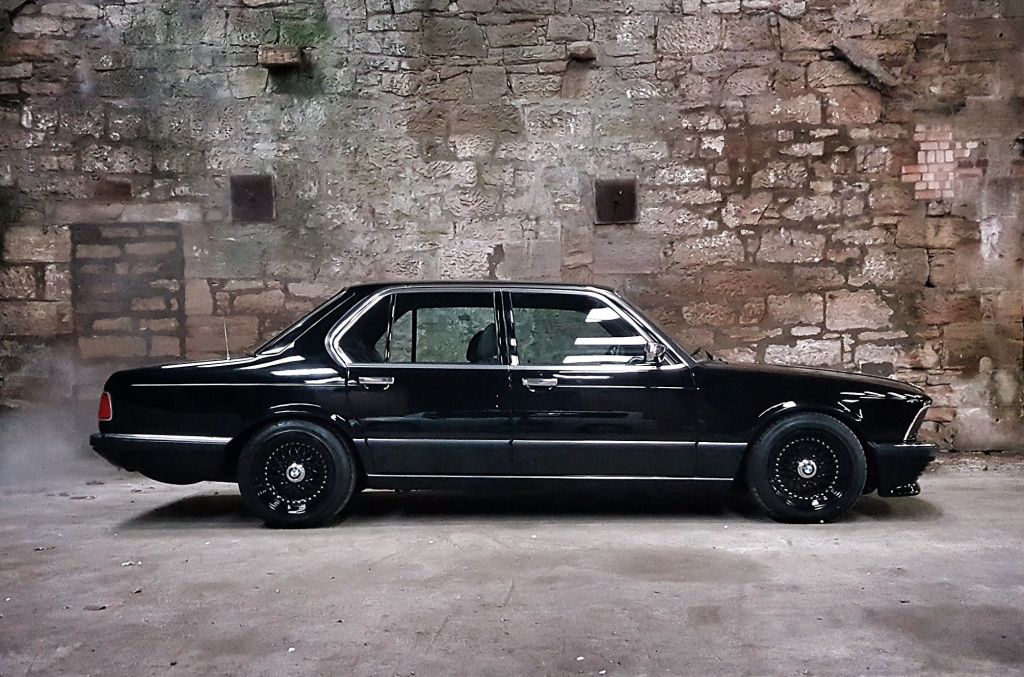
The BMW E23 refers to the first generation of the BMW 7 Series, which was produced from 1977 to 1986. It was the flagship luxury sedan of BMW during that time and introduced several features and technologies that would become synonymous with the 7 Series lineup. Here are some key details about the BMW E23:
Design: The E23 featured a classic and elegant design, showcasing BMW’s signature kidney grille at the front along with rectangular headlights. The body was well-proportioned and had a sleek appearance, reflecting a combination of luxury and sportiness.
Engines: The E23 was available with a range of engine options, including inline-six and V8 engines. The lineup included both gasoline and diesel engines, with various displacements and power outputs depending on the specific model and market. Engine sizes ranged from 2.5 to 3.5 liters, providing a balance between performance and fuel efficiency.

Features: The BMW E23 was equipped with several advanced features for its time. These included power windows, central locking, air conditioning, power-adjustable seats, and a comprehensive dashboard with various gauges and controls. Higher-end models offered additional luxury features such as leather upholstery, wood trim, and a sunroof.
Safety and Technology: The E23 introduced several safety features, including an anti-lock braking system (ABS), front and rear disc brakes, and a safety cage construction. It also featured advanced technology like a trip computer, onboard diagnostics, and an early version of BMW’s iDrive system, allowing for control of various vehicle functions.
Long Wheelbase Variant: In addition to the standard wheelbase model, a long wheelbase variant of the E23 was offered, providing increased rear legroom and additional luxury features. The long wheelbase version was particularly popular in some markets, catering to customers seeking enhanced comfort and space.
Legacy: The BMW E23 played a significant role in establishing the 7 Series as BMW’s flagship luxury sedan line. It set the stage for future generations of the 7 Series, showcasing BMW’s commitment to luxury, performance, and innovative features.
Please note that specific features and specifications of the BMW E23 may vary depending on the model year and market.
If you are interested you should read about BMW E46

BMW E23 interior
The interior of the BMW E23, the first-generation 7 Series, was designed to provide a luxurious and comfortable experience for both the driver and passengers. Here are some key features and details of the E23’s interior:
- Dashboard and Controls: The dashboard of the E23 was well-organized and featured a driver-oriented layout. It typically had a clean and uncluttered design with analog gauges for speed, RPM, fuel level, and engine temperature. The center console housed various controls for climate control, audio system, and other vehicle functions.
- Seating and Upholstery: The E23 offered spacious seating for both the front and rear occupants. The seats were typically well-padded and supportive, providing a comfortable ride. Higher-end models often featured leather upholstery, which added to the sense of luxury. The front seats were usually power-adjustable, allowing for personalized comfort settings.
- Center Console: The center console in the E23 housed various controls and storage compartments. It typically featured a gear shifter for the transmission, along with controls for the heating and ventilation system. There were also storage compartments for small items and convenience features like cup holders.
- Steering Wheel: The E23 came with a sporty steering wheel, typically wrapped in leather. It featured various controls for audio, cruise control, and other functions, allowing the driver to operate them without taking their hands off the wheel.
- Materials and Trim: The interior of the E23 was characterized by high-quality materials and attention to detail. The dashboard, door panels, and other surfaces were often trimmed with soft-touch materials and wood accents, adding a touch of elegance. The use of quality materials contributed to the overall luxurious feel of the interior.
- Technology: The E23 incorporated advanced technology for its time. It included features such as power windows, central locking, and an audio system. Higher-end models offered additional features like an onboard computer, power-adjustable seats with memory function, and a sunroof.
I recommend to read about The Most Iconic Porsche Models of All Time
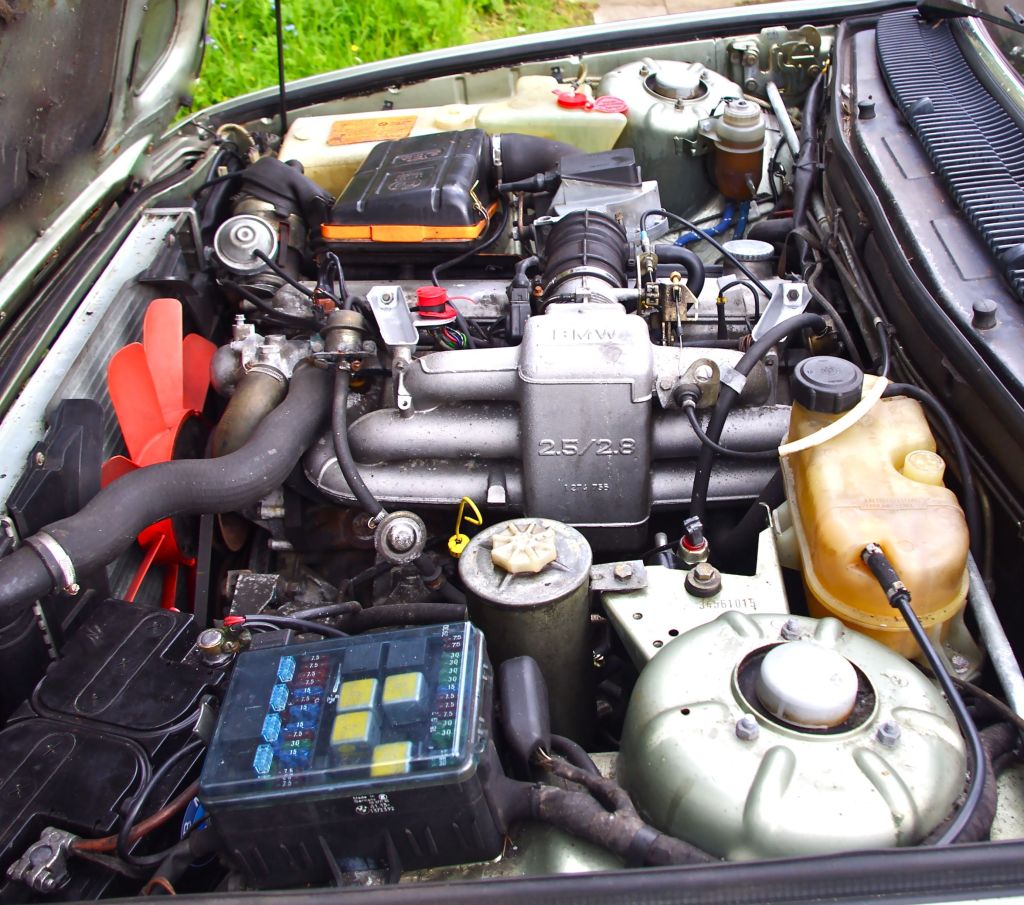
BMW E23 engine
This Legendary car wad available with a range of engine options to cater to different performance and fuel efficiency preferences. Here are some of the notable engines that were offered in the E23:
- M30 Inline-Six Engines: The E23 featured various versions of BMW’s M30 inline-six engine. These engines were available in different displacements and configurations, including carbureted and fuel-injected variants. The most common engines were the 2.8-liter (M30B28) and the 3.2-liter (M30B32) versions. Power outputs ranged from around 170 to 204 horsepower, depending on the specific engine and model year.
- M88 Inline-Six Engine: In certain high-performance models, such as the 745i (not available in all markets), the E23 featured the M88 engine. This engine was a 3.5-liter inline-six with a turbocharger and produced around 252 horsepower. The M88 engine was known for its performance capabilities and was also used in the BMW M1 sports car.
- M60 V8 Engines: Towards the end of the E23’s production, BMW introduced V8 engines in some markets. These included the 3.5-liter (M60B35) and 3.4-liter (M60B34) V8 engines. The M60 engines offered improved power and smoothness compared to the inline-six options, with power outputs ranging from around 208 to 286 horsepower.
- Diesel Engines: The E23 was also available with diesel engine options in certain markets. These included the 2.4-liter (M21D24) and 2.5-liter (M21D25) inline-six diesel engines. Diesel engines provided better fuel efficiency and torque characteristics, making them popular choices for those seeking long-distance cruising capabilities.
It’s important to note that the availability of specific engines varied depending on the market and model year. Additionally, power outputs and specifications may differ across different versions and updates of the E23.

BMW E23 Cons
There were a few drawbacks and cons associated with the model. Here are some of the commonly mentioned shortcomings of the E23:
- Complex and Costly Repairs: The E23 featured advanced technology and complex systems for its time, which could lead to higher repair and maintenance costs compared to simpler vehicles. Components like the electronic systems, fuel injection, and advanced suspension systems could be more expensive to repair or replace.
- Reliability Issues: Some owners and enthusiasts have reported reliability concerns with certain components of the E23. Electrical issues, such as problems with the wiring harness or malfunctioning electronics, have been known to occur. It’s worth noting that the reliability of a specific vehicle can vary depending on its maintenance history and overall condition.
- Aging Technology: As a vehicle that was produced from 1977 to 1986, the E23 does not feature the same level of modern technology and convenience features found in more recent luxury vehicles. Features like infotainment systems, advanced driver-assistance systems, and connectivity options are not present in the E23.
- Fuel Efficiency: Due to the age of the E23 and the technology available at the time, the model’s fuel efficiency may be lower compared to more modern vehicles. This is particularly noticeable with larger engine options or models that feature a V8 engine.
- Limited Parts Availability: As the E23 is an older vehicle, finding specific parts and components for repairs and maintenance may become more challenging. Some components may be discontinued or require sourcing from specialty suppliers, which can increase costs and lead to longer waiting times for repairs.


BMW M10 Engine
For over two decades, one engine formed the beating heart of BMW’s rise from niche manufacturer to global performance powerhouse: the venerable M10. This rugged, versatile, and incredibly tunable four-cylinder is a cornerstone of BMW history, powering everything from humble sedans to championship-winning race cars and even laying the foundation for the iconic M1 supercar. This…


Honda R-Series Engine: Your Complete Guide
Picture an engine family so versatile it powers everything from Tokyo commuter cars to American SUVs – all while delivering near-hybrid efficiency without a battery. That’s the Honda R-Series: the unsung hero in 20+ million vehicles since 2006. Forget the flashy K-Series – this is Honda’s real-world engineering masterpiece. We’ll dissect every engine, including the overlooked R16A/B, and…

Honda K-Series Engine: Full Guide
two things you can’t beat: your wife when she’s pregnant and a tuned Honda K engine, they make it much harder for other car manufactures to compete with such a cheap and powerful engine. drop it in your noisy civic and boom you are on the same level with mustangs. this engine family spans over…

Honda J-Series Engine
Since its debut in the late 1990s, this V6 engine series has powered everything from sleek sedans like the Honda Accord and Acura TL to rugged SUVs like the Pilot and Odyssey. In this definitive guide, we’ll explore every J-Series variant, their technical specs, tuning potential, maintenance secrets, and FAQs. Whether you’re a Honda enthusiast, mechanic,…

Honda H-Series Engine
From the screaming H22A in the Prelude SiR to the torquey H25A in the Odyssey, this series has powered some of Honda’s most iconic models. In this exhaustive guide, we cover every H-Series variant, including overlooked engines, with precise specs, tuning insights, and FAQs backed by in-depth research. Honda H-Series Evolution The H-Series debuted in 1992 with…
 Car Community
Leave a comment