

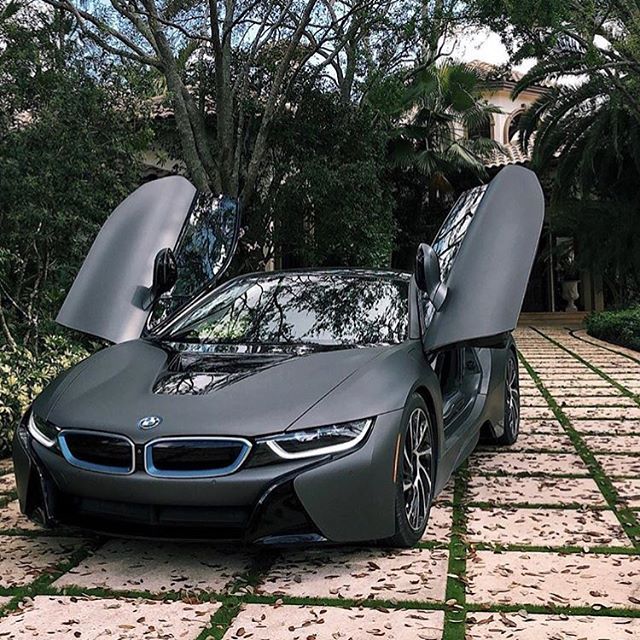
The BMW i8 is a plug-in hybrid sports car that was produced by the German automaker BMW from 2014 to 2020. It was unveiled as a concept car at the Frankfurt Motor Show in 2009 and later went into production in 2014. The i8 was part of BMW’s “i” sub-brand, which focused on developing electric and plug-in hybrid vehicles.
The BMW i8 featured a futuristic and aerodynamic design, with a low-slung body and dihedral doors that opened upwards. It combined a 1.5-liter three-cylinder gasoline engine with an electric motor and a lithium-ion battery pack. The gasoline engine drove the rear wheels, while the electric motor powered the front wheels, providing an all-wheel-drive setup.
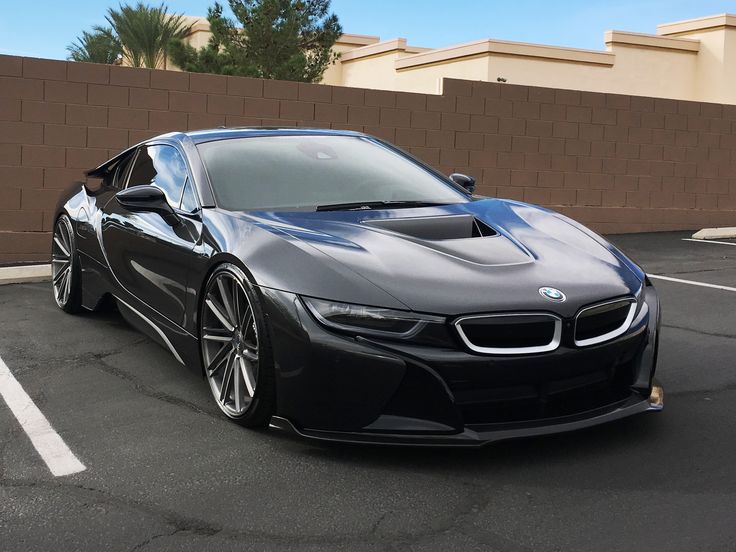
The total power output of the BMW i8 was 369 horsepower, allowing it to accelerate from 0 to 60 miles per hour in around 4 seconds. The car also had a top speed of 155 miles per hour. It offered different driving modes, including an all-electric mode for short distances and a hybrid mode that utilized both the gasoline engine and the electric motor.
One notable feature of the BMW i8 was its lightweight construction, which incorporated carbon fiber reinforced plastic (CFRP) for the passenger cell and aluminum components for the chassis. This helped to offset the weight of the hybrid drivetrain and contributed to the car’s performance and efficiency.
The BMW i8 received praise for its striking design, exhilarating performance, and advanced technology. It was seen as a showcase for BMW’s commitment to sustainable mobility and was one of the first plug-in hybrid sports cars to enter the market.
BMW has discontinued the production of the i8. They have shifted their focus to other electric and plug-in hybrid vehicles, such as the i3 and the iX models, as part of their broader electrification strategy.
If you are interested you should read about BMW E46
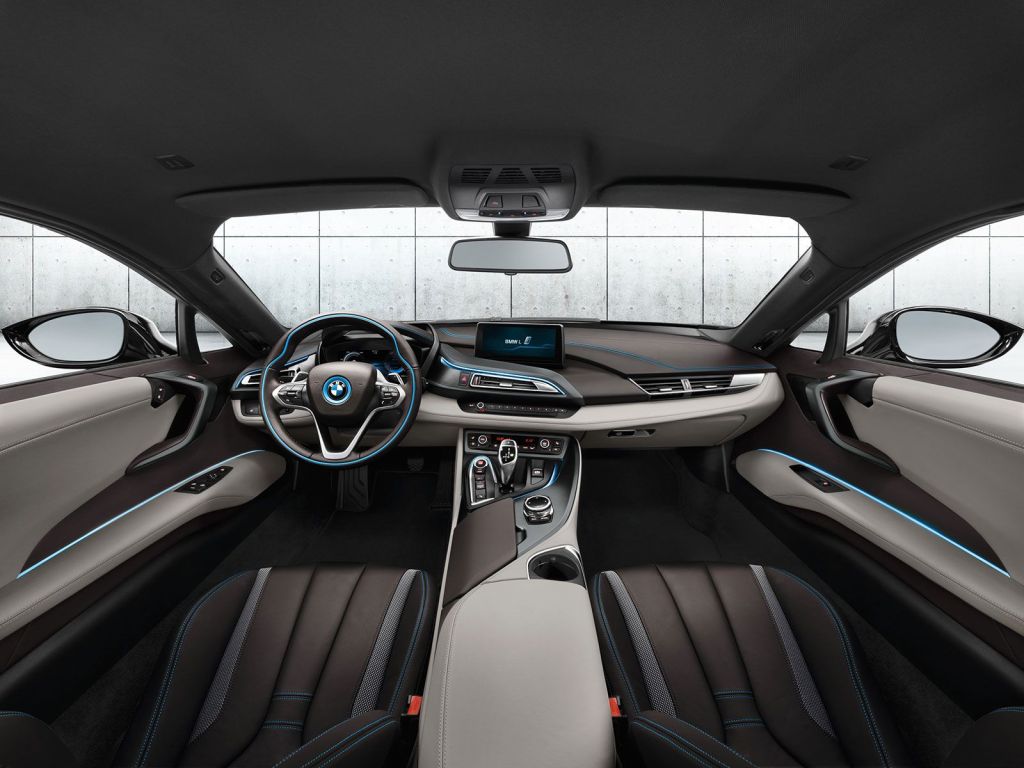
BMW i8 interior
The interior of the BMW i8 is designed to match its futuristic and sporty exterior. It features a driver-focused cockpit with a blend of high-quality materials and advanced technology.
The seats in the i8 are sporty and supportive, providing a comfortable driving experience. They are typically upholstered in leather or a combination of leather and synthetic materials, with various color options available. The interior trim can also be customized with different finishes, such as carbon fiber or aluminum accents, to enhance the sporty and upscale feel.
The dashboard design is sleek and modern, featuring a combination of digital and analog displays. There is a digital instrument cluster behind the steering wheel that provides essential driving information, such as speed, battery charge level, and navigation instructions. In the center of the dashboard, there is typically a high-resolution infotainment display that allows the driver and passengers to access various vehicle functions, entertainment options, and navigation features.
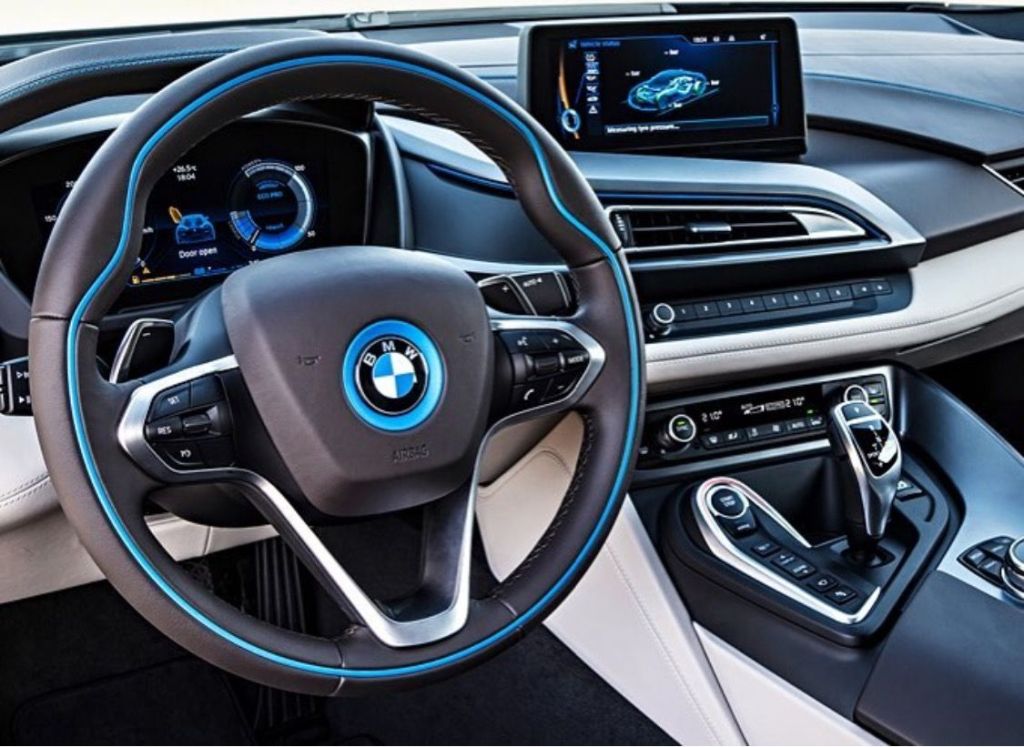
The i8 also incorporates BMW’s iDrive system, which is a controller knob located on the center console that enables intuitive control of the infotainment system. It can be used to navigate menus, select options, and operate various functions without having to reach for the touchscreen display.
Other notable interior features of the BMW i8 include automatic climate control, a premium audio system, and connectivity options such as Bluetooth and USB ports for smartphone integration. The cabin generally provides a futuristic atmosphere with its ambient lighting options and attention to detail in terms of materials and finishes.
It’s important to note that the specific features and design elements of the BMW i8’s interior may vary depending on the model year and individual customization options chosen by the owner.
I recommend to read about The Most Iconic Porsche Models of All Time
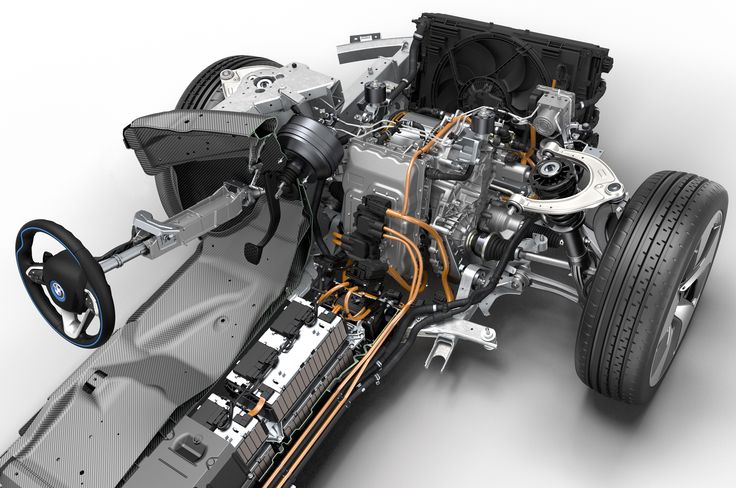
BMW i8 engine and battery (electric motor)
Here are the key points about the BMW i8’s engine and battery:
Engine:
- 1.5-liter, three-cylinder gasoline engine.
- Turbocharged.
- Produces around 228 horsepower and 236 lb-ft of torque.
- Mounted at the rear of the vehicle.
- Drives the rear wheels.
Battery:
- Lithium-ion battery pack.
- Capacity of around 11.6 kWh.
- Located in the center tunnel of the vehicle.
- Powers the electric motor.
- Provides an all-electric driving range of approximately 15 to 20 miles.
- Supports regenerative braking for energy recapture.
The BMW i8 featured a hybrid powertrain that combined an internal combustion engine with an electric motor and a battery pack.
The internal combustion engine used in the i8 was a 1.5-liter, three-cylinder gasoline engine. It was turbocharged and capable of producing around 228 horsepower and 236 lb-ft of torque. The engine was mounted at the rear of the vehicle and drove the rear wheels.
In addition to the gasoline engine, the i8 also incorporated an electric motor. The electric motor produced around 141 horsepower and 184 lb-ft of torque and was mounted at the front of the vehicle, driving the front wheels. This setup gave the i8 an all-wheel-drive capability.
The electric motor was powered by a lithium-ion battery pack, which was located in the center tunnel of the vehicle for optimal weight distribution. The battery pack had a capacity of around 11.6 kWh and provided an all-electric driving range of approximately 15 to 20 miles, depending on driving conditions.
The BMW i8 offered different driving modes that allowed the driver to choose between pure electric mode, hybrid mode, and a mode that utilized both the gasoline engine and electric motor for maximum performance. The vehicle also featured regenerative braking, which helped to recharge the battery pack by capturing energy during deceleration and braking.
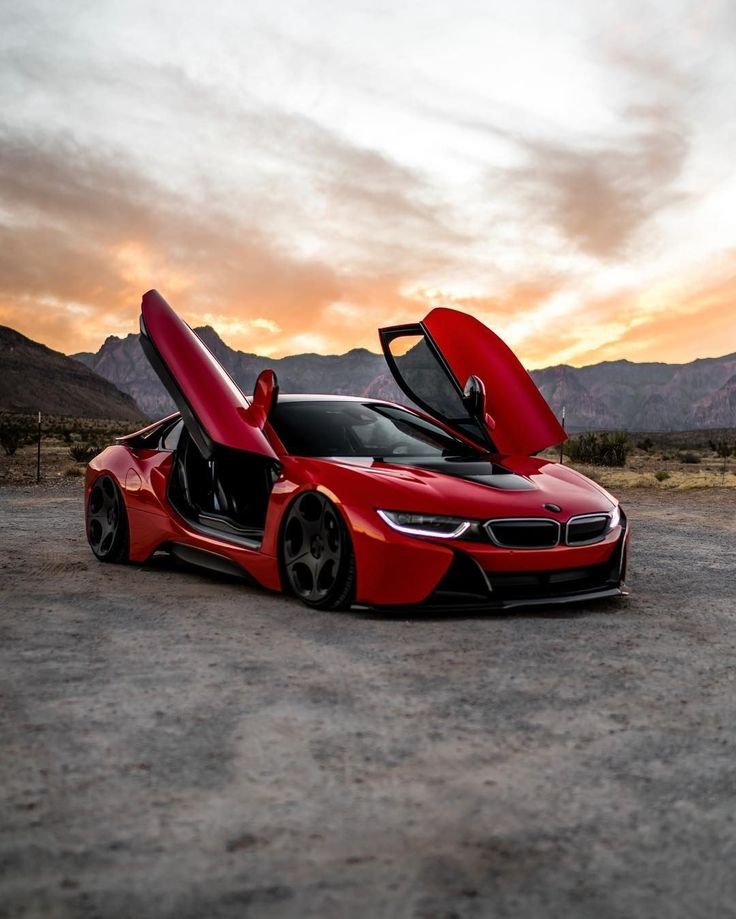
BMW i8 Cons
While the BMW i8 has many positive aspects, there are also some potential drawbacks or considerations to keep in mind:
- Limited electric-only range: The all-electric driving range of the i8 is relatively modest, ranging from around 15 to 20 miles. This means that for longer trips, the vehicle will rely more on its gasoline engine, reducing the overall fuel efficiency and environmental benefits.
- Limited rear seating and cargo space: The i8 is a 2+2 sports car, which means it has a small rear seating area. While it can accommodate passengers in the back, the space is limited and not as comfortable as the front seats. Additionally, the cargo space is also limited, with a small trunk that may not be suitable for carrying large items.
- Firm ride and limited comfort: The i8 is a sports car with a focus on performance, which means the suspension is tuned for sporty handling. This can result in a firm ride, which may not be as comfortable for everyday driving or on rough roads.
- Higher price point: The BMW i8 is a premium sports car with advanced hybrid technology, and as such, it comes with a higher price tag compared to conventional vehicles. The initial purchase price, as well as maintenance and repair costs, may be higher than average.
- Aging technology: The i8 was initially introduced in 2014 and discontinued in 2020. While it was a pioneering model for BMW’s “i” sub-brand, the technology and features may not be as cutting-edge compared to newer electric or hybrid vehicles on the market. It’s important to consider this if you prioritize the latest advancements in electric vehicle technology.


BMW M10 Engine
For over two decades, one engine formed the beating heart of BMW’s rise from niche manufacturer to global performance powerhouse: the venerable M10. This rugged, versatile, and incredibly tunable four-cylinder is a cornerstone of BMW history, powering everything from humble sedans to championship-winning race cars and even laying the foundation for the iconic M1 supercar. This…


Honda R-Series Engine: Your Complete Guide
Picture an engine family so versatile it powers everything from Tokyo commuter cars to American SUVs – all while delivering near-hybrid efficiency without a battery. That’s the Honda R-Series: the unsung hero in 20+ million vehicles since 2006. Forget the flashy K-Series – this is Honda’s real-world engineering masterpiece. We’ll dissect every engine, including the overlooked R16A/B, and…

Honda K-Series Engine: Full Guide
two things you can’t beat: your wife when she’s pregnant and a tuned Honda K engine, they make it much harder for other car manufactures to compete with such a cheap and powerful engine. drop it in your noisy civic and boom you are on the same level with mustangs. this engine family spans over…

Honda J-Series Engine
Since its debut in the late 1990s, this V6 engine series has powered everything from sleek sedans like the Honda Accord and Acura TL to rugged SUVs like the Pilot and Odyssey. In this definitive guide, we’ll explore every J-Series variant, their technical specs, tuning potential, maintenance secrets, and FAQs. Whether you’re a Honda enthusiast, mechanic,…

Honda H-Series Engine
From the screaming H22A in the Prelude SiR to the torquey H25A in the Odyssey, this series has powered some of Honda’s most iconic models. In this exhaustive guide, we cover every H-Series variant, including overlooked engines, with precise specs, tuning insights, and FAQs backed by in-depth research. Honda H-Series Evolution The H-Series debuted in 1992 with…
 Car Community
Leave a comment