

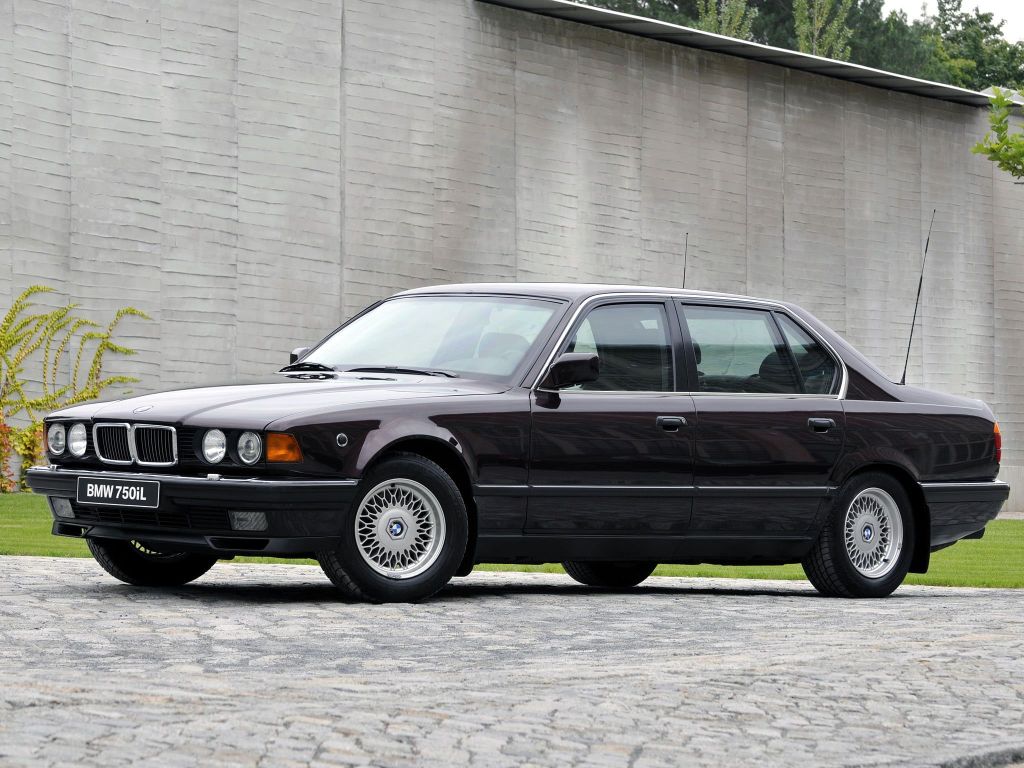
The BMW E32 is a luxury vehicle model that was part of the BMW 7 Series, which is the flagship line of luxury sedans produced by the German automaker BMW. The E32 generation was produced from 1986 to 1994.
Here are some key features and information about the BMW E32:
- Design: The E32 featured a classic and elegant design, characterized by its smooth lines and aerodynamic shape. It had a spacious and luxurious interior, offering a high level of comfort for both the driver and passengers.
- Engine Options: The E32 was available with a range of engine options, including both gasoline and diesel variants. The gasoline engines included inline-six, V8, and V12 engines, offering a balance of power and performance. The diesel engines provided better fuel efficiency and were popular in European markets.
- Technology and Features: The E32 introduced several advanced features and technologies for its time. These included features like an onboard computer, electronic climate control, traction control, anti-lock brakes, and self-leveling suspension. It also offered optional features such as a built-in telephone and a navigation system.
- Safety: BMW focused on safety in the E32, equipping it with a variety of safety features. These included driver and passenger airbags, seatbelt pretensioners, and anti-lock brakes (ABS). The E32 was also designed with a rigid body structure to enhance occupant protection.
- Long-Wheelbase Version: The E32 was also available in a long-wheelbase version known as the E32 L. The L model offered additional rear legroom, making it popular with customers who preferred to be chauffeur-driven.
- Legacy: The E32 is considered a significant model in BMW’s history, as it introduced many technological advancements and set the standard for luxury sedans in its time. It paved the way for future generations of the BMW 7 Series and influenced the design and features of subsequent BMW models.

E32 was a luxury sedan that combined comfort, performance, and advanced features. It remains a popular choice among BMW enthusiasts and collectors due to its classic design and historical significance.
If you are interested you should read about BMW E46
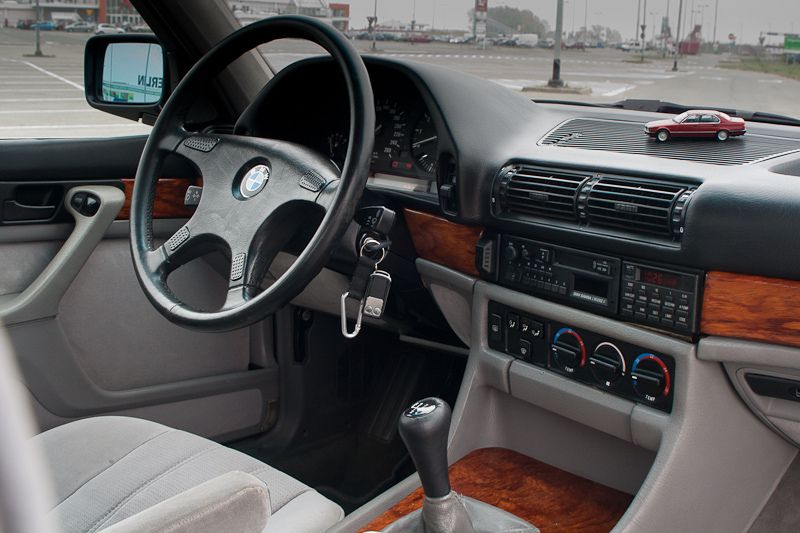
BMW E32 interior
The interior of the BMW E32 was designed to provide a luxurious and comfortable driving experience. Here are some features and elements you would typically find in the E32’s interior:
- Dashboard and Instrumentation: The dashboard featured a clean and elegant design with a driver-centric layout. It typically had a combination of analog and digital instrument clusters, providing information such as speed, fuel level, engine temperature, and other relevant data. The controls and buttons were well-placed and intuitive to use.
- Seating and Upholstery: The E32 offered spacious seating for both the driver and passengers. The seats were well-cushioned and provided good support, especially in higher-end models that had adjustable features. Leather upholstery was commonly used, offering a luxurious and premium feel. The seating arrangement varied depending on the model, with options for bench seating or individual seats in the rear.
- Center Console and Controls: The center console housed various controls and features. It typically included the climate control system, audio system controls, and other convenience features. The layout of the controls was designed to be easily accessible to the driver and front passenger.
- Steering Wheel: The steering wheel in the E32 was typically leather-wrapped and featured various controls for functions such as audio volume, cruise control, and phone operation. It offered a comfortable grip and provided a range of adjustment options for personalized positioning.
- Wood Trim and Accents: The E32 often featured wood trim and accents throughout the interior, adding a touch of elegance and sophistication. Wood was commonly used on the dashboard, door panels, and center console, complementing the luxurious ambiance.
- Entertainment and Technology: The E32 offered various entertainment and technology features for its time. These included options for premium sound systems, CD players, and in some cases, a built-in telephone system. Higher-end models may have included additional features such as a rear-seat entertainment system.
- Storage and Cargo Space: The E32 provided ample storage options, including glove compartments, door pockets, and center console storage. The trunk space was also generous, allowing for luggage and cargo to be transported comfortably.
I recommend to read about The Top 10 Porsche Cars for Collectors and Enthusiasts

BMW E32 Engine
The BMW E32 was available with a range of engine options, offering a balance of power, performance, and fuel efficiency. Here are some of the engine options that were available for the E32:
- Inline-Six Engines:
- 2.5-liter M20B25: This engine produced around 168 horsepower and was used in the 525i model.
- 3.0-liter M30B30: This engine produced around 188 horsepower and was used in the 730i/730iL model.
- 3.4-liter M30B34: This engine produced around 208 horsepower and was used in the 735i/735iL model.
Read about the M30 Engine
- V8 Engines:
- 3.0-liter M60B30: This engine produced around 218 horsepower and was used in the 730i/730iL model.
- 4.0-liter M60B40: This engine produced around 282 horsepower and was used in the 740i/740iL model.
- V12 Engines:
- 5.0-liter M70B50: This engine produced around 296 horsepower and was used in the 750i/750iL model.
- 5.6-liter S70B56: This engine produced around 316 horsepower and was used in the 750iL model (introduced later in the E32’s production).
It’s worth noting that power outputs and engine options may vary depending on the model year, market, and specific trim level. Additionally, some engine options were not available in certain regions.
These engines were known for their smooth performance and refined power delivery, contributing to the overall driving experience of the BMW E32.
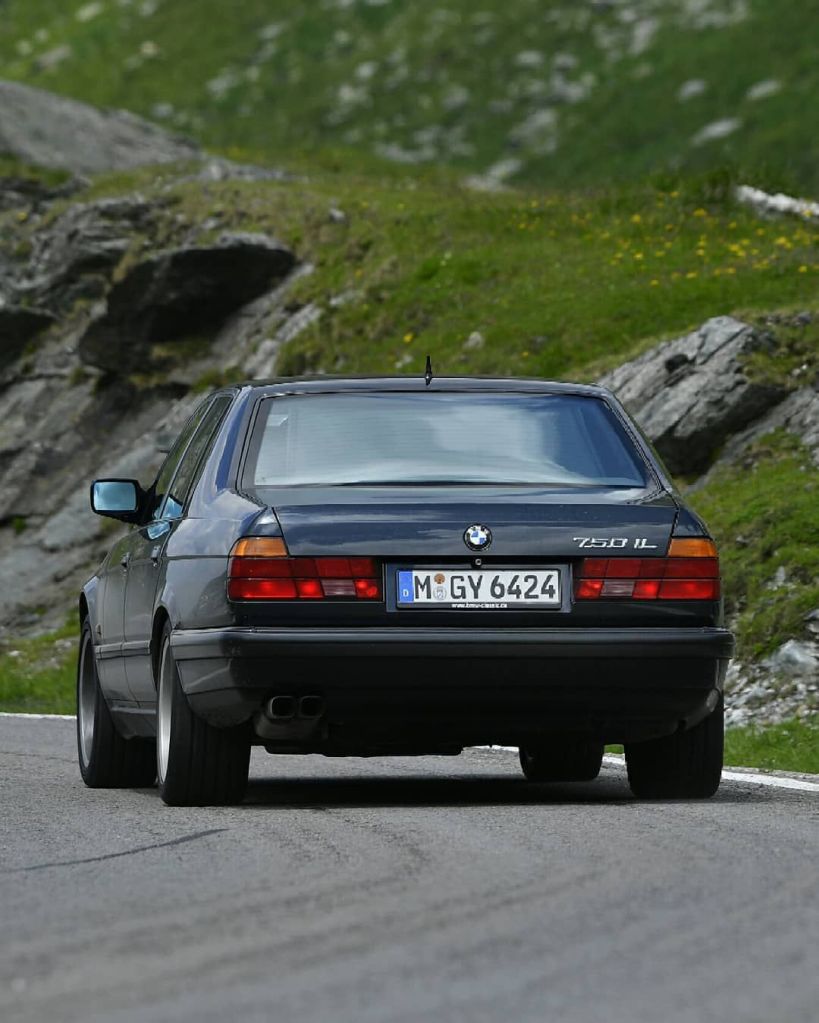
BMW E32 Cons
While the BMW E32 is generally regarded as a well-engineered and luxurious vehicle, there are a few common cons or drawbacks associated with this model. Here are some considerations:
- Reliability: The E32 has been known to have some reliability issues, especially with older models. Electrical problems, such as issues with the on-board computer and various sensors, have been reported. Additionally, some engine components, such as the timing chain or cooling system, may require periodic maintenance or replacement.
- Cost of Maintenance and Repairs: As a luxury vehicle, the maintenance and repair costs for the BMW E32 can be higher compared to non-luxury vehicles. Genuine BMW parts and labor from specialized technicians can be expensive. It’s important to budget for these costs and find a reputable mechanic who is knowledgeable about BMWs.
- Fuel Efficiency: The E32 is not particularly fuel-efficient, especially when equipped with larger engines or V8/V12 options. The fuel consumption can be higher compared to smaller, more fuel-efficient vehicles. This can result in higher fuel expenses, especially for those who do a lot of city driving or have long commutes.
- Complex Electronics: The E32 introduced advanced electronic systems and features for its time, but this complexity can lead to potential issues. Problems with the electronics or control modules can be difficult to diagnose and repair. Older models may also face challenges with finding compatible replacement parts for outdated technology.
- Limited Rear Legroom (Standard Wheelbase): The standard wheelbase version of the E32, especially in earlier models, may have limited rear legroom compared to some of its competitors or later BMW 7 Series models. This can be a consideration for those who prioritize rear passenger comfort or frequently travel with rear-seat passengers.
- Outdated Technology: As a vehicle produced from 1986 to 1994, the E32 may lack some of the modern technology and convenience features found in newer vehicles. This includes features such as advanced infotainment systems, smartphone integration, and driver-assistance technologies that have become commonplace in more recent models.
These cons should be considered alongside the E32’s strengths and personal preferences when evaluating the overall suitability of the vehicle. Conducting a thorough inspection and considering the vehicle’s maintenance history can help mitigate potential issues.

BMW M10 Engine
For over two decades, one engine formed the beating heart of BMW’s rise from niche manufacturer to global performance powerhouse: the venerable M10. This rugged, versatile, and incredibly tunable four-cylinder is a cornerstone of BMW history, powering everything from humble sedans to championship-winning race cars and even laying the foundation for the iconic M1 supercar. This…


Honda R-Series Engine: Your Complete Guide
Picture an engine family so versatile it powers everything from Tokyo commuter cars to American SUVs – all while delivering near-hybrid efficiency without a battery. That’s the Honda R-Series: the unsung hero in 20+ million vehicles since 2006. Forget the flashy K-Series – this is Honda’s real-world engineering masterpiece. We’ll dissect every engine, including the overlooked R16A/B, and…

Honda K-Series Engine: Full Guide
two things you can’t beat: your wife when she’s pregnant and a tuned Honda K engine, they make it much harder for other car manufactures to compete with such a cheap and powerful engine. drop it in your noisy civic and boom you are on the same level with mustangs. this engine family spans over…

Honda J-Series Engine
Since its debut in the late 1990s, this V6 engine series has powered everything from sleek sedans like the Honda Accord and Acura TL to rugged SUVs like the Pilot and Odyssey. In this definitive guide, we’ll explore every J-Series variant, their technical specs, tuning potential, maintenance secrets, and FAQs. Whether you’re a Honda enthusiast, mechanic,…

Honda H-Series Engine
From the screaming H22A in the Prelude SiR to the torquey H25A in the Odyssey, this series has powered some of Honda’s most iconic models. In this exhaustive guide, we cover every H-Series variant, including overlooked engines, with precise specs, tuning insights, and FAQs backed by in-depth research. Honda H-Series Evolution The H-Series debuted in 1992 with…
 Car Community
Leave a comment