

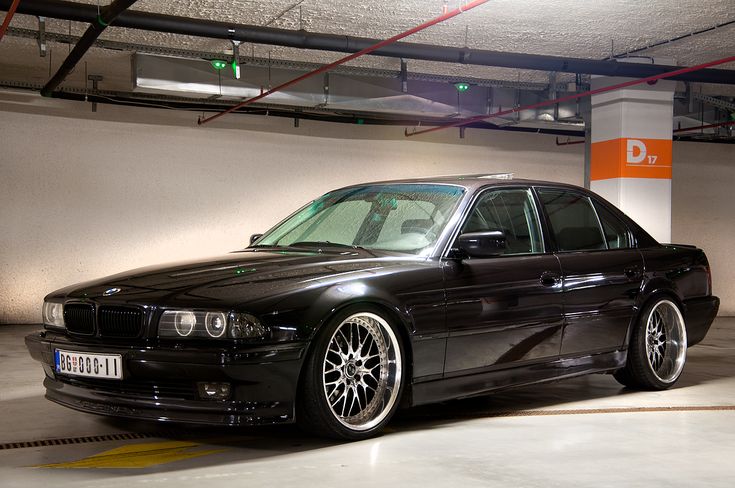
The BMW E38 refers to the fourth generation of the BMW 7 Series, which was produced from 1994 to 2001. It was a full-size luxury sedan that offered a combination of comfort, performance, and advanced features. Here are some key features and information about the BMW E38:
- Design: The E38 featured a sleek and elegant design with clean lines, a wide grille, and distinctive headlights. It had a strong presence on the road and a well-proportioned body.
- Engine Options: The E38 was available with a range of engine options, including both petrol and diesel engines. The petrol engines included inline-six, V8, and V12 configurations, offering varying levels of power and performance. The diesel engine options were more limited.
- Performance: The E38 was known for its impressive performance capabilities. The more powerful V8 and V12 engines provided excellent acceleration and high-speed cruising capabilities. It also had advanced suspension technology, ensuring a smooth and comfortable ride.
- Technology: The E38 featured a range of advanced technologies for its time. It had features such as an onboard computer, automatic climate control, a satellite navigation system, and a premium sound system. It also introduced the iDrive system, which became a prominent feature in later BMW models.
- Safety: Safety was a priority for the E38, and it incorporated several safety features. It had front and side airbags for the driver and passengers, stability control, traction control, and antilock braking system (ABS). Additionally, it had a rigid body structure designed to protect occupants in the event of a collision.
- Long Wheelbase Version: In addition to the standard wheelbase version, BMW also offered a long wheelbase variant of the E38. The long wheelbase version provided extra legroom for rear passengers, making it an ideal choice for those seeking additional comfort.
E38 remains a popular choice among enthusiasts and collectors due to its timeless design, strong performance, and luxurious features.
If you are interested you should read about BMW E46
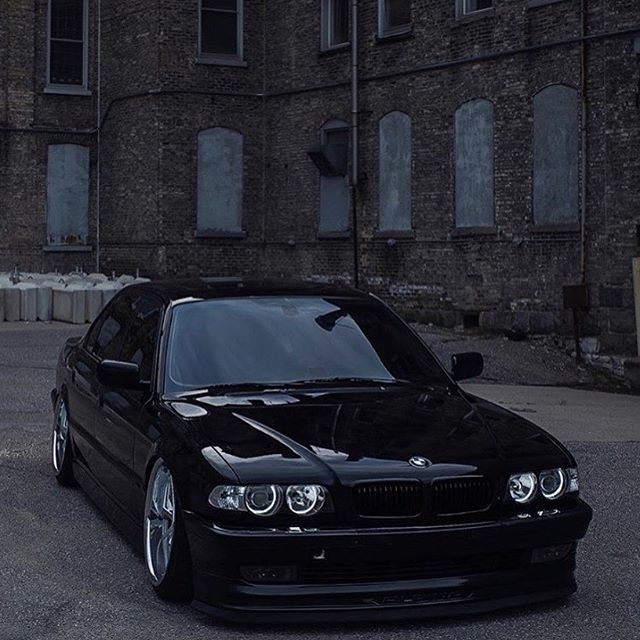
BMW E38 price
The BMW E38 is considered a classic and desirable model, which can influence its price. Generally, E38 prices can range from a few thousand dollars for older, higher-mileage examples in fair condition to tens of thousands of dollars for well-maintained, low-mileage models or special variants.
Factors that can affect the pricing of a BMW E38 include:
- Model Year: The newer the model year, the higher the price is likely to be.
- Condition: A well-maintained E38 with minimal cosmetic and mechanical issues will typically command a higher price than one in poor condition.
- Mileage: Lower mileage vehicles tend to be priced higher than those with higher mileage, all else being equal.
- Optional Features: The presence of additional optional features, such as upgraded audio systems, premium leather upholstery, or advanced technology packages, can impact the price.
- Rarity: Certain limited-production or special edition E38 models may have higher price tags due to their exclusivity.
It’s recommended to search for used car listings on reputable websites or consult with local dealerships or BMW enthusiast communities to obtain specific pricing information for the BMW E38 in your area.
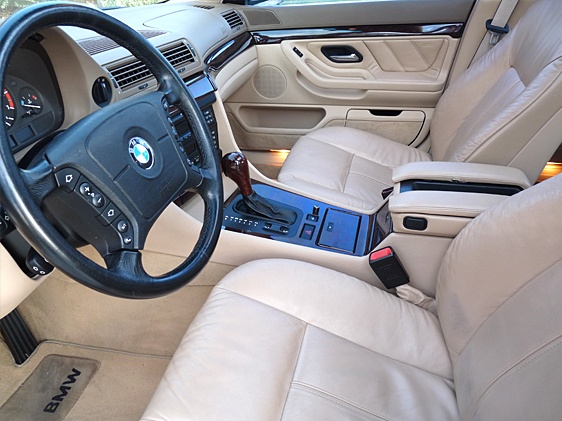
BMW E38 interior
The interior of the BMW E38 was designed to provide a luxurious and comfortable driving experience. Here are some key features and characteristics of the E38’s interior:
- Design and Materials: The interior of the E38 was crafted with high-quality materials and attention to detail. It featured a clean and elegant design, with a focus on ergonomic placement of controls and instruments. Plush leather upholstery, wood trim, and soft-touch surfaces were commonly used, creating a refined and upscale ambiance.
- Seating and Comfort: The E38 offered spacious seating for both the driver and passengers. The front seats were typically power-adjustable, providing multiple settings for personalized comfort. Some models even featured optional ventilated seats with heating and cooling functions. In the rear, there was ample legroom, especially in the long wheelbase variants, making it a comfortable vehicle for rear passengers as well.
- Dashboard and Instrumentation: The dashboard of the E38 showcased a classic and driver-focused layout. It featured clear and easy-to-read gauges, including a speedometer, tachometer, fuel gauge, and temperature gauge. The center console housed various controls, including the climate control system, audio controls, and the iDrive system in later models. Wood accents and chrome trim were often used to enhance the luxurious feel.
- Technology and Features: The E38 boasted a range of advanced features and technologies for its time. Some notable features included:
- Onboard computer: The E38 had an onboard computer that provided information such as fuel consumption, distance to empty, and average speed.
- Audio System: It offered a premium sound system, usually from renowned audio manufacturers like Harman Kardon or Bose. CD changers, cassette players, and later models might have included options for MP3 or Bluetooth connectivity.
- iDrive System: In later model years, the E38 introduced the iDrive system, which integrated various vehicle functions and settings into a central control interface. It featured a display screen and a controller knob that allowed the driver to navigate through menus and access different settings.
- Navigation System: Some E38 models were equipped with a built-in satellite navigation system to assist with route guidance.
- Storage and Cargo Space: The E38 provided ample storage compartments throughout the cabin, including door pockets, center console storage, and glove compartments. The trunk space was also generous, allowing for sufficient cargo capacity.
I recommend to read about BMW i3
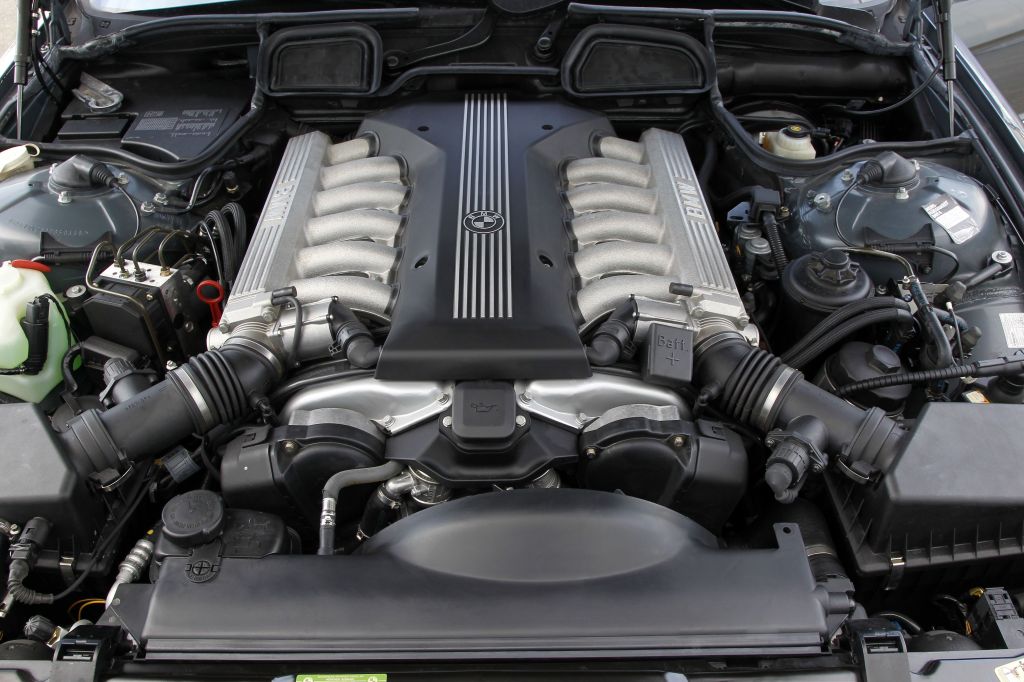
BMW E38 engine
The BMW E38 was available with a range of engine options, offering different levels of power and performance to suit various preferences. Here are some of the engine options that were available for the E38:
- Inline-Six Engines:
- 2.8-liter M52B28: This engine produced around 190 horsepower (hp) and 207 lb-ft of torque. It offered smooth power delivery and good fuel efficiency.
- 3.0-liter M52TUB30: This engine produced approximately 228 hp and 221 lb-ft of torque. It provided improved performance compared to the 2.8-liter variant.
- V8 Engines:
- 3.5-liter M60B35: This engine was available in early E38 models and produced around 232 hp and 254 lb-ft of torque.
- 4.0-liter M60B40: This engine was used in later E38 models and generated approximately 282 hp and 295 lb-ft of torque.
- 4.4-liter M62B44: This engine offered increased power, producing around 282 hp and 310 lb-ft of torque.
- V12 Engines:
- 5.4-liter M73B54: This engine was available in the E38 750i and 750iL models. It produced approximately 322 hp and 361 lb-ft of torque, offering strong performance and smooth power delivery.
- 6.0-liter M73TUB60: This engine was used in the E38 760i and 760iL models. It generated around 438 hp and 444 lb-ft of torque, making it the most powerful engine option available for the E38.

BMW E38 Cons
While the BMW E38 is generally regarded as a high-quality luxury vehicle, there are a few common drawbacks or cons that owners and potential buyers should be aware of:
- Cost of Maintenance: As a luxury vehicle, the BMW E38 can have higher maintenance and repair costs compared to mainstream cars. Parts and labor for BMW vehicles tend to be more expensive, which can impact the overall ownership costs.
- Complex Electronics: The E38 introduced some advanced electronic systems for its time, such as the iDrive system in later models. While these features can enhance the driving experience, they can also be prone to issues and malfunctions. Repairing or replacing faulty electronic components can be costly.
- Aging Technology: The E38 was produced between 1994 and 2001, and as such, the technology and features may not be as up-to-date as more modern vehicles. For example, the navigation system may lack the accuracy and convenience of current GPS systems, and the audio system may not have the latest connectivity options.
- Fuel Efficiency: The larger engine options available for the E38, particularly the V8 and V12 engines, tend to be less fuel-efficient compared to smaller engines or hybrid options. This can result in higher fuel consumption and increased running costs.
- Limited Rear Seat Space (Standard Wheelbase): While the E38 offers a spacious interior, the standard wheelbase version may have slightly limited rear seat space compared to some competitors. If rear passenger comfort is a priority, opting for the long wheelbase variant is recommended.
- Potential Mechanical Issues: While the E38 is generally regarded as a reliable vehicle, like any used car, it may be susceptible to age-related mechanical issues. Common issues can include problems with the cooling system, suspension components, or electrical system. Regular maintenance and inspections are important to address and prevent potential issues.

BMW M10 Engine
For over two decades, one engine formed the beating heart of BMW’s rise from niche manufacturer to global performance powerhouse: the venerable M10. This rugged, versatile, and incredibly tunable four-cylinder is a cornerstone of BMW history, powering everything from humble sedans to championship-winning race cars and even laying the foundation for the iconic M1 supercar. This…


Honda R-Series Engine: Your Complete Guide
Picture an engine family so versatile it powers everything from Tokyo commuter cars to American SUVs – all while delivering near-hybrid efficiency without a battery. That’s the Honda R-Series: the unsung hero in 20+ million vehicles since 2006. Forget the flashy K-Series – this is Honda’s real-world engineering masterpiece. We’ll dissect every engine, including the overlooked R16A/B, and…

Honda K-Series Engine: Full Guide
two things you can’t beat: your wife when she’s pregnant and a tuned Honda K engine, they make it much harder for other car manufactures to compete with such a cheap and powerful engine. drop it in your noisy civic and boom you are on the same level with mustangs. this engine family spans over…

Honda J-Series Engine
Since its debut in the late 1990s, this V6 engine series has powered everything from sleek sedans like the Honda Accord and Acura TL to rugged SUVs like the Pilot and Odyssey. In this definitive guide, we’ll explore every J-Series variant, their technical specs, tuning potential, maintenance secrets, and FAQs. Whether you’re a Honda enthusiast, mechanic,…

Honda H-Series Engine
From the screaming H22A in the Prelude SiR to the torquey H25A in the Odyssey, this series has powered some of Honda’s most iconic models. In this exhaustive guide, we cover every H-Series variant, including overlooked engines, with precise specs, tuning insights, and FAQs backed by in-depth research. Honda H-Series Evolution The H-Series debuted in 1992 with…
 Car Community
Leave a comment