


The BMW F01 and F02 are part of the BMW 7 Series, which was produced from 2008 to 2015. The F01 refers to the standard-wheelbase version, while the F02 designates the long-wheelbase variant. Here are some key features and information about the BMW F01/F02:
- Design: The F01/F02 7 Series featured a modern and elegant design, blending sportiness with luxury. It had a distinctive front grille, sleek headlights, and a streamlined body shape. The long-wheelbase F02 had extended rear doors and additional rear legroom for enhanced passenger comfort.
- Engines: The F01/F02 7 Series offered a range of engine options, including petrol, diesel, and hybrid powertrains. The available engines varied depending on the market, but some of the notable options included inline-six, V8, and V12 engines. These engines provided a balance between power and efficiency, with the top-of-the-line models offering impressive performance.
- Interior: The F01/F02 boasted a luxurious and well-appointed interior. It featured high-quality materials, including leather upholstery, wood or aluminum trim, and soft-touch surfaces. The cabin was designed to provide a comfortable and premium driving experience, with advanced features and technologies.
- Technology and Features: The F01/F02 7 Series incorporated a range of advanced technologies and features. These included the iDrive infotainment system with a central display screen, which allowed control of various vehicle functions such as navigation, audio, and settings. Other available features included a premium sound system, adaptive cruise control, a heads-up display, rear-seat entertainment, and advanced safety systems.
- Driving Dynamics: The F01/F02 aimed to provide a balance between luxury and sporty driving dynamics. The chassis and suspension were designed to offer a comfortable ride while maintaining good handling characteristics. Optional features such as adaptive suspension and active steering further enhanced the driving experience.
- Updates and Facelift: In 2012, the F01/F02 received a mid-cycle refresh, which brought some design updates and technology enhancements. The headlights and taillights were revised, and the interior received some refinements. Additionally, engine options were updated to improve performance and efficiency.

The BMW F01/F02 7 Series offered a blend of luxury, advanced technologies, and driving performance. It catered to those seeking a high-end executive sedan with a focus on comfort and prestige.
If you are interested you should read about BMW E46

BMW F01/F02 price
Keep in mind that the following price ranges are approximate and can vary significantly:
- For older or higher-mileage F01/F02 models (around 2008-2010), you may find listings starting from around $10,000 to $20,000.
- For mid-range model years (2011-2013) with average mileage and good overall condition, prices typically range from $20,000 to $35,000.
- Newer or low-mileage F01/F02 models (2014-2015) with additional features and in excellent condition can have prices starting from around $35,000 and going up to $60,000 or more.
I recommend to read about BMW i3

BMW F01/F02 interior
Here are some key aspects of the F01/F02 interior:
- Design and Materials: The interior of the F01/F02 7 Series showcased a blend of elegance and modernity. It featured a clean and contemporary design with a focus on driver and passenger comfort. High-quality materials such as leather upholstery, wood or aluminum trim, and soft-touch surfaces were used throughout the cabin, providing a premium feel.
- Seating and Comfort: The F01/F02 offered spacious and comfortable seating for both the driver and passengers. The front seats typically featured power-adjustability and multiple settings, including heating, ventilation, and massage functions. Rear-seat passengers, especially in the long-wheelbase F02 models, enjoyed ample legroom and available features like rear-seat entertainment and reclining seats.
- Dashboard and Instrumentation: The dashboard of the F01/F02 had a sleek and driver-oriented design. It typically featured a combination of analog gauges, including a speedometer and tachometer, along with a multifunction digital display. The center console housed various controls for climate control, audio system, and the iDrive infotainment system.
- iDrive Infotainment System: The F01/F02 was equipped with the iDrive system, which included a central display screen and a rotary controller. The iDrive system allowed easy access and control of various vehicle functions, including navigation, audio, communication, and vehicle settings. It offered a user-friendly interface and was complemented by physical buttons and voice commands.
- Technology and Features: The F01/F02 boasted a range of advanced technologies and features. Some notable features included:
- Navigation System: The F01/F02 offered an integrated navigation system to assist with route guidance and real-time traffic information.
- Premium Audio Systems: High-quality audio systems, such as the optional Bang & Olufsen or Harman Kardon systems, provided immersive sound quality.
- Adaptive Cruise Control: Certain F01/F02 models had adaptive cruise control, which maintained a set distance from the vehicle ahead.
- Head-Up Display: A heads-up display projected essential information, such as speed and navigation instructions, onto the windshield for easy viewing.
- Storage and Cargo Space: The F01/F02 provided ample storage compartments throughout the cabin, including door pockets, center console storage, and glove compartments. The trunk space was also generous, offering sufficient cargo capacity for a luxury sedan.

The interior of the BMW F01/F02 7 Series aimed to deliver a premium and comfortable experience for both the driver and passengers. It combined luxurious materials, advanced technology, and attention to detail to create a refined and enjoyable driving environment.
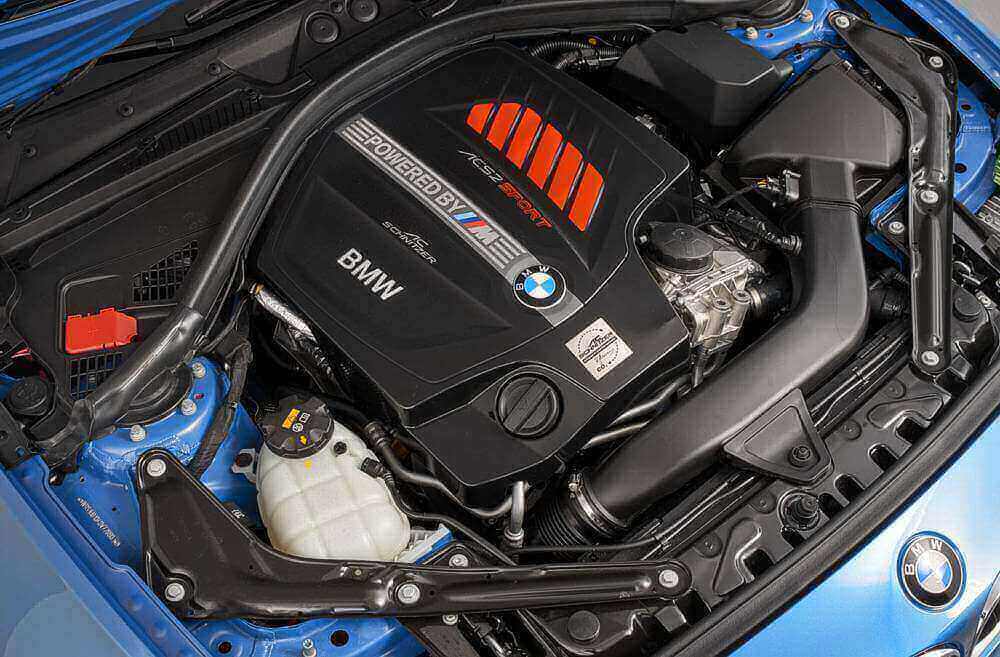
BMW F01/F02 engine
The specific engine options available may vary depending on the model year and regional markets. Here are some of the notable engine choices for the F01/F02:
- Petrol Engines:
- 3.0-liter N55B30: This inline-six engine produced around 315 horsepower (hp) and 330 lb-ft of torque. It offered a good balance of power and efficiency.
- 4.4-liter N63B44: This V8 engine generated approximately 400 hp and 450 lb-ft of torque. It delivered strong and smooth acceleration.
- 4.4-liter N63B44TU: This twin-turbocharged V8 engine was an upgraded version of the N63, available in later models. It produced around 445 hp and 480 lb-ft of torque, offering enhanced performance.
- 6.0-liter N74B60: This V12 engine was available in high-performance models like the 760Li. It generated approximately 535 hp and 550 lb-ft of torque, providing exceptional power and performance.
- Diesel Engines:
- 3.0-liter N57D30: This inline-six diesel engine came in different power outputs, ranging from around 245 hp and 413 lb-ft of torque to approximately 381 hp and 546 lb-ft of torque. The diesel engines offered strong torque and improved fuel efficiency.
- Hybrid Engine:
- ActiveHybrid 7: The F01/F02 also offered a hybrid variant called the ActiveHybrid 7. It combined a 3.0-liter inline-six gasoline engine with an electric motor, resulting in a total output of around 349 hp and 369 lb-ft of torque. The hybrid system provided improved fuel efficiency and reduced emissions.
It’s important to note that the availability of engine options can vary depending on the model year, trim level, and regional markets. Additionally, transmission options included both automatic and manual transmissions, with automatic transmissions being more common.
Each engine option offered its own characteristics in terms of power, performance, and efficiency. The choice of engine would depend on individual preferences and priorities, whether it be a balance of power and fuel efficiency or a focus on high-performance capabilities.
you should read about 13 Best Cars to Buy under $10k (those are the best options for this price)

BMW F01/F02 Cons
There are a few drawbacks or cons associated with this model that potential buyers should consider. Here are some common cons of the BMW F01/F02:
- Reliability and Maintenance Costs: The F01/F02 7 Series has been known to have higher maintenance and repair costs compared to some other luxury vehicles. The complex technology and advanced features can be prone to issues, requiring specialized repairs and expensive replacement parts. Regular maintenance and prompt repairs are crucial to minimize potential problems.
- Complex Electronics: The F01/F02 is equipped with a wide range of advanced electronic systems and features. While these technologies offer convenience and functionality, they can also be complex and prone to occasional malfunctions or glitches. Some owners have reported issues with the electronic modules, control units, and wiring, which may require diagnostic troubleshooting and repairs.
- Fuel Efficiency: The larger and more powerful engines available in the F01/F02, particularly the V8 and V12 options, tend to have lower fuel efficiency compared to smaller engines or hybrid alternatives. The higher fuel consumption can lead to increased running costs, especially for those who do a lot of city driving or have long daily commutes.
- iDrive System Complexity: The iDrive infotainment system, although highly capable, has been criticized for its complexity and learning curve. Navigating through the various menus and functions can be challenging for some users, especially in earlier versions of the F01/F02. However, it’s worth noting that BMW has made improvements to the iDrive system over the years, and later models may have a more user-friendly interface.
- Ride Comfort and Suspension: While the F01/F02 is designed to provide a comfortable ride, some owners have found the standard suspension setup to be on the firmer side, leading to a somewhat harsh ride over rough roads. However, it’s important to note that the optional adaptive suspension and active damping systems were available to improve ride quality and handling.
- Depreciation: Like many luxury vehicles, the F01/F02 models tend to experience significant depreciation over time. This means that their resale value can decrease relatively quickly compared to other vehicles. It’s important to consider the long-term value and potential depreciation when purchasing an F01/F02.


BMW M10 Engine
For over two decades, one engine formed the beating heart of BMW’s rise from niche manufacturer to global performance powerhouse: the venerable M10. This rugged, versatile, and incredibly tunable four-cylinder is a cornerstone of BMW history, powering everything from humble sedans to championship-winning race cars and even laying the foundation for the iconic M1 supercar. This…


Honda R-Series Engine: Your Complete Guide
Picture an engine family so versatile it powers everything from Tokyo commuter cars to American SUVs – all while delivering near-hybrid efficiency without a battery. That’s the Honda R-Series: the unsung hero in 20+ million vehicles since 2006. Forget the flashy K-Series – this is Honda’s real-world engineering masterpiece. We’ll dissect every engine, including the overlooked R16A/B, and…

Honda K-Series Engine: Full Guide
two things you can’t beat: your wife when she’s pregnant and a tuned Honda K engine, they make it much harder for other car manufactures to compete with such a cheap and powerful engine. drop it in your noisy civic and boom you are on the same level with mustangs. this engine family spans over…

Honda J-Series Engine
Since its debut in the late 1990s, this V6 engine series has powered everything from sleek sedans like the Honda Accord and Acura TL to rugged SUVs like the Pilot and Odyssey. In this definitive guide, we’ll explore every J-Series variant, their technical specs, tuning potential, maintenance secrets, and FAQs. Whether you’re a Honda enthusiast, mechanic,…

Honda H-Series Engine
From the screaming H22A in the Prelude SiR to the torquey H25A in the Odyssey, this series has powered some of Honda’s most iconic models. In this exhaustive guide, we cover every H-Series variant, including overlooked engines, with precise specs, tuning insights, and FAQs backed by in-depth research. Honda H-Series Evolution The H-Series debuted in 1992 with…
 Car Community
Leave a comment