

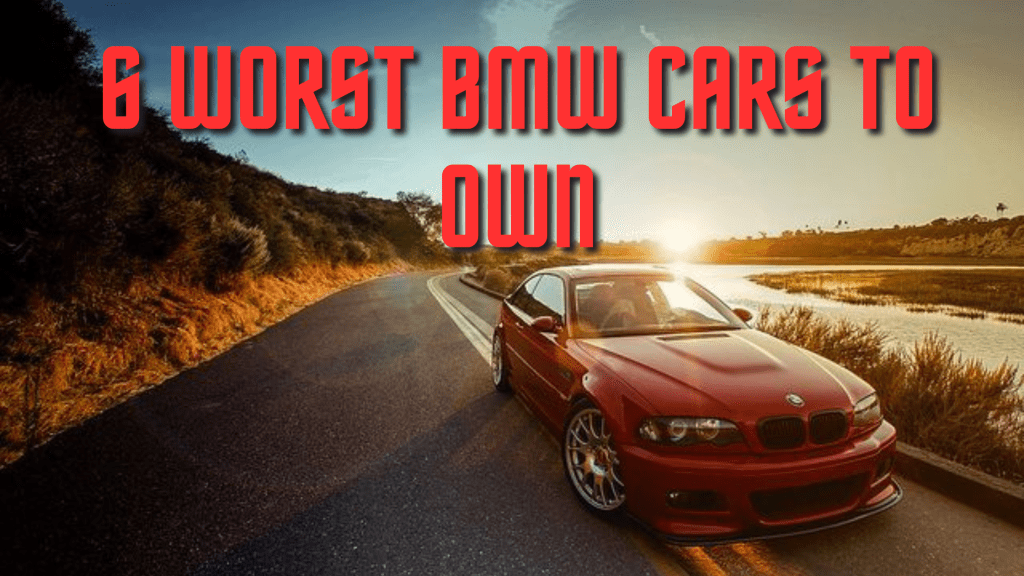
While BMW is known for producing high-quality luxury vehicles, not all BMW models have received the same level of praise or have proven to be reliable over the years. Keep in mind that opinions about the “worst” BMW cars can vary depending on individual experiences and preferences. That said, here are six BMW models that have received criticism for various reasons:
- BMW 7 Series (E65, E66, E67) – Produced from 2002 to 2008, these models have been criticized for their complex electronics and frequent maintenance issues, particularly with the iDrive infotainment system and suspension components.
- BMW 5 Series (E60, E61) – The E60 and E61 models produced from 2003 to 2010 have faced issues with their electronic systems, including the infamous “smoke issue” related to faulty tail lights and various engine problems.
- BMW X5 (E53) – The first-generation X5, produced from 1999 to 2006, faced criticism for its high repair costs and frequent issues with the air suspension system and transmission.
- BMW 3 Series (E46) – While the E46 (1998-2006) is a beloved BMW model for many enthusiasts, it has had its share of issues, including cooling system problems and subframe issues, particularly in early models.
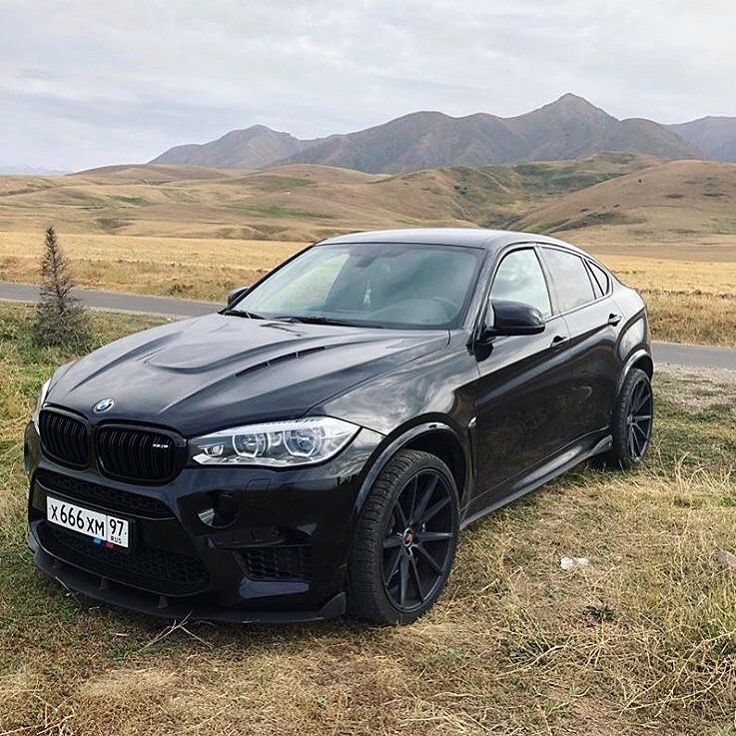
- BMW X6 – Some owners have found the X6 to be polarizing due to its coupe-like SUV design. It’s also criticized for its limited cargo space and relatively high starting price compared to other BMW SUVs.
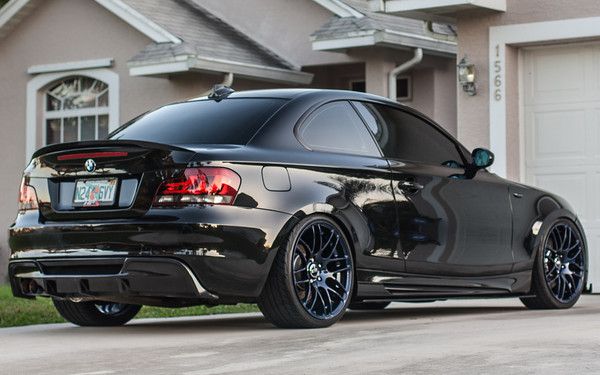
- BMW 1 Series (E81, E82, E87, E88) – The first-generation 1 Series, produced from 2004 to 2013, has faced criticism for its tight rear seating and lack of interior space compared to other BMW models. It also had some common issues with the N54 turbocharged engine.
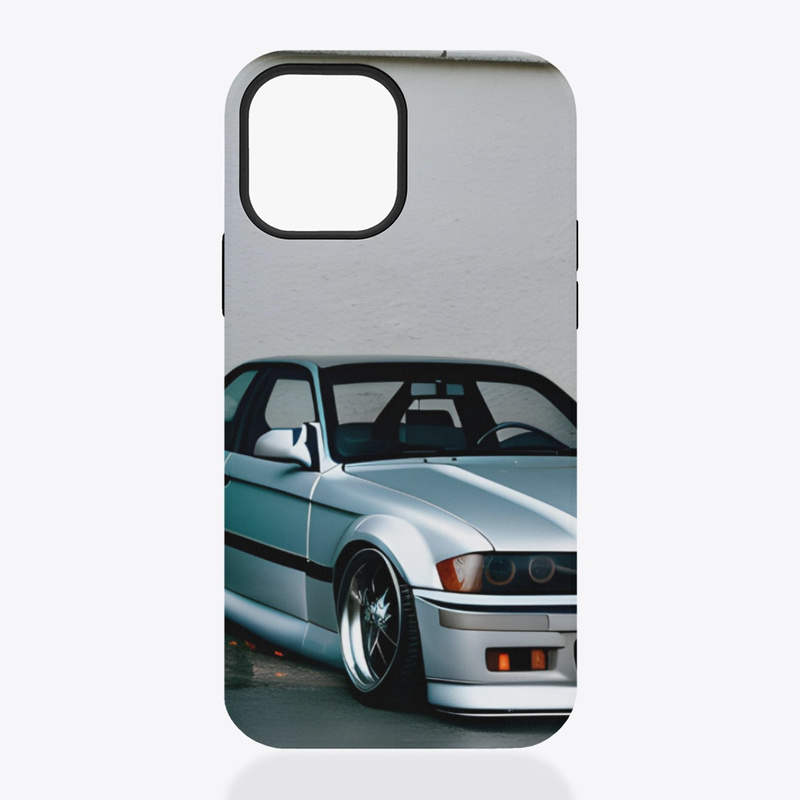
Ok… Let’s Continue

BMW 7 Series (E65, E66, E67)
The BMW 7 Series (E65, E66, E67) refers to the fourth generation of the BMW 7 Series luxury sedan, which was produced by the German automaker BMW from 2001 to 2008. The fourth-generation 7 Series introduced a number of significant changes and features compared to its predecessor, the E38.
Here are some key points about the E65, E66, and E67 models:
- Design: The E65 7 Series featured a bold and controversial design, characterized by its distinctive body lines, large kidney grilles, and “Bangle butt” rear end design. The E66 was the long-wheelbase variant, offering increased rear legroom, while the E67 was a high-security version with enhanced safety features.
- iDrive: The E65 7 Series was the first BMW model to feature the iDrive system, which is a central control interface for various vehicle functions such as navigation, climate control, and entertainment. The iDrive system received mixed reviews initially but has since become a standard feature in BMW vehicles.
- Technology: The E65 7 Series introduced several advanced technologies for its time, including adaptive headlights, active cruise control, active steering, and a head-up display. These features aimed to enhance safety, comfort, and driving experience.
- Engine Options: The E65 7 Series offered a range of engine options, including both petrol and diesel variants. The petrol engines included inline-six, V8, and V12 options, while the diesel engines included inline-six and V8 options. The power output varied depending on the engine choice.
- Performance: The E65 7 Series was known for its strong performance, especially in the higher-end engine options. The top-of-the-line model was the 760Li, which featured a 6.0-liter V12 engine producing around 438 horsepower.
- Facelift: In 2005, the E65 7 Series received a facelift, which addressed some of the criticisms regarding its design. The facelifted models featured revised front and rear styling, as well as some interior updates.
Cons : (Why is the BMW E65 7 Series one of the worst cars to own ?)
- Controversial Styling: The design of the E65 7 Series was highly polarizing and received mixed reactions. The radical styling choices, such as the large kidney grilles and unconventional rear end design, were considered by some as unattractive or excessive.
- Complex iDrive System: The introduction of the iDrive system in the E65 7 Series was met with criticism due to its complexity and steep learning curve. The interface and menu structure were considered confusing and distracting for some users, making it difficult to navigate through various functions while driving.
- Reliability Issues: The early models of the E65 7 Series were known to have some reliability issues. Owners reported problems with the electronics, including malfunctions in the iDrive system, transmission issues, and suspension problems. These issues could result in costly repairs and decreased overall reliability.
- Expensive Maintenance and Repairs: Owning and maintaining a BMW 7 Series can be expensive. The parts and servicing costs tend to be higher than average, especially for the more powerful engine options. Repairs and maintenance tasks often require specialized knowledge and tools, which can contribute to higher costs.
- Harsh Ride Quality: Some owners and reviewers found the suspension of the E65 7 Series to be too firm, leading to a harsh and uncomfortable ride, particularly on rough road surfaces. This could compromise the overall comfort expected from a luxury sedan.
- Fuel Economy: Due to the size and weight of the vehicle, coupled with powerful engine options, the E65 7 Series generally had lower fuel efficiency compared to smaller and more economical cars. This could result in higher fuel expenses and a larger carbon footprint.

BMW 5 Series (E60, E61)
The BMW 5 Series (E60, E61) refers to the fifth generation of the BMW 5 Series luxury sedan and wagon models, which were produced by the German automaker BMW from 2003 to 2010. The E60 represents the sedan variant, while the E61 represents the wagon (Touring) variant. Here are some key points about the E60 and E61 models:
- Design: The E60 5 Series introduced a more modern and aggressive design compared to its predecessor, the E39. It featured sharper lines, a distinctive front fascia with the signature kidney grilles, and a sportier overall appearance. The E61 wagon variant retained the sedan’s design up to the rear doors and then extended into a wagon body style.
- Performance: The E60 and E61 5 Series offered a range of engine options, including both petrol and diesel variants. The engine options varied in power output, ranging from inline-four to V10 engines. The higher-performance variants, such as the M5, featured a powerful V10 engine producing around 500 horsepower. The 5 Series offered a balance between sporty handling and comfortable driving dynamics.
- iDrive System: The E60 and E61 models introduced the iDrive system, which is a central control interface for various vehicle functions. It featured a central display screen and a controller knob for navigating through menus and controlling functions like navigation, entertainment, and climate control.
- Technology: The E60 and E61 5 Series incorporated several advanced technologies for their time. These included adaptive headlights, active cruise control, lane departure warning, and a heads-up display. The interior also featured high-quality materials and a driver-centric layout.
- Comfort and Space: The E60 and E61 5 Series offered a spacious and comfortable interior, especially in the front seats. The rear seats provided sufficient legroom, and the wagon variant (E61) offered additional cargo space, making it a practical choice for those needing more storage capacity.
- Reliability: The E60 and E61 models had a mixed reputation for reliability. While some owners reported few issues and were generally satisfied with the reliability, others experienced problems with various components, including electrical issues, suspension components, and engine-related problems. Regular maintenance and proper care are essential to minimize potential issues.
- Fuel Efficiency: The fuel efficiency of the E60 and E61 models varied depending on the engine choice. The diesel variants generally offered better fuel economy compared to the petrol engines, making them more economical options for those concerned about fuel consumption.
Cons : (Why is the BMW E60 5 Series one of the worst cars to own ?)
- Styling: The design of the E60 5 Series was a departure from the more conservative styling of its predecessor, and it received mixed reactions. Some people found the design to be bold and modern, while others felt it was polarizing and less elegant compared to previous generations.
- iDrive Complexity: The introduction of the iDrive system in the E60 and E61 models brought advanced functionality, but it also had a learning curve and could be complex to use. Some owners found the menu structure and controller operation to be unintuitive, leading to frustration when trying to navigate through various functions and adjust settings.
- Reliability Concerns: The E60 and E61 models were known to have some reliability issues, particularly with certain components. Electrical problems, such as issues with the iDrive system, window regulators, and general electronics, were reported by some owners. Additionally, there were occasional reports of engine-related issues and suspension problems.
- Run-Flat Tires: The E60 and E61 models often came equipped with run-flat tires as standard. While run-flats offer the advantage of allowing continued driving even after a puncture, they can result in a harsher ride quality and increased tire replacement costs compared to traditional tires.
- Expensive Maintenance and Repairs: BMW vehicles, in general, tend to have higher maintenance and repair costs compared to some other brands. The E60 and E61 models are no exception, with parts and servicing often being more expensive. Regular maintenance and repairs may require specialized knowledge and tools, which can contribute to higher costs.
- Limited Rear Seat Space (E60): While the front seats of the E60 5 Series offered good comfort and space, some owners and passengers found the rear seat area to be relatively cramped, particularly in terms of legroom. This could be a consideration for those who frequently carry rear passengers.
BMW X5 (E53)
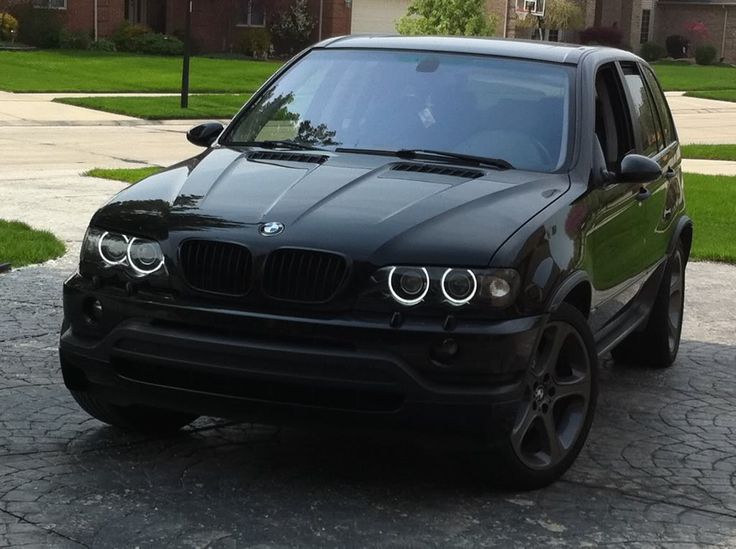
The BMW X5 (E53) refers to the first generation of the BMW X5 luxury SUV, which was produced by the German automaker BMW from 1999 to 2006. The E53 model played a significant role in establishing the BMW X5 as a popular and successful luxury SUV. Here are some key points about the E53 BMW X5:
- Design: The E53 X5 featured a distinct and muscular design, combining elements of a sports sedan with SUV characteristics. It had a prominent front grille, angular headlights, and a relatively boxy shape. The design conveyed a sense of sportiness and luxury.
- Performance and Handling: The E53 X5 offered good performance for an SUV of its time. It had a range of engine options, including inline-six, V8, and diesel engines. The higher-performance models, such as the 4.8is, featured a powerful V8 engine producing around 355 horsepower. The X5 provided a comfortable ride and relatively agile handling for its size.
- All-Wheel Drive: The E53 X5 came standard with BMW’s xDrive system, which is an intelligent all-wheel-drive system. It provided enhanced traction and stability in various driving conditions, making it suitable for both on-road and light off-road use.
- Interior and Practicality: The E53 X5 offered a well-appointed and comfortable interior, with high-quality materials and a driver-focused layout. It provided ample seating space for five occupants and had a good amount of cargo capacity, making it practical for family use and trips.
- Technology: The E53 X5 incorporated several advanced features for its time. These included options such as a widescreen navigation system, a premium audio system, adaptive headlights, and a rear-seat entertainment system. However, compared to more recent models, the technology offered in the E53 X5 may feel dated by today’s standards.
- Reliability: The E53 X5 has generally been considered reliable, although some owners have reported issues with certain components. Common problems included electrical issues, air suspension failure, and issues with the cooling system. Regular maintenance and proper care are essential to ensure the longevity and reliability of any vehicle.
- Fuel Efficiency: The fuel efficiency of the E53 X5 varied depending on the engine choice. The diesel variants generally offered better fuel economy compared to the petrol engines. However, overall fuel economy for the E53 X5 was not particularly impressive, as it was a relatively heavy vehicle.
Cons : (Why is the BMW E53 X5 one of the worst cars to own ? )
- Outdated Technology: As a first-generation model produced from 1999 to 2006, the E53 X5 may lack some of the advanced technology features found in more modern vehicles. The infotainment system, for example, may have a dated interface and limited connectivity options compared to newer models.
- Reliability Issues: While the E53 X5 has generally been considered reliable, there have been reports of certain components experiencing problems. Electrical issues, such as malfunctioning window regulators, door locks, or dashboard displays, have been reported by some owners. Additionally, issues with the air suspension and cooling system have been reported in some cases.
- Fuel Efficiency: The E53 X5 is a relatively large and heavy SUV, which can impact fuel efficiency. Depending on the engine choice and driving conditions, the E53 X5’s fuel economy may be lower compared to smaller, more fuel-efficient vehicles. This can result in higher fuel expenses, especially for those who do a lot of city driving or have long commutes.
- Limited Off-Road Capability: While the E53 X5 came equipped with BMW’s xDrive all-wheel-drive system, it is not intended for serious off-road use. The E53 X5’s ground clearance and off-road capabilities are more limited compared to dedicated off-road vehicles or newer generations of the X5 that offer more advanced off-road features.
- Maintenance and Repair Costs: As with many luxury vehicles, maintaining and repairing the E53 X5 can be more expensive compared to non-luxury vehicles. BMW parts and specialized servicing may come at a higher cost. Additionally, some repairs may require specific expertise or tools, which can contribute to increased maintenance expenses over time.
- Interior Space: While the E53 X5 provided ample seating space for five occupants, the third-row seat option was not available in this generation. If you require seating for more than five people, the E53 X5 may not be suitable for your needs.
BMW 3 Series (E46)
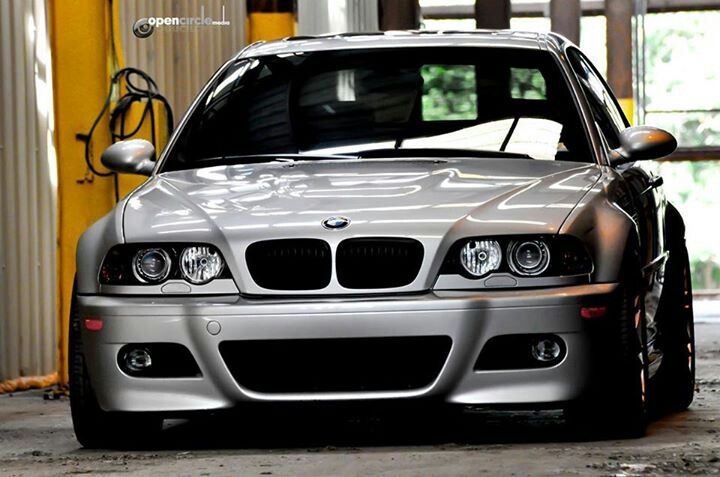
The BMW 3 Series (E46) refers to the fourth generation of the BMW 3 Series compact executive car, which was produced by the German automaker BMW from 1997 to 2006. The E46 model is widely regarded as one of the most successful and iconic generations of the 3 Series. Here are some key points about the E46 BMW 3 Series:
- Design: The E46 3 Series featured a clean and timeless design, with a blend of sportiness and elegance. It had a distinct front grille, expressive headlights, and a well-proportioned body. The design was well-received and has aged gracefully, still retaining a modern appearance.
- Performance and Handling: The E46 3 Series offered a range of engine options, including inline-four, inline-six, and diesel engines. It was known for its excellent driving dynamics, with precise steering, balanced handling, and a responsive chassis. The higher-performance variants, such as the M3, offered exceptional performance and agility.
- Interior and Features: The E46 3 Series had a well-appointed and driver-focused interior. It offered good build quality, high-quality materials, and comfortable seating. The dashboard design was clean and functional, with easy-to-reach controls. Features varied depending on the trim level and options, but common features included power accessories, climate control, and a premium audio system.
- Technology: While the E46 3 Series introduced some advanced features for its time, such as xenon headlights and an optional navigation system, it may lack some of the more modern technology found in newer vehicles. Features like smartphone integration and advanced driver-assistance systems were not as prevalent in this generation.
- Reliability: The E46 3 Series has generally been considered reliable, with a solid reputation for build quality. However, like any older vehicle, it may be more prone to certain age-related issues or wear and tear. Potential areas of concern include cooling system components, electrical issues, and suspension components. Regular maintenance and proper care are important to ensure the longevity and reliability of any vehicle.
- Fuel Efficiency: The E46 3 Series offered a range of engines with varying fuel efficiency. The diesel variants generally provided better fuel economy compared to the petrol engines. However, it’s worth noting that the fuel efficiency of the E46 3 Series may not be as impressive compared to more recent models, as advancements in engine technology have led to improved fuel efficiency.
- Practicality: The E46 3 Series offered reasonable seating space for four or five occupants, depending on the body style. The sedan variant provided a decent-sized trunk, and the wagon (Touring) variant offered additional cargo space, making it a more practical choice for those needing extra storage capacity.
Cons : (Why is the BMW E46 3 Series one of the worst cars to own)
- Cooling System Issues: The E46 3 Series had a reputation for cooling system problems, particularly with the plastic components of the cooling system, such as the expansion tank and radiator. These components were prone to failure and could lead to overheating if not addressed in a timely manner. Regular cooling system maintenance and inspections are crucial to prevent potential issues.
- Subframe Cracking (M3 Models): Some E46 M3 models experienced subframe cracking, particularly in high-performance driving situations. This issue could be costly to repair and required reinforcing the subframe or replacing it entirely. It’s worth noting that this issue was more common in M3 models and less prevalent in regular 3 Series variants.
- Electrical Gremlins: Like many older vehicles, the E46 3 Series could develop electrical issues over time. These issues could manifest as intermittent electrical failures, malfunctioning switches, or problems with the instrument cluster. Troubleshooting and resolving electrical problems can be time-consuming and potentially costly.
- Expensive Maintenance and Repairs: As a luxury vehicle, the E46 3 Series can have higher maintenance and repair costs compared to non-luxury vehicles. BMW parts and specialized servicing may come at a higher price point. Additionally, some repairs may require specific expertise or specialized tools, contributing to increased maintenance expenses over time.
- Run-Flat Tires (if equipped): Some E46 3 Series models were equipped with run-flat tires as standard or optional equipment. While run-flats offer the advantage of allowing continued driving even after a puncture, they can result in a harsher ride quality and increased tire replacement costs compared to traditional tires. Switching to conventional tires may improve ride comfort but would require carrying a spare tire.
- Limited Rear Seat Space: The E46 3 Series, particularly the sedan variant, may have limited rear seat space compared to larger sedans or newer models. Rear legroom and headroom may be more constrained, making it less comfortable for taller passengers or those requiring ample rear-seat space.
BMW X6
The BMW X6 is a luxury mid-size crossover SUV that was first introduced by BMW in 2008. It is often referred to as a Sports Activity Coupe (SAC) due to its coupe-like styling combined with SUV features. Here are some key points about the BMW X6:
- Design: The BMW X6 features a distinctive and polarizing design, characterized by its sloping roofline and coupe-like silhouette. It has a muscular and aggressive appearance, with a prominent front grille, sleek headlights, and a wide stance. The design of the X6 prioritizes style and sportiness over traditional SUV practicality.
- Performance: The BMW X6 offers a range of powerful engine options, including both petrol and diesel engines. It is known for its strong performance and acceleration, with higher-performance variants delivering impressive power. The X6 M models, in particular, offer exceptional performance, with powerful V8 engines and sport-tuned suspension systems.
- Handling and Driving Dynamics: Despite its larger size and weight, the X6 is designed to offer a sporty driving experience. It typically features BMW’s xDrive all-wheel drive system, which enhances traction and stability. The X6 also benefits from advanced suspension technology, resulting in agile handling and responsive steering.
- Interior and Features: The BMW X6 provides a luxurious and well-appointed interior with high-quality materials and advanced technology. It offers comfortable seating for five passengers, although rear headroom and cargo space may be slightly compromised due to the sloping roofline. The X6 includes a range of modern features such as a touchscreen infotainment system, premium audio, and driver-assistance technologies.
- Practicality: While the X6 offers a stylish and luxurious interior, its coupe-like design compromises rear-seat headroom and rear cargo space compared to traditional SUVs. The sloping roofline limits the rear visibility and can make entry and exit more challenging. If maximizing rear passenger space and cargo capacity is a priority, other SUVs may be more suitable.
- Fuel Efficiency: The BMW X6 typically prioritizes performance over fuel efficiency. The exact fuel economy will depend on the engine choice and driving conditions, but generally, the X6’s fuel efficiency may not be as impressive as that of smaller or more fuel-efficient vehicles.
- Price and Ownership Costs: The BMW X6 is positioned as a luxury vehicle, and as such, it comes with a higher price tag compared to non-luxury SUVs. Additionally, maintenance and repairs for luxury vehicles can be more expensive. It’s important to consider the long-term ownership costs, including maintenance, insurance, and fuel expenses, when considering the X6.
Cons : (Why is the BMW X6 one of the worst cars to own ?)
- Limited Practicality: The X6’s coupe-like design sacrifices some practicality compared to traditional SUVs. The sloping roofline and reduced rear headroom compromise rear passenger comfort, particularly for taller individuals. Additionally, the smaller rear window and limited rear visibility can make parking and maneuvering more challenging.
- Reduced Cargo Space: The X6’s sloping roofline also impacts the cargo space. The trunk capacity is generally smaller compared to traditional SUVs with a more upright design. If maximizing cargo space is a priority, other SUVs or crossover models may be more suitable.
- Compromised Rear Seat Accessibility: The X6’s coupe-like design can make entry and exit from the rear seats more cumbersome compared to SUVs with conventional rear doors. The smaller rear door openings and lower roofline may require taller individuals to bend down or maneuver carefully when getting in or out of the vehicle.
- Less Off-Road Capability: The X6 is marketed as a Sports Activity Coupe and is designed primarily for on-road performance and style. While it may offer some mild off-road capability, it is not intended for serious off-road adventures. If off-road capability is a priority, other BMW models such as the X5 or X7 may be more suitable.
- Price: The BMW X6 is positioned as a luxury vehicle, and as such, it comes with a higher price tag compared to non-luxury SUVs. The cost of ownership, including maintenance, insurance, and fuel expenses, can also be higher compared to non-luxury vehicles. It’s important to consider your budget and long-term financial commitments when considering the X6.
- Fuel Efficiency: Due to its larger size and performance-oriented nature, the X6 may have lower fuel efficiency compared to smaller and more fuel-efficient vehicles. The exact fuel economy will depend on the engine choice and driving conditions, but it’s worth considering if fuel efficiency is a significant factor in your decision-making process.
BMW 1 Series (E81, E82, E87, E88)
The BMW 1 Series (E81, E82, E87, E88) refers to the first-generation compact executive car produced by BMW from 2004 to 2013. It was available in various body styles, including three-door hatchback (E81), coupe (E82), five-door hatchback (E87), and convertible (E88). Here are some key points about the BMW 1 Series (E81, E82, E87, E88):
- Design: The first-generation BMW 1 Series featured a distinctive and compact design, characterized by its short overhangs, long hood, and rear-wheel-drive layout. The styling was sporty and modern, with BMW’s signature kidney grille and bold headlight designs. The coupe and convertible variants had a more sleek and aggressive appearance.
- Performance and Handling: The 1 Series offered a range of engine options, including both petrol and diesel engines, with varying power outputs. It was known for its engaging driving experience, with responsive handling and precise steering. The rear-wheel-drive layout contributed to its sporty characteristics and provided good balance and control.
- Interior and Features: The interior of the 1 Series was well-crafted and driver-focused, featuring high-quality materials and a modern design. While the first-generation 1 Series had a relatively simple and functional interior compared to later BMW models, it still offered comfort and convenience features such as power accessories, climate control, and optional navigation systems.
- Practicality: The 1 Series hatchback models (E81 and E87) offered reasonable seating space for four or five occupants, depending on the configuration, and had a decent-sized cargo area for a compact car. However, the coupe (E82) and convertible (E88) variants had limited rear-seat space and smaller trunks due to their more compact dimensions and body styles.
- Technology: The first-generation 1 Series introduced some advanced technology features for its time, but it may not have the same level of advanced tech found in more recent BMW models. Features such as smartphone integration, advanced driver-assistance systems, and infotainment options may be more limited compared to newer vehicles.
- Reliability: The first-generation 1 Series has generally been considered reliable, but like any vehicle, it can be prone to certain issues. Some common concerns reported by owners include problems with the electric window regulators, water pump failures, and issues with the turbocharged engines in later models. Proper maintenance and regular servicing are important for ensuring the longevity and reliability of the vehicle.
- Fuel Efficiency: The fuel efficiency of the first-generation 1 Series varied depending on the engine choice and driving conditions. Generally, diesel engines offered better fuel economy compared to petrol engines. However, it’s worth noting that fuel efficiency may not be as impressive as newer, more fuel-efficient models due to advancements in engine technology.
Cons : (Why is the BMW 1 Series one of the worst cars to own ?)
- Limited Rear Passenger Space: The compact size of the 1 Series can result in limited rear passenger space, particularly in the three-door hatchback (E81) and coupe (E82) variants. Rear legroom and headroom may be more constrained compared to larger vehicles, making it less comfortable for taller passengers or those requiring ample rear-seat space.
- Restricted Cargo Capacity: The 1 Series, especially the three-door hatchback and coupe versions, may have smaller trunk capacities compared to larger vehicles or even other compact cars. The space available for luggage and belongings may be limited, which could be a consideration if you frequently need to transport larger items.
- Firm Ride Quality: The 1 Series, particularly with sports-oriented suspension setups or larger wheel options, can have a firm and sporty ride quality. While this may be desirable for some drivers seeking a more engaging driving experience, it could result in a stiffer and less comfortable ride, especially on uneven or rough road surfaces.
- Limited Technology Features: As an earlier generation vehicle, the first-generation 1 Series may have more limited technology features compared to newer models. Infotainment systems, driver-assistance features, and connectivity options may not be as advanced or comprehensive as what you would find in more recent BMW vehicles.
- Potential Reliability Concerns: While the 1 Series has generally been considered reliable, like any vehicle, it may be prone to certain issues. Some owners have reported problems with the electric window regulators, water pump failures, and issues with turbocharged engines in later models. It’s important to review the vehicle’s maintenance history and potentially consider a pre-purchase inspection to assess its condition.
- Cost of Ownership: BMW vehicles, including the 1 Series, can have higher ownership costs compared to non-luxury vehicles. Maintenance and repairs from authorized BMW dealerships or specialized shops may come at a premium price. Additionally, insurance and parts costs for BMW vehicles can be higher due to their luxury status.
Le Mans Clubsport Jacket


BMW M10 Engine
For over two decades, one engine formed the beating heart of BMW’s rise from niche manufacturer to global performance powerhouse: the venerable M10. This rugged, versatile, and incredibly tunable four-cylinder is a cornerstone of BMW history, powering everything from humble sedans to championship-winning race cars and even laying the foundation for the iconic M1 supercar. This…


Honda R-Series Engine: Your Complete Guide
Picture an engine family so versatile it powers everything from Tokyo commuter cars to American SUVs – all while delivering near-hybrid efficiency without a battery. That’s the Honda R-Series: the unsung hero in 20+ million vehicles since 2006. Forget the flashy K-Series – this is Honda’s real-world engineering masterpiece. We’ll dissect every engine, including the overlooked R16A/B, and…

Honda K-Series Engine: Full Guide
two things you can’t beat: your wife when she’s pregnant and a tuned Honda K engine, they make it much harder for other car manufactures to compete with such a cheap and powerful engine. drop it in your noisy civic and boom you are on the same level with mustangs. this engine family spans over…

Honda J-Series Engine
Since its debut in the late 1990s, this V6 engine series has powered everything from sleek sedans like the Honda Accord and Acura TL to rugged SUVs like the Pilot and Odyssey. In this definitive guide, we’ll explore every J-Series variant, their technical specs, tuning potential, maintenance secrets, and FAQs. Whether you’re a Honda enthusiast, mechanic,…

Honda H-Series Engine
From the screaming H22A in the Prelude SiR to the torquey H25A in the Odyssey, this series has powered some of Honda’s most iconic models. In this exhaustive guide, we cover every H-Series variant, including overlooked engines, with precise specs, tuning insights, and FAQs backed by in-depth research. Honda H-Series Evolution The H-Series debuted in 1992 with…
 Car Community
Leave a comment