

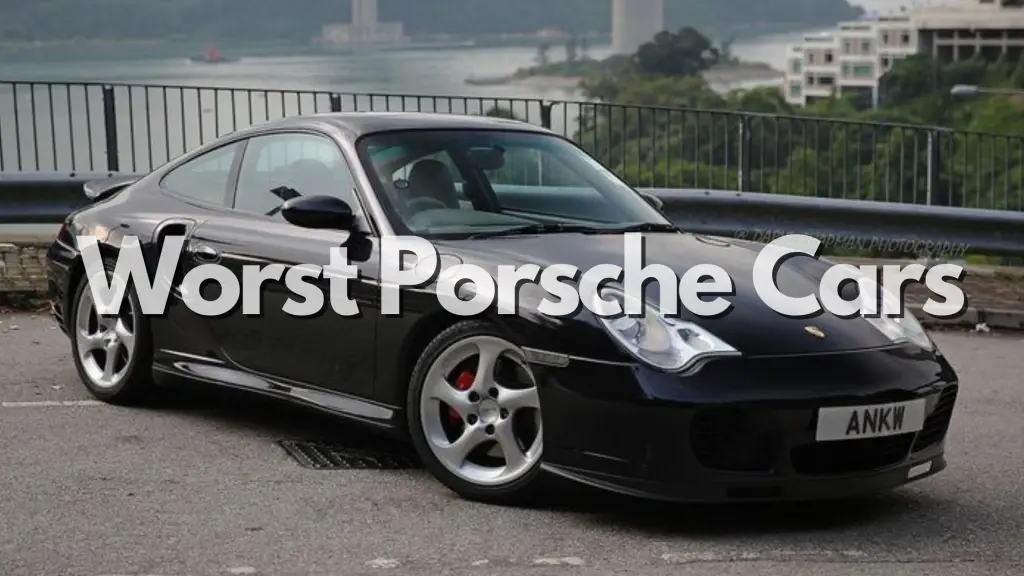
While Porsche is known for producing high-quality sports cars and luxury vehicles, there have been some models throughout its history that have been less reliable or had other issues that might make them less desirable to own. Keep in mind that opinions on the “worst” Porsche cars can vary, and some people might still have positive experiences with these models. Here are six Porsche cars that have been criticized in the past:
- Porsche 924: The Porsche 924, introduced in the late 1970s, was criticized for not being as sporty as other Porsche models. It was initially powered by a VW-sourced engine, which disappointed some Porsche enthusiasts. Over time, the 924 improved with more powerful engines and later iterations like the 924S and 944 were better received.
- Porsche 914: The Porsche 914, produced in the early 1970s, was a collaborative effort with Volkswagen. While it had a unique design and handling characteristics, some Porsche purists were disappointed by its four-cylinder engines and perceived lack of Porsche DNA.
- Porsche 928: The Porsche 928, introduced in the late 1970s, was a departure from the traditional rear-engine layout of other Porsche models. While it was a technically advanced and capable GT car, it didn’t gain the same level of enthusiast following as other Porsche sports cars.
- Porsche 996 (Early Models): The Porsche 996, produced from 1998 to 2004, received criticism for its “fried egg” headlights and the fact that it was the first 911 to feature a water-cooled engine. Early models also had some issues with the intermediate shaft (IMS) bearing, which could lead to engine failure if not addressed.
- Porsche 924/944 Automatic: While the Porsche 924 and 944 with manual transmissions are well-regarded, the automatic transmission versions of these cars have been criticized for being less engaging to drive. The automatic transmission could also be less reliable.
- Porsche Cayenne (First Generation): When Porsche introduced its first SUV, the Cayenne, in 2003, it received mixed reviews from Porsche enthusiasts who were accustomed to the brand’s sports car heritage. While the Cayenne has been successful for Porsche in terms of sales, some purists were disappointed by its departure from the traditional sports car lineup.

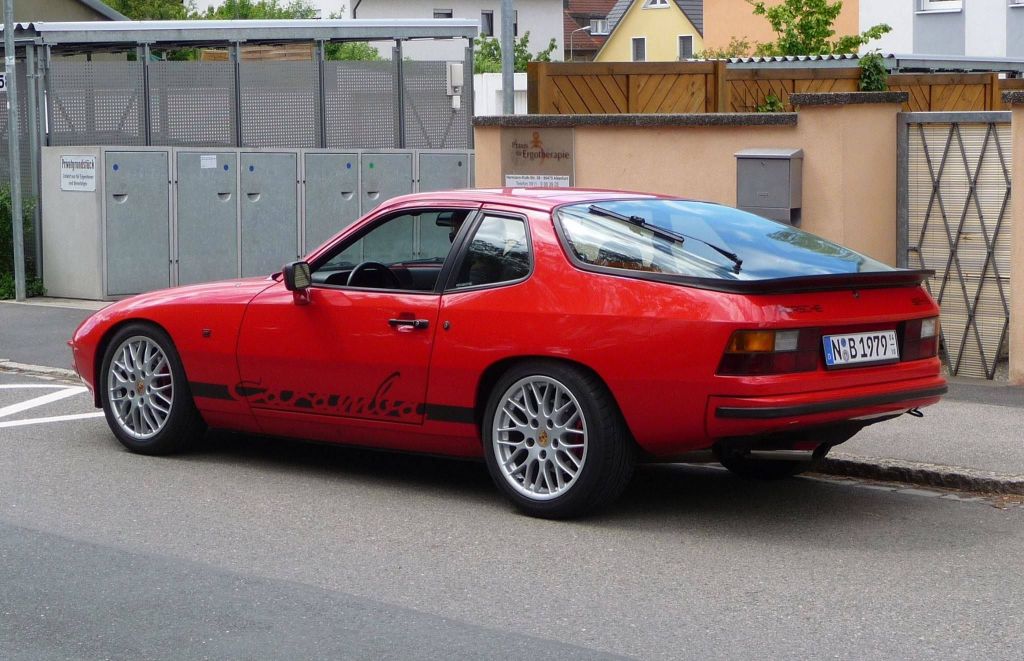
Porsche 924
Here are some key points about the Porsche 924:
- Production: The Porsche 924 was produced by Porsche from 1976 to 1988.
- Front-Engine, Rear-Wheel Drive: It was the first Porsche model to feature a front-mounted, water-cooled engine and a front-engine, rear-wheel-drive layout.
- Affordable Sports Car: The 924 was designed to be a more affordable and accessible sports car, targeting a wider market.
- Engine: Initially powered by a 2.0-liter, inline-four engine producing around 125 horsepower. Later versions received engine upgrades, including a turbocharged variant and a larger 2.5-liter engine.
- Design: The Porsche 924 had a sleek and aerodynamic profile with pop-up headlights and a hatchback rear end.
- Seating Configuration: It featured a 2+2 seating configuration, making it a practical sports car with additional space for passengers or cargo.
- Mixed Reviews: The 924 received mixed reviews upon its release, with some praising its handling and balanced performance, while others felt it lacked the power and prestige associated with other Porsche models.
- Porsche 924 Carrera GT: In 1982, Porsche introduced the high-performance 924 Carrera GT variant, featuring a more powerful engine, upgraded suspension, and aerodynamic enhancements.
- Legacy: While the Porsche 924 may not have achieved the same level of iconic status as some other Porsche models, it played an important role in expanding the brand’s reach and attracting new customers.
Cons : (Why is the Porsche 924 one of the worst Porsche cars to own ?)
- Performance: Compared to other Porsche models, the 924 was often perceived as underpowered. Especially in its early versions, the engine output was relatively modest, which disappointed some performance enthusiasts.
- Prestige: The 924 was considered by some to be less prestigious compared to other Porsche models. Its front-engine layout and relatively affordable price tag made it less exclusive and prestigious in the eyes of some enthusiasts.
- Build Quality: The early production years of the Porsche 924 were plagued by reliability and build quality issues. Some owners reported problems with mechanical components, electrical systems, and interior fittings.
- Interior Materials: The quality of interior materials used in the 924 was not up to the same standard as other Porsche models. This led to criticism of the overall fit and finish of the interior.
- Handling: While the 924 was generally praised for its handling and balanced performance, some drivers found it to be less engaging and dynamic compared to other sports cars in its class.
- Limited Availability: In some regions, finding parts and support for the Porsche 924 can be challenging, as it was not as popular or widely produced as other Porsche models.
- Resale Value: The resale value of the Porsche 924 is generally lower compared to other Porsche models, partly due to its perceived shortcomings and lower overall demand.
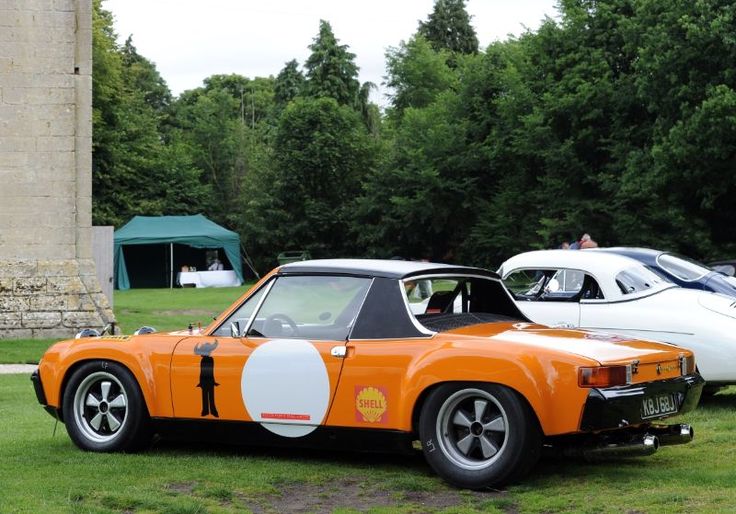
Porsche 914
The Porsche 914 is a sports car that was produced by Porsche from 1969 to 1976. It was a collaborative project between Porsche and Volkswagen, and it played a significant role in the company’s history. Here are some key points about the Porsche 914:
- Partnership with Volkswagen: The Porsche 914 was a joint venture between Porsche and Volkswagen. It was designed as a mid-engine sports car that would be sold under both the Porsche and Volkswagen brands.
- Mid-Engine Layout: The Porsche 914 featured a mid-engine layout, with the engine positioned behind the seats but ahead of the rear axle. This configuration contributed to the car’s balanced handling characteristics.
- Engine Options: The 914 was offered with a range of engine options throughout its production run. The most common engine choices were four-cylinder units, including a 1.7-liter, 1.8-liter, and a later 2.0-liter variant. There was also a limited-production six-cylinder version known as the Porsche 914/6.
- Targa Top: The Porsche 914 featured a removable targa top that provided an open-air driving experience. The top could be stored in the front trunk when not in use.
- Design: The design of the 914 was unique and distinct, characterized by its low-slung profile, pop-up headlights, and wide rear fenders. It had a compact size and lightweight construction, contributing to its agile handling.
- Performance: While the performance of the Porsche 914 varied depending on the engine choice, it generally offered a balance between handling and power. The six-cylinder Porsche 914/6 was the highest-performing variant, providing a more exhilarating driving experience.
- Legacy: The Porsche 914 played a significant role in Porsche’s history, serving as a bridge between the iconic Porsche 356 and the later Porsche 911 models. It was a popular sports car in its time and has gained a dedicated following among enthusiasts.
- Collectibility: Certain versions of the Porsche 914, such as the limited-production Porsche 914/6, have become highly sought after by collectors due to their rarity and historical significance.
- Influence on Future Models: The 914’s mid-engine layout and design elements influenced future Porsche models, including the Boxster and Cayman.
Cons : (Why is the Porsche 914 one of the worst Porsche cars to own ?)
- Performance: The performance of the Porsche 914, particularly with the standard four-cylinder engines, was often considered underwhelming by some enthusiasts. The lower-powered variants lacked the acceleration and top speed capabilities expected of a sports car.
- Interior Quality: The interior of the Porsche 914 was often criticized for its relatively basic and utilitarian design. The materials used were not considered to be of the same high quality as other Porsche models, leading to a less luxurious feel.
- Ergonomics: Some drivers found the driving position and ergonomics of the Porsche 914 to be less comfortable compared to other sports cars. The seating position and pedal placement were not universally suited to all body types.
- Reliability: The Porsche 914 was known to have some reliability issues, particularly with regards to electrical components. Owners reported problems with electrical gremlins and intermittent faults.
- Lack of Identity: As a joint project with Volkswagen, some enthusiasts felt that the Porsche 914 lacked a distinct Porsche identity. The shared components and badge engineering contributed to a perception that it was not a “pure” Porsche sports car.
- Limited Storage Space: The Porsche 914 had limited cargo space, particularly in the front trunk (or “frunk”) due to the placement of the removable targa top. This limited practicality and made it less suitable for carrying larger items.
- Rust Issues: The Porsche 914, especially in regions with harsh climates or poor maintenance, was prone to rusting. Rust could affect various areas of the car, including the body panels and floorpan.
- Parts Availability: Finding genuine and affordable replacement parts for the Porsche 914 can be more challenging compared to other Porsche models. Some components are specific to the 914 and may be less readily available.
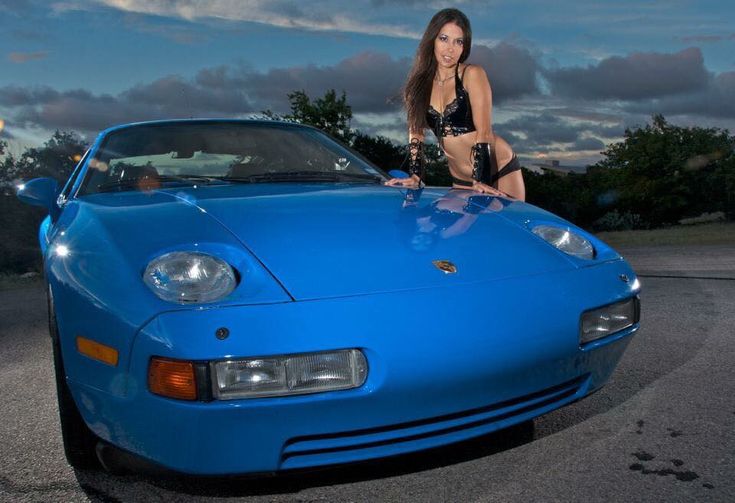
Porsche 928
The Porsche 928 is a luxury grand tourer that was produced by Porsche from 1977 to 1995. It was a departure from Porsche’s traditional sports car design, featuring a front-engine, rear-wheel-drive layout. Here are some key points about the Porsche 928:
- Design and Innovation: The Porsche 928 was a groundbreaking design for its time, featuring a sleek and aerodynamic body shape. It was the first production car from Porsche to have a V8 engine and a body made primarily of galvanized steel, which provided improved rust protection.
- Front-Engine Layout: Unlike other Porsche models, the 928 had a front-engine layout, with the engine positioned in the front of the car. This configuration allowed for a more spacious interior and balanced weight distribution.
- V8 Engine: The Porsche 928 was powered by a range of V8 engines throughout its production run. The engine sizes varied, starting with a 4.5-liter V8 and eventually growing to a 5.4-liter V8 in later models. The V8 engines provided ample power and torque for a smooth and refined driving experience.
- Transaxle Transmission: Another notable feature of the Porsche 928 was its transaxle transmission setup. The gearbox was located at the rear of the car, connected to the engine via a driveshaft. This arrangement contributed to better weight distribution and improved handling characteristics.
- Comfort and Luxury: The Porsche 928 was designed as a luxury grand tourer, prioritizing comfort and refinement. It featured a well-appointed interior with high-quality materials, advanced features for its time, and options such as leather upholstery, air conditioning, and power-adjustable seats.
- Advanced Technology: The Porsche 928 was equipped with various advanced technologies for its era, including advanced suspension systems, anti-lock brakes, and optional rear-wheel steering. It also had innovative features such as a rear spoiler that automatically adjusted based on speed and driving conditions.
- Performance: The Porsche 928 offered impressive performance, combining power, handling, and comfort. It was capable of achieving high speeds and had excellent stability for long-distance touring.
- Limited Success: While the Porsche 928 gained a dedicated following and received critical acclaim for its performance and design, it did not achieve the same level of commercial success as the iconic Porsche 911. Factors such as its higher price point and deviation from the traditional Porsche design may have contributed to its limited sales volume.
- Collectibility: The Porsche 928 has gained a significant following among enthusiasts and collectors. Well-preserved examples, particularly later models with more powerful engines and improved features, can command higher prices in the used car market.
Cons : (Why is the Porsche 928 one of the worst Porsche cars to own ?)
- Weight: The Porsche 928 was relatively heavy compared to other Porsche models, primarily due to its front-engine layout and luxury features. The increased weight affected its agility and overall performance.
- Maintenance and Repair Costs: The Porsche 928 is known to have higher maintenance and repair costs compared to some other Porsche models. The complexity of its design, including the V8 engine and transaxle transmission, can contribute to more expensive servicing and parts.
- Parts Availability: Finding genuine and affordable replacement parts for the Porsche 928 can be more challenging compared to other Porsche models. Some components are specific to the 928 and may be less readily available, leading to potential delays and higher costs for repairs.
- Fuel Consumption: The Porsche 928’s V8 engine, while powerful, can be relatively thirsty in terms of fuel consumption. This can result in higher fuel costs, especially when driven aggressively or in city traffic.
- Limited Rear Seat Space: While the Porsche 928 was designed as a 2+2 grand tourer, the rear seats were relatively small and lacked ample legroom. This made them less practical for accommodating adult passengers on longer journeys.
- Depreciation: The Porsche 928 experienced significant depreciation over the years, particularly when compared to its initial purchase price. This can affect resale value and potential financial considerations for owners.
- Perception: The Porsche 928, despite its innovative design and performance capabilities, did not achieve the same level of iconic status as the Porsche 911. Some enthusiasts and purists considered it to be a departure from the traditional Porsche sports car formula, which affected its perception and desirability.

Porsche 996
The Porsche 996 is a sports car model produced by Porsche from 1997 to 2006. It was the successor to the Porsche 993 and represented a significant shift in design and technology for the 911 series. Here are some key points about the Porsche 996:
- Design Controversy: The Porsche 996 introduced a more modern and streamlined design compared to its predecessor. However, it was met with controversy due to its distinctive “fried egg” headlights, which deviated from the traditional round headlights that were characteristic of the 911 series.
- Water-Cooled Engine: The Porsche 996 was the first 911 model to feature a water-cooled engine instead of the air-cooled engines used in previous generations. This change brought improvements in performance, efficiency, and reliability.
- Engine Options: The Porsche 996 was available with various engine options throughout its production, including flat-six engines with different displacements and power outputs. The range included naturally aspirated and turbocharged engines, offering a balance between performance and everyday usability.
- Performance: The Porsche 996 offered strong performance capabilities, with acceleration and top speed that varied depending on the engine and trim level. The higher-performance Turbo and GT3 variants were particularly notable for their exceptional speed and handling.
- Interior and Features: The interior of the Porsche 996 featured a more modern design compared to previous 911 models. It offered improved comfort, ergonomics, and a range of features such as air conditioning, power seats, and high-quality audio systems.
- IMS Bearing Issue: One of the significant drawbacks associated with the Porsche 996 is the intermediate shaft (IMS) bearing issue that affected some early models. This bearing could fail prematurely, leading to potential engine damage and costly repairs. It’s important to note that not all 996 models were affected, and subsequent model years addressed this issue.
- Depreciation: The Porsche 996 experienced significant depreciation in value, particularly in its earlier years, mainly due to the design controversy and the IMS bearing issue. However, as time has passed, well-maintained and later model years have gained more recognition and appreciation among enthusiasts.
- Collectibility: Despite its initial controversies and drawbacks, the Porsche 996 is gaining recognition as a collectible model. Certain limited-production variants, such as the GT3 and GT2, are highly sought after by collectors.
- Transitionary Model: The Porsche 996 marked a transition from the air-cooled era to the water-cooled era of the 911 series. While it faced criticism at the time, it laid the foundation for the subsequent generations of the 911, which continued to evolve and improve.
Cons : (Why is the Porsche 996 one of the worst Porsche cars to own ?)
- Design Controversy: The Porsche 996 faced criticism for its exterior design, particularly the “fried egg” headlights that deviated from the traditional round headlights of previous 911 models. Some enthusiasts felt that the design departed too much from the iconic Porsche 911 aesthetic.
- Interior Quality: While the interior of the Porsche 996 was an improvement over its predecessor, the 993, some critics felt that the materials and build quality did not match the expectations of a high-end sports car. Certain components, such as the plastic trim, were considered less luxurious.
- IMS Bearing Issue: As mentioned earlier, the Porsche 996 was plagued by an intermediate shaft (IMS) bearing issue in some early models. The failure of this bearing could lead to significant engine damage and costly repairs. While subsequent model years addressed this issue, it remains a concern for potential buyers of older 996 models.
- Cost of Ownership: Maintaining and repairing a Porsche 996 can be more expensive compared to other sports cars. Genuine Porsche parts and specialized labor can contribute to higher maintenance costs, potentially impacting the overall cost of ownership.
- Depreciation: The Porsche 996 experienced significant depreciation, particularly in its earlier years, due to factors such as the design controversy and the IMS bearing issue. While this can present an opportunity for used car buyers, it also means that owners may face a greater loss in value compared to other Porsche models.
- Limited Rear Seat Space: The 996, like many other 911 models, had limited rear seat space, making it less practical for carrying passengers in the back. The rear seats were best suited for occasional use or for smaller individuals.
- Lack of Modern Features: The Porsche 996, particularly older models, may lack some of the modern features and technologies found in more recent sports cars. This includes advanced driver-assistance systems, infotainment options, and connectivity features that have become more prevalent in newer vehicles.

Porsche 944 (I mentioned the Porsche 924 in the start)
The Porsche 944 is a sports car that was produced by Porsche from 1982 to 1991. It was introduced as a successor to the Porsche 924 and was aimed at offering a more refined driving experience. Here are some key points about the Porsche 944:
- Design and Performance: The Porsche 944 featured a distinctive design with a front-engine, rear-wheel-drive layout. It had a sleek and aerodynamic body shape, with a hatchback-style rear end. The balanced weight distribution and suspension setup contributed to excellent handling and overall performance.
- Engine Options: The Porsche 944 was available with different engine options throughout its production. The early models were powered by a 2.5-liter inline-four engine, while later iterations featured larger-displacement engines, including a 2.7-liter and a 3.0-liter variant. These engines provided a good balance of power, fuel efficiency, and reliability.
- Transaxle Transmission: Similar to the Porsche 928, the 944 utilized a transaxle transmission setup. The gearbox was located at the rear of the car, connected to the engine via a torque tube. This configuration resulted in improved weight distribution and enhanced handling characteristics.
- Handling and Suspension: The Porsche 944 was praised for its excellent handling capabilities. It featured advanced suspension systems, including a front MacPherson strut setup and a rear independent suspension, which provided a responsive and engaging driving experience.
- Interior and Features: The interior of the Porsche 944 was well-designed and featured a driver-focused cockpit. It offered a good balance between comfort and sportiness, with supportive seats and high-quality materials. Features such as air conditioning, power windows, and a removable sunroof were available, depending on the trim level and options.
- Popularity and Collectibility: The Porsche 944 gained popularity among enthusiasts for its driving dynamics, affordability, and relative accessibility compared to other Porsche models. It has a dedicated following and is considered a classic sports car, with certain limited-production and high-performance variants being particularly sought after by collectors.
- Maintenance and Parts Availability: While the Porsche 944 is generally regarded as a reliable vehicle, it is important to consider that it is a vintage car, and certain maintenance and repairs may require specialized knowledge and parts. Some components may be more challenging to find or more expensive compared to newer models.
- Limited Rear Seat Space: The rear seats of the Porsche 944 are relatively small and best suited for occasional use or for smaller passengers. They are not particularly spacious or comfortable for long journeys.
Cons : (Why is the Porsche 944 one of the worst Porsche cars to own ?)
- Aging Technology: As a vintage car, the Porsche 944 features older technology compared to modern sports cars. This includes aspects such as the infotainment system, safety features, and overall interior amenities. Buyers seeking the latest advancements may find the 944 lacking in these areas.
- Maintenance Costs: While the Porsche 944 is generally regarded as a reliable car, maintenance and repair costs can be higher due to its age and the availability of certain parts. Finding genuine replacement parts for a vintage vehicle can sometimes be more challenging and costly.
- Limited Space: The Porsche 944 is a two-door sports car with limited interior space. The rear seats are quite small and not suitable for adults or long journeys. Additionally, the cargo space in the trunk is relatively small, which may limit its practicality for carrying larger items.
- Ride Comfort: The 944 is designed as a sports car, prioritizing performance and handling over ride comfort. The suspension is tuned for sporty driving, which can result in a stiffer ride quality compared to more refined luxury vehicles.
- Ergonomics: Some owners and drivers find the ergonomics of the Porsche 944 to be less than ideal. The placement of certain controls, such as the pedals and switches, may not be as intuitive or comfortable for all individuals.
- Limited Modern Features: As a vintage model, the Porsche 944 lacks many of the modern features found in newer vehicles. This includes advanced driver-assistance systems, connectivity options, and convenience features that have become standard in contemporary cars.
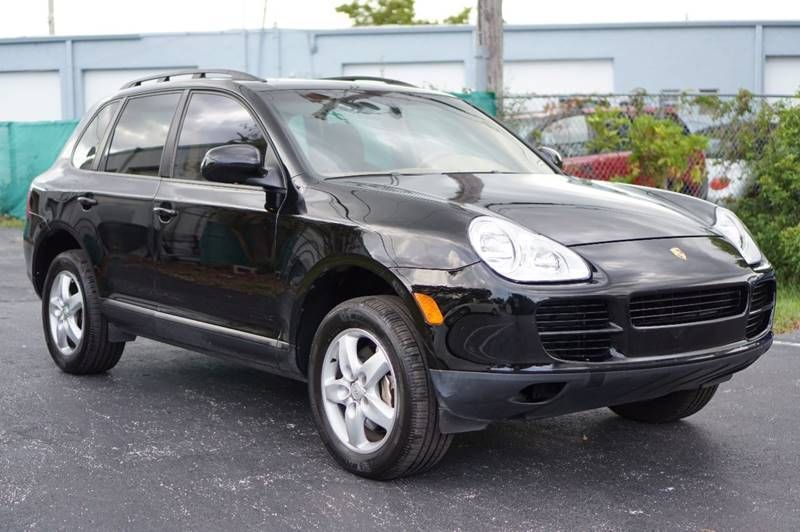
Porsche Cayenne (First Generation)
The first generation Porsche Cayenne is a luxury SUV that was produced by Porsche from 2002 to 2010. It marked Porsche’s entry into the SUV market and aimed to combine the brand’s sporty heritage with the practicality and versatility of an SUV. Here are some key points about the first-generation Porsche Cayenne:
- Design: The first-generation Cayenne featured a distinctive and muscular design that incorporated Porsche’s signature styling cues, such as the front-end design and sculpted body lines. It had a commanding presence on the road, blending sportiness with SUV functionality.
- Engine Options: The first-generation Cayenne was available with various engine options, including V6 and V8 gasoline engines, as well as a turbocharged V8 engine in higher-performance models. These engines provided a range of power outputs and performance capabilities to suit different driving preferences.
- Performance: Despite its SUV classification, the first-generation Cayenne offered impressive performance for its size. The higher-performance models, such as the Cayenne Turbo, delivered exhilarating acceleration and top speeds. The Cayenne S and Cayenne GTS models also provided a sportier driving experience.
- Off-Road Capability: The Cayenne was designed with off-road capabilities in mind. It featured Porsche’s off-road technology, such as adjustable air suspension and a locking differential, to enhance traction and maneuverability on challenging terrain. However, it’s worth noting that most Cayenne owners primarily use the vehicle on paved roads.
- Interior and Features: The first-generation Cayenne offered a well-appointed interior with high-quality materials and a range of comfort and convenience features. It provided seating for five passengers, and the rear seats could be folded down to create additional cargo space. Features such as leather upholstery, power-adjustable seats, and a premium audio system were available, depending on the trim level and options.
- Handling: The first-generation Cayenne was praised for its handling capabilities, which were more akin to a sports car than a typical SUV. Porsche’s engineering expertise resulted in precise steering, minimal body roll, and a composed ride, making it enjoyable to drive on both highways and winding roads.
- Fuel Efficiency: One of the common drawbacks of the first-generation Cayenne was its relatively low fuel efficiency compared to other SUVs in its class. The larger engine options, combined with the vehicle’s weight, resulted in higher fuel consumption, particularly for the higher-performance models.
- Reliability and Maintenance: While the first-generation Cayenne has generally been regarded as a reliable vehicle, it’s important to note that maintenance and repair costs for a luxury SUV can be higher compared to mainstream vehicles. Routine maintenance and occasional repairs may be more expensive due to the specialized nature of the vehicle and the availability of Porsche-specific parts.
- Second-Hand Value: The first-generation Cayenne has experienced depreciation over the years, which can present an opportunity for buyers looking for a used luxury SUV. However, it’s important to consider factors such as mileage, condition, and maintenance history when evaluating the value of a second-hand Cayenne.
Cons : (Why is the Porsche Cayenne First Generation one of the worst Porsche Cars to own ?)
- Controversial Styling: The design of the first-generation Cayenne was met with mixed reactions. Some enthusiasts felt that the SUV’s design deviated from Porsche’s traditional sports car aesthetic and did not have the same level of visual appeal as other Porsche models.
- Reliability Concerns: Early models of the first-generation Cayenne experienced some reliability issues, particularly with engine-related components. This included problems with coolant pipes, air suspension systems, and electrical gremlins. While Porsche addressed many of these issues through recalls and technical service bulletins, it’s important to ensure that any used Cayenne has undergone proper maintenance and repairs.
- Expensive Maintenance and Repairs: Owning and maintaining a Porsche Cayenne can be costly. Genuine Porsche parts and specialized labor can contribute to higher maintenance and repair costs compared to mainstream SUVs. Routine maintenance, such as oil changes and brake replacements, can also be more expensive due to the vehicle’s luxury status.
- Fuel Economy: The first-generation Cayenne was not known for its fuel efficiency. The larger engine options and the vehicle’s weight resulted in higher fuel consumption compared to other SUVs in its class. This can lead to higher fuel costs and lower overall efficiency, particularly for those who do a lot of city driving.
- Limited Cargo Space: While the first-generation Cayenne offered a decent amount of cargo space for an SUV, it may be relatively small compared to some competing models. The sloping roofline and design compromises for sportiness limited the amount of usable space, especially when compared to more dedicated family-oriented SUVs.
- Outdated Technology: As a first-generation model that debuted in the early 2000s, the first-generation Cayenne may lack some of the modern technology and features found in newer vehicles. This includes advanced driver-assistance systems, infotainment options, and connectivity features that have become more prevalent in recent years.


BMW M10 Engine
For over two decades, one engine formed the beating heart of BMW’s rise from niche manufacturer to global performance powerhouse: the venerable M10. This rugged, versatile, and incredibly tunable four-cylinder is a cornerstone of BMW history, powering everything from humble sedans to championship-winning race cars and even laying the foundation for the iconic M1 supercar. This…


Honda R-Series Engine: Your Complete Guide
Picture an engine family so versatile it powers everything from Tokyo commuter cars to American SUVs – all while delivering near-hybrid efficiency without a battery. That’s the Honda R-Series: the unsung hero in 20+ million vehicles since 2006. Forget the flashy K-Series – this is Honda’s real-world engineering masterpiece. We’ll dissect every engine, including the overlooked R16A/B, and…

Honda K-Series Engine: Full Guide
two things you can’t beat: your wife when she’s pregnant and a tuned Honda K engine, they make it much harder for other car manufactures to compete with such a cheap and powerful engine. drop it in your noisy civic and boom you are on the same level with mustangs. this engine family spans over…

Honda J-Series Engine
Since its debut in the late 1990s, this V6 engine series has powered everything from sleek sedans like the Honda Accord and Acura TL to rugged SUVs like the Pilot and Odyssey. In this definitive guide, we’ll explore every J-Series variant, their technical specs, tuning potential, maintenance secrets, and FAQs. Whether you’re a Honda enthusiast, mechanic,…

Honda H-Series Engine
From the screaming H22A in the Prelude SiR to the torquey H25A in the Odyssey, this series has powered some of Honda’s most iconic models. In this exhaustive guide, we cover every H-Series variant, including overlooked engines, with precise specs, tuning insights, and FAQs backed by in-depth research. Honda H-Series Evolution The H-Series debuted in 1992 with…
 Car Community
Leave a comment