

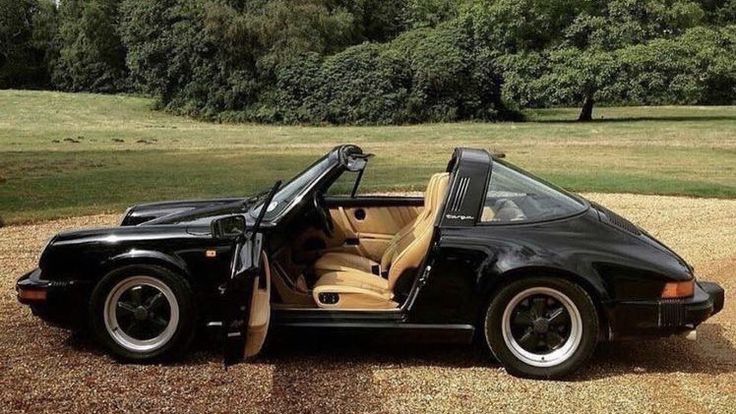
Old money cars are typically associated with luxury, timeless design, and a sense of prestige. While many classic cars can cost a fortune, there are still some great options available for under $50,000. Keep in mind that the prices of classic cars can vary greatly depending on factors like condition, rarity, and provenance. Here are six classic cars that are often considered old money classics and can be found in decent condition for under $50,000:
- Mercedes-Benz W126 (1980-1991): The W126 is known for its elegant design and timeless styling. Models like the 560SEL or 420SEL offer a comfortable and luxurious ride. Prices can vary, but you can find well-maintained examples for under $50,000.
- Jaguar XJ6 Series III (1979-1992): The XJ6 Series III is an iconic British luxury sedan known for its sleek design and refined interior. You can find good examples in various trim levels for under $50,000.
- BMW 2002 (1968-1976): The BMW 2002 is a classic sports sedan that helped establish BMW as a maker of sporty, driver-oriented cars. Well-preserved models can be found for under $50,000, although prices have been rising in recent years.
- Porsche 911 (1970-1989): The Porsche 911 is an iconic sports car with a classic design. While early air-cooled models can be quite expensive, you can find good condition 911s from the 1970s and 1980s for under $50,000.
- Cadillac Fleetwood Brougham (1977-1986): The Fleetwood Brougham is a classic American luxury car known for its spaciousness and comfort. Finding a well-preserved example with low mileage in this price range is quite feasible.
- Volvo P1800 (1961-1973): The Volvo P1800 is a stylish and unique Swedish sports car. It gained fame as the car driven by Roger Moore in the TV series “The Saint.” While prices have been climbing, you can still find good examples for under $50,000.
When shopping for classic cars, it’s essential to do your due diligence, inspect the vehicle thoroughly, and consider maintenance and restoration costs. Additionally, prices for classic cars can fluctuate, so it’s a good idea to consult classic car valuation guides and have a trusted mechanic or classic car expert inspect any vehicle you’re interested in before making a purchase.
What are the Old Money Cars ?
“Old Money cars” is a term that refers to vehicles typically associated with individuals or families who have a long-standing tradition of wealth and aristocracy. These cars are often chosen for their classic and timeless design, quality craftsmanship, and understated luxury. They may not necessarily be the latest or most expensive models but are valued for their heritage and elegance.


Mercedes-Benz W126 (1980-1991)
The Mercedes-Benz W126 is a series of luxury automobiles produced by the German automaker Mercedes-Benz from 1979 to 1992. The W126 was the successor to the W116 series and was known for its exceptional build quality, advanced safety features, and luxurious design. It was available in various body styles, including the sedan and coupe, and it became one of the most popular and influential luxury car models of its time. Here are some key details about the Mercedes-Benz W126:
- Production Years: The W126 was produced from 1979 to 1992. It was sold as a 1980 model year car in the United States.
- Body Styles: The W126 was available in two primary body styles: the four-door sedan (often referred to as the “S-Class”) and the two-door coupe. The sedan came in various wheelbase lengths, including the standard wheelbase (SWB) and the long wheelbase (LWB).
- Engines: The W126 was offered with a range of inline-six and V8 engines, including both gasoline and diesel options. Some of the engines included the 2.8-liter, 3.0-liter, 3.5-liter, 4.2-liter, 5.0-liter, and 5.6-liter V8 engines. The diesel options were known for their durability and efficiency.
- Transmission: Most W126 models were equipped with automatic transmissions, although some manual transmission options were available for certain markets and engine configurations.
- Features: The W126 was known for introducing various advanced features and technologies, including anti-lock brakes (ABS), airbags, and a self-leveling hydropneumatic suspension system. The interior was luxurious, with high-quality materials and advanced comfort and convenience features.
- Safety: The W126 was considered one of the safest cars of its time, thanks to its advanced safety features. It set the standard for future Mercedes-Benz vehicles in terms of safety innovations.
- Popularity: The W126 was popular among both luxury car enthusiasts and high-profile individuals. It was often used as a limousine or executive car due to its comfort, spaciousness, and status.
- Legacy: The W126 is regarded as one of the most iconic and enduring Mercedes-Benz models. Its design, quality, and safety features have contributed to its lasting legacy.
- Successor: The W126 was succeeded by the W140 S-Class, which was introduced in 1991. The W140 continued to build on the W126’s reputation for luxury and innovation.

Jaguar XJ6 Series III (1979-1992)
The Jaguar XJ6 Series III is a line of luxury saloon cars produced by the British automaker Jaguar under their XJ series. The Series III was the last and most extended production run of the XJ6 model, and it was manufactured from 1979 to 1992. Here are some key details about the Jaguar XJ6 Series III:
- Production Years: The Series III XJ6 was produced from 1979 to 1992, with some variations depending on the market.
- Body Styles: The XJ6 Series III was primarily available as a four-door saloon (sedan) but also came in a two-door coupe variant known as the XJ6C.
- Engines: The XJ6 Series III was offered with a range of inline-six-cylinder engines, both in petrol and diesel variants. The most common petrol engine was a 4.2-liter inline-six, although some early models used a 3.4-liter engine. There were also 2.9-liter and 3.6-liter versions. Later in the production run, a 2.9-liter Vanden Plas variant was introduced.
- Transmission: Most XJ6 Series III models were equipped with automatic transmissions, but manual transmission options were also available for some markets and engine configurations.
- Features: These cars were known for their classic British luxury and elegant design. They featured sumptuous leather interiors, wood trim, and advanced features for their time, including air conditioning and power windows.
- Suspension: The XJ6 Series III used a rear suspension system based on Jaguar’s independent rear suspension (IRS) setup, which contributed to a smooth and comfortable ride.
- Legacy: The XJ6 Series III was a popular and prestigious luxury car during its production years, and it is often considered a classic in the luxury automobile market. The design and engineering of these vehicles have left a lasting impact on the Jaguar brand’s history.
- Successor: The XJ6 Series III was succeeded by various models in the Jaguar XJ series, including the XJ40 and X300.

BMW 2002 (1968-1976)
The BMW 2002 is a classic sports sedan produced by the German automaker BMW from 1968 to 1976. It was part of the “New Class” line of vehicles and played a significant role in establishing BMW as a manufacturer of sporty, compact cars. Here are some key details about the BMW 2002:
- Production Years: The BMW 2002 was produced from 1968 to 1976. It was introduced as a 1968 model year car.
- Body Style: The 2002 was primarily available as a two-door sedan, but it was also produced in a few other variants, such as the BMW 2002 Touring, which was a wagon-like estate version.
- Engine: The name “2002” refers to the engine displacement, which was 2.0 liters. The BMW 2002 was initially powered by a 2.0-liter inline-four-cylinder engine, and later versions featured an improved version of the engine with fuel injection. This engine was known for its responsiveness and relatively strong performance.
- Transmission: Most BMW 2002 models were equipped with a four-speed manual transmission, although a three-speed automatic transmission was also available as an option.
- Features: While the focus of the 2002 was on driving dynamics, it featured some standard and optional features for the time, including a modern interior, comfortable seats, and an independent rear suspension for improved handling.
- Performance: The BMW 2002 was renowned for its nimble and responsive handling, making it a favorite among driving enthusiasts. It had a reputation for being a fun-to-drive, sporty car in a compact package.
- Legacy: The BMW 2002 is considered an iconic and classic car, often credited with laying the foundation for the BMW’s sporty “3 Series” and “M Series” vehicles. It remains highly regarded by collectors and enthusiasts for its blend of performance and practicality.
- Successor: The BMW 2002 was succeeded by various models, including the BMW 3 Series, which continued the tradition of compact, sporty sedans that were enjoyable to drive.

Porsche 911 (1970-1989)
The Porsche 911, specifically the 911 models produced from 1970 to 1989, are often referred to as the “G Series” and represent an iconic era in the history of this renowned sports car. These models are highly regarded for their performance and design. Here are some key details about the Porsche 911 G Series:
- Production Years: The Porsche 911 G Series was produced from 1970 to 1989. This period covered several iterations and improvements to the model.
- Body Styles: The G Series 911 was available in various body styles, including the classic rear-engine rear-wheel-drive coupe, a Targa variant featuring a removable roof panel, and the rare and highly sought-after Porsche 911 Speedster.
- Engines: The G Series 911 featured a range of flat-six engines with various displacements and power outputs. These engines included 2.2-liter, 2.4-liter, 2.7-liter, 3.0-liter, and 3.2-liter options over the years. The performance of these engines improved with each iteration.
- Transmission: Most G Series 911 models were equipped with a five-speed manual transmission, providing a direct and engaging driving experience. Some later models also offered a four-speed automatic option.
- Features: These cars featured a classic and timeless design, with distinctive round headlamps, a rear spoiler (often known as a “whale tail”), and the iconic Porsche crest. The interiors were driver-focused, with sports car seats and a compact dashboard layout.
- Performance: The Porsche 911 G Series was known for its exhilarating performance, with a rear-engine layout that provided excellent traction. The 911 Carrera models, in particular, were renowned for their speed and handling.
- Legacy: The G Series is considered a classic in the Porsche 911 lineup and is highly regarded by enthusiasts and collectors. It was a pivotal era in the development of the 911, laying the foundation for the future of the model.
- Impact: The G Series 911 helped establish the 911’s reputation as a top-tier sports car. It was an influential and successful era for Porsche and contributed to the brand’s racing achievements.
- Successor: The G Series 911 was succeeded by the Porsche 964, which introduced a more modern design and a host of technical improvements while retaining the classic 911 characteristics.

Cadillac Fleetwood Brougham (1977-1986)
The Cadillac Fleetwood Brougham was a luxury automobile produced by the American automaker Cadillac, a division of General Motors, from 1977 to 1986. The Fleetwood Brougham was a part of Cadillac’s Fleetwood line, and it was known for its size, opulence, and classic American luxury. Here are some key details about the Cadillac Fleetwood Brougham:
- Production Years: The Cadillac Fleetwood Brougham was produced from 1977 to 1986. During this time, it underwent various updates and revisions.
- Body Style: The Fleetwood Brougham was primarily available as a four-door luxury sedan, which was a traditional body style for full-size Cadillac models. It was known for its substantial dimensions and elegant styling.
- Engines: The Fleetwood Brougham was powered by a range of V8 engines during its production run, with engine displacement ranging from 6.0 liters to 5.7 liters. These engines were designed to provide a smooth and powerful driving experience.
- Transmission: Most Fleetwood Brougham models came equipped with an automatic transmission, typically a three-speed or four-speed automatic.
- Features: These cars were known for their opulent features and spacious, comfortable interiors. They often featured plush seating, high-quality materials, and advanced comfort and convenience features, such as power windows, power seats, air conditioning, and more.
- Rear-Wheel Drive: The Fleetwood Brougham featured rear-wheel drive, which was a common configuration for full-size American luxury cars of this era.
- Legacy: The Fleetwood Brougham represents a classic era of American luxury cars, and it is remembered for its smooth ride and traditional styling. It was a symbol of luxury and prestige during the late 1970s and early 1980s.
- Successor: The Cadillac Fleetwood Brougham was succeeded by the Cadillac Fleetwood in 1987, which marked a transition to a more modern and aerodynamic design and featured front-wheel drive.

Volvo P1800 (1961-1973)
The Volvo P1800 is a classic sports car that was produced by the Swedish automaker Volvo from 1961 to 1973. It is known for its unique design and has gained a following among automotive enthusiasts. Here are some key details about the Volvo P1800:
- Production Years: The Volvo P1800 was manufactured from 1961 to 1973. It was introduced as a 1961 model.
- Body Styles: The P1800 was available primarily as a two-door sports coupe, but it also had a wagon variant known as the Volvo P1800ES, which was introduced in 1972.
- Engines: The early P1800 models were powered by a 1.8-liter inline-four-cylinder engine. In 1963, production was moved from England (Jensen Motors) to Sweden, and the engine was upgraded to a 2.0-liter version. This engine was known for its durability and reliability.
- Transmission: Most P1800 models were equipped with a four-speed manual transmission. Later models also offered a three-speed automatic transmission option.
- Features: The P1800 was designed with a stylish and sleek exterior, a comfortable and functional interior, and classic Scandinavian design elements. It featured distinctive styling cues like the front grille and the curved glass rear window in the ES model.
- Performance: While not a high-performance sports car, the P1800 was appreciated for its handling and agility, making it a fun-to-drive car for its time.
- Legacy: The Volvo P1800 has gained a devoted following among classic car enthusiasts. It was featured prominently in the 1960s television series “The Saint,” driven by the main character, Simon Templar (played by Roger Moore), which added to its popularity.
- Impact: The P1800 helped establish Volvo’s reputation as a manufacturer of safe and reliable vehicles. It was also one of the first sports cars produced by Volvo and contributed to the company’s image as a versatile automaker.
- Successor: The Volvo P1800 was followed by various models, but it did not have a direct successor in Volvo’s lineup. Volvo later produced a modern sports coupe, the Volvo C70, which was available from 1996 to 2013.


BMW M10 Engine
For over two decades, one engine formed the beating heart of BMW’s rise from niche manufacturer to global performance powerhouse: the venerable M10. This rugged, versatile, and incredibly tunable four-cylinder is a cornerstone of BMW history, powering everything from humble sedans to championship-winning race cars and even laying the foundation for the iconic M1 supercar. This…


Honda R-Series Engine: Your Complete Guide
Picture an engine family so versatile it powers everything from Tokyo commuter cars to American SUVs – all while delivering near-hybrid efficiency without a battery. That’s the Honda R-Series: the unsung hero in 20+ million vehicles since 2006. Forget the flashy K-Series – this is Honda’s real-world engineering masterpiece. We’ll dissect every engine, including the overlooked R16A/B, and…

Honda K-Series Engine: Full Guide
two things you can’t beat: your wife when she’s pregnant and a tuned Honda K engine, they make it much harder for other car manufactures to compete with such a cheap and powerful engine. drop it in your noisy civic and boom you are on the same level with mustangs. this engine family spans over…

Honda J-Series Engine
Since its debut in the late 1990s, this V6 engine series has powered everything from sleek sedans like the Honda Accord and Acura TL to rugged SUVs like the Pilot and Odyssey. In this definitive guide, we’ll explore every J-Series variant, their technical specs, tuning potential, maintenance secrets, and FAQs. Whether you’re a Honda enthusiast, mechanic,…

Honda H-Series Engine
From the screaming H22A in the Prelude SiR to the torquey H25A in the Odyssey, this series has powered some of Honda’s most iconic models. In this exhaustive guide, we cover every H-Series variant, including overlooked engines, with precise specs, tuning insights, and FAQs backed by in-depth research. Honda H-Series Evolution The H-Series debuted in 1992 with…
Leave a Reply