

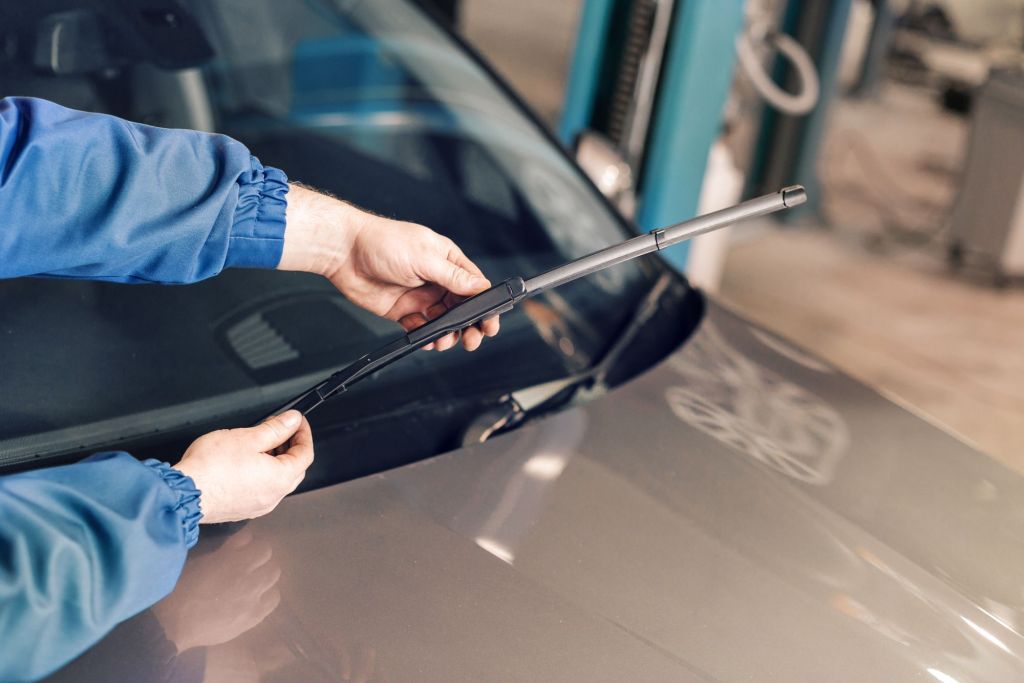
Replacing your windshield wipers in just three minutes can feel like a rush of accomplishment! Start by getting the right blades for your car—there’s something satisfying about finding that perfect fit.
(You’ll save probably $10-$15 per wiper blade over having it done at a shop)
Tools Needed:
- New windshield wiper blades
- Rubbing alcohol or glass cleaner
- Clean cloth or paper towels


Steps:
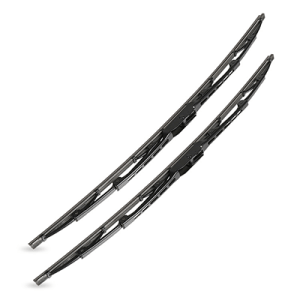
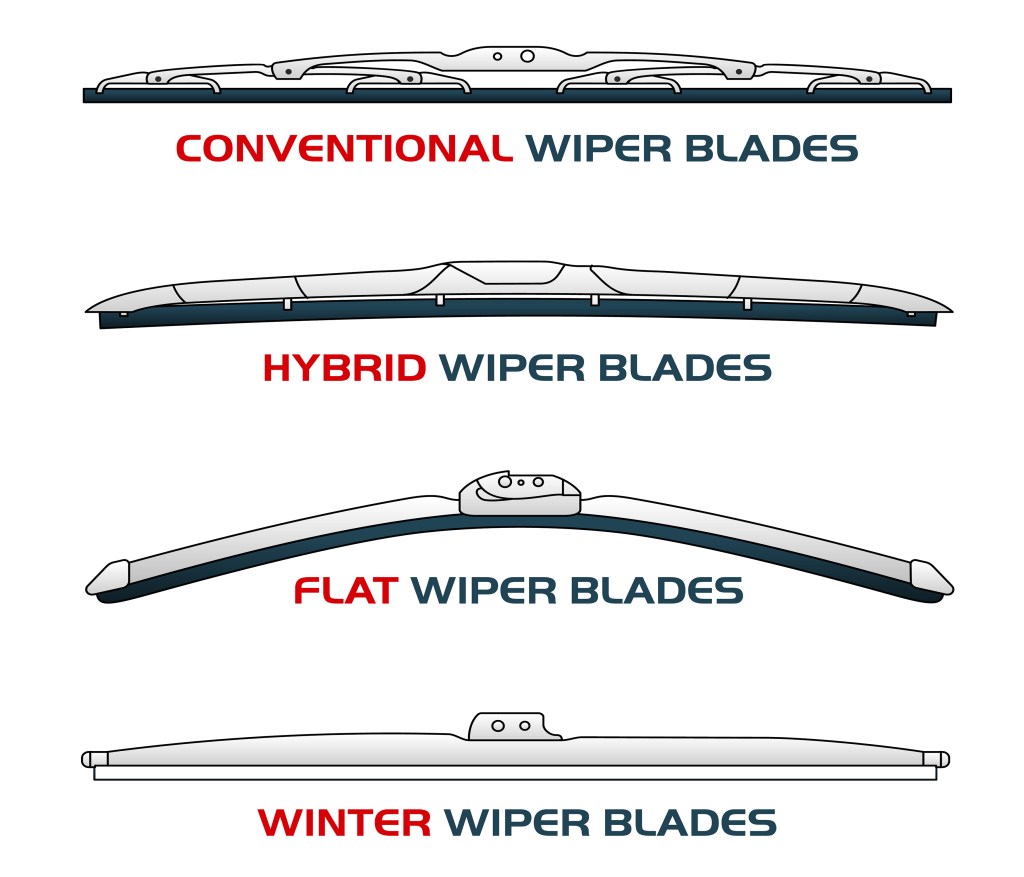
- Buy the Right Blades: Ensure you have the correct size of wiper blades for your car. Check your car’s manual or use a blade size finder at an auto parts store.
- Lift the Wiper Arms: Lift the wiper arms away from the windshield. This makes it easier to access the blades.
- Remove the Old Blades:
- Look for the release tab or button on the wiper blade. Press it to release the old blade.
- Slide the old wiper blade down the arm to remove it. Be cautious as the wiper arm can snap back and crack the windshield if released abruptly.
- Prepare for New Blades:
- Use rubbing alcohol or glass cleaner to wipe the wiper arm where the new blade will be attached. This removes any debris or dirt.
- Follow the instructions on the new blades to ensure proper installation.
- Attach the New Blades:
- Align the new blade with the arm. Slide it onto the arm until you hear a click or until it’s securely in place.
- Gently lower the wiper arm back onto the windshield.
- Test the New Blades: Turn on your wipers to check if they’re working properly. Ensure the blades don’t streak or skip across the windshield.
Remember, while replacing wiper blades can be quick, take your time to ensure proper installation. If you’re unsure, don’t hesitate to seek assistance from a professional or someone experienced with car maintenance.
You can also read about How to Save Money on Gas
FAQs
Why is it crucial to replace windshield wipers regularly?
Ah, imagine those moments when sudden rain hits, and your wipers are your unsung heroes, creating a clear path for you. Over time, wipers wear out, leaving streaks and reducing visibility. Regular replacement ensures you’re always ready for whatever weather comes your way.
Why is it crucial to replace windshield wipers regularly?
Think of your wiper blades as loyal companions, but even the best companions need a refresh occasionally! Generally, it’s recommended to replace them every six months to a year, but keep an eye out for signs of wear like streaking or squeaking.
Can I install windshield wipers by myself?
Absolutely! Changing wiper blades is like a mini triumph—a simple task that gives you that DIY champion feeling. It’s quick and straightforward, making you feel like you’ve just given your car a little TLC.
How do I know which wiper blades are right for my car?
Ah, the quest for the perfect fit! Check your car’s manual or use an online tool to find the right blade size. It’s like finding the perfect piece to complete a puzzle—once you’ve got it, everything fits together beautifully.
Any tips for maintaining windshield wipers?
Show your wipers some love! Keep them clean by gently wiping them with a damp cloth. Also, during snowy or icy weather, lift the wipers away from the windshield to prevent them from freezing or sticking.
What if my wipers are still not working well after replacement? Sometimes, it’s not just about the blades. Check for debris on the windshield or arms that might be affecting their performance. And if issues persist, it might be worth consulting a professional to ensure everything’s in top shape.
Buy our Porsche 911 Generations Poster


BMW M10 Engine
For over two decades, one engine formed the beating heart of BMW’s rise from niche manufacturer to global performance powerhouse: the venerable M10. This rugged, versatile, and incredibly tunable four-cylinder is a cornerstone of BMW history, powering everything from humble sedans to championship-winning race cars and even laying the foundation for the iconic M1 supercar. This…


Honda R-Series Engine: Your Complete Guide
Picture an engine family so versatile it powers everything from Tokyo commuter cars to American SUVs – all while delivering near-hybrid efficiency without a battery. That’s the Honda R-Series: the unsung hero in 20+ million vehicles since 2006. Forget the flashy K-Series – this is Honda’s real-world engineering masterpiece. We’ll dissect every engine, including the overlooked R16A/B, and…

Honda K-Series Engine: Full Guide
two things you can’t beat: your wife when she’s pregnant and a tuned Honda K engine, they make it much harder for other car manufactures to compete with such a cheap and powerful engine. drop it in your noisy civic and boom you are on the same level with mustangs. this engine family spans over…

Honda J-Series Engine
Since its debut in the late 1990s, this V6 engine series has powered everything from sleek sedans like the Honda Accord and Acura TL to rugged SUVs like the Pilot and Odyssey. In this definitive guide, we’ll explore every J-Series variant, their technical specs, tuning potential, maintenance secrets, and FAQs. Whether you’re a Honda enthusiast, mechanic,…

Honda H-Series Engine
From the screaming H22A in the Prelude SiR to the torquey H25A in the Odyssey, this series has powered some of Honda’s most iconic models. In this exhaustive guide, we cover every H-Series variant, including overlooked engines, with precise specs, tuning insights, and FAQs backed by in-depth research. Honda H-Series Evolution The H-Series debuted in 1992 with…
 Car Community
Leave a comment