

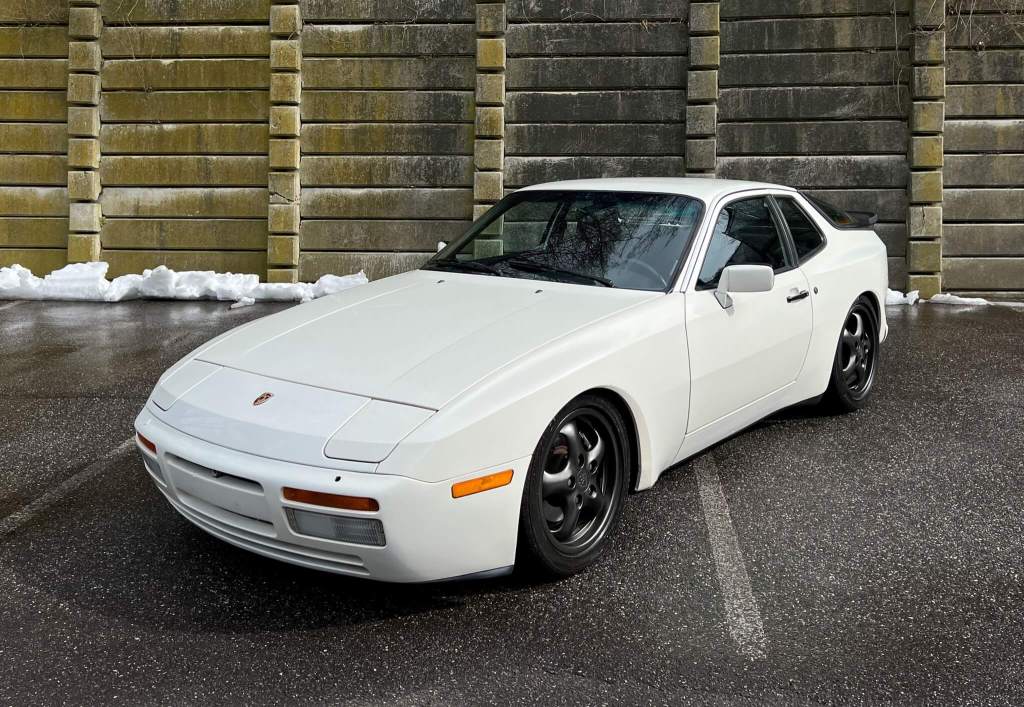
The Porsche 944 is a sports car that was produced by Porsche from 1982 to 1991. It was designed to be a more affordable alternative to the Porsche 911, while still offering a high level of performance and handling.
The 944 was powered by a 2.5-liter inline-four engine that produced between 143 and 247 horsepower, depending on the model and year. It featured a rear-mounted transaxle, which helped to improve weight distribution and handling. The car was available with either a 5-speed manual or a 3-speed automatic transmission.
The 944 was also notable for its sleek and aerodynamic body design, which was developed in collaboration with Porsche’s design partner, Harm Lagaay. The car featured a long, sloping hood and a distinctive hatchback rear end.
Over the course of its production, the 944 underwent a number of updates and changes, including the introduction of a turbocharged version, the 944 Turbo, in 1985. The car also saw a number of improvements to its suspension and braking systems over the years.
Today, the Porsche 944 is considered a classic sports car and is highly sought after by enthusiasts. It is known for its excellent handling and balanced performance, as well as its distinctive styling.
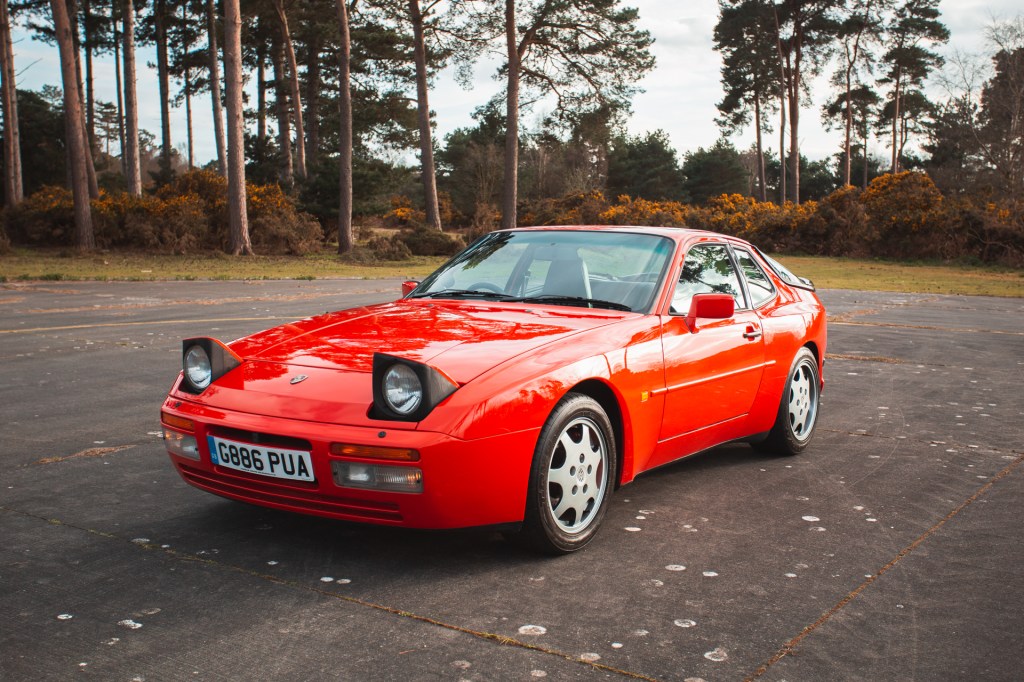
What are some of the key features of the Porsche 944 Turbo?
The Porsche 944 Turbo, also known as the 951, was a high-performance version of the Porsche 944 that was introduced in 1985. Some of the key features of the Porsche 944 Turbo include:
- Turbocharged engine: The Porsche 944 Turbo was powered by a turbocharged and intercooled 2.5-liter inline-four engine that produced 217 horsepower and 243 lb-ft of torque. This was a significant increase in power over the non-turbocharged 944.
- Improved suspension and brakes: The 944 Turbo featured a revised suspension system with stiffer springs and shocks, larger anti-roll bars, and adjustable ride height. The car also had larger brakes with four-piston calipers.
- Upgraded transmission: The 944 Turbo came equipped with a stronger 5-speed manual transmission that was better suited to handle the increased power and torque of the turbocharged engine.
- Aerodynamic enhancements: The 944 Turbo featured a front air dam, a rear spoiler, and a diffuser that helped to improve the car’s aerodynamics and handling.
- Interior upgrades: The 944 Turbo had a number of interior upgrades, including a leather-wrapped steering wheel, power-adjustable seats, and a premium audio system.
The Porsche 944 Turbo was a highly capable sports car that offered excellent performance and handling. It was a popular choice among enthusiasts in the 1980s and remains a sought-after model today.
How does the Porsche 944 Turbo compare to other sports cars of its time?
The Porsche 944 Turbo was one of the top sports cars of its time, and it compared very favorably to its competitors. Here are a few examples:
- Nissan 300ZX Turbo: The Nissan 300ZX Turbo was a popular sports car in the 1980s, and it offered similar performance to the Porsche 944 Turbo. However, the 944 Turbo had better handling and was more nimble on the road.
- Toyota Supra: The Toyota Supra was another popular sports car of the era, but it was not as well-balanced as the 944 Turbo. The Supra had a tendency to understeer, while the 944 Turbo was more neutral and predictable in its handling.
- Chevrolet Corvette: The Chevrolet Corvette was a more powerful sports car than the 944 Turbo, but it was also heavier and less agile. The 944 Turbo offered better handling and a more engaging driving experience overall.
- BMW M3: The BMW M3 was a direct competitor to the 944 Turbo, and it offered similar performance and handling. However, the 944 Turbo had a more refined interior and a more comfortable ride.
What was the price range for the 944 Turbo when it was first released?
When the Porsche 944 Turbo was first released in 1985, its base price was around $30,000. This was significantly more expensive than the base price of the non-turbocharged 944, which was around $18,000. However, the 944 Turbo offered a significant increase in performance over the standard 944, which helped to justify the higher price tag.
Over the course of its production, the price of the 944 Turbo increased as Porsche made improvements and added new features. By the end of its production run in 1991, the base price of the 944 Turbo was around $47,000.
It’s worth noting that the actual price of a 944 Turbo could vary depending on the specific options and features chosen by the buyer. For example, the car was available with a number of optional extras, such as leather upholstery, a sunroof, and a premium sound system, which could add to the overall cost. Additionally, some dealers may have charged premiums on top of the base price for highly sought-after models or limited editions.

Porsche 944 interior
The Porsche 944 has a well-designed and comfortable interior, with a driver-focused layout that emphasizes sportiness and functionality. Here are some of the key features of the 944’s interior:
- Driver-oriented cockpit: The 944’s cockpit is designed to put the driver in control, with a low-slung dashboard and a sporty three-spoke steering wheel. The gauges and controls are all easily accessible and intuitive to use.
- High-quality materials: The interior of the 944 is finished with high-quality materials, such as soft-touch plastics, leather, and carpeting. The seats are comfortable and supportive, and the interior trim is well-fitted and finished.
- Standard features: The 944 was equipped with a number of standard features, such as power windows, power mirrors, and a premium audio system. Higher-end models also offered options like a sunroof, leather upholstery, and power-adjustable seats.
- Climate control: The 944 came equipped with a standard heating and air conditioning system, which was designed to be effective even in hot or cold weather.
- Storage space: Despite its sporty design, the 944 offered a surprising amount of storage space, with a roomy trunk and additional storage compartments throughout the cabin.
Porsche 944’s interior is a well-executed blend of style and function, with high-quality materials and a driver-focused layout that emphasizes the car’s sporty nature. It’s a comfortable and functional space that is well-suited to both daily driving and spirited performance driving.
What are some of the safety features of the Porsche 944?
The Porsche 944 was a sports car that was designed primarily for performance and handling, but it also offered a number of safety features to help protect passengers in the event of an accident. Here are some of the key safety features of the 944:
- Anti-lock brakes: The 944 was one of the first cars to offer anti-lock brakes as standard equipment. This system helped to prevent the wheels from locking up during hard braking, which could reduce the risk of a skid or loss of control.
- Airbags: The Porsche 944 was also one of the first cars to offer airbags as standard equipment. These airbags were located in the steering wheel and helped to cushion the driver in the event of an impact.
- Reinforced body structure: The 944 featured a reinforced body structure with front and rear crumple zones, which helped to absorb and dissipate the energy of an impact.
- Headlight washers: The 944 was equipped with headlight washers, which helped to keep the headlights clean and functioning properly in adverse weather conditions.
- Seatbelt pre-tensioners: The 944 was also equipped with seatbelt pre-tensioners, which helped to tighten the seatbelts in the event of a sudden stop or impact.
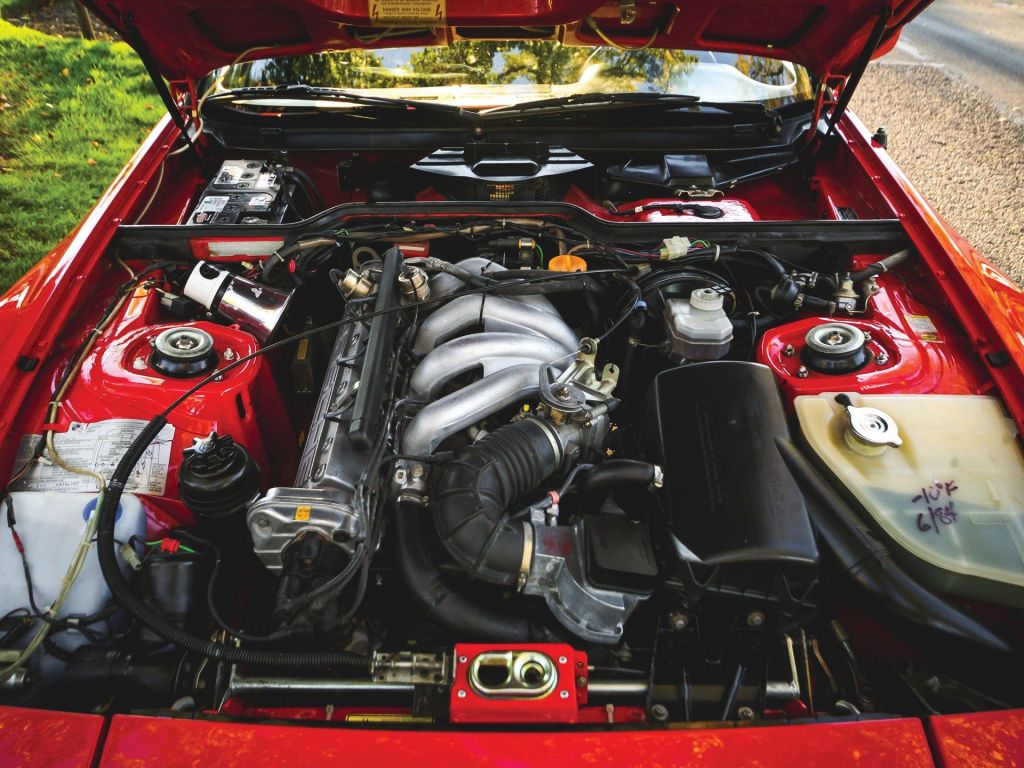
Porsche 944 engine
The Porsche 944 was equipped with a range of different engines over the course of its production, depending on the model and year. Here are some of the key engines that were used in the 944:
- 2.5-liter inline-four (1982-1985): The first-generation 944 was powered by a 2.5-liter inline-four engine that produced 143 horsepower and 137 lb-ft of torque. This engine was mated to a 5-speed manual transmission and helped the car to accelerate from 0 to 60 mph in around 8 seconds.
- 2.5-liter inline-four turbo (1985.5-1991): The 944 Turbo, also known as the 951, was powered by a turbocharged and intercooled version of the same 2.5-liter inline-four engine. This engine produced 217 horsepower and 243 lb-ft of torque, which helped the car to accelerate from 0 to 60 mph in around 5.5 seconds.
- 3.0-liter inline-four (1989-1991): In 1989, Porsche introduced a larger 3.0-liter inline-four engine for the 944 S2. This engine produced 208 horsepower and 207 lb-ft of torque, and was mated to either a 5-speed manual or a 4-speed automatic transmission.
- 3.0-liter inline-four (1991 only): In the final year of production, Porsche introduced a special edition 944 Turbo called the Turbo S. This car was equipped with a modified version of the 3.0-liter engine that produced 247 horsepower and 258 lb-ft of torque.
All of the engines used in the Porsche 944 were known for their smoothness, responsiveness, and durability. They were also known for their good fuel economy, which helped to make the car a practical choice for daily driving as well as performance driving.
We hope everyone likes our content, check out our latest articles.

Follow us on instagram
 Car Community
Leave a comment