

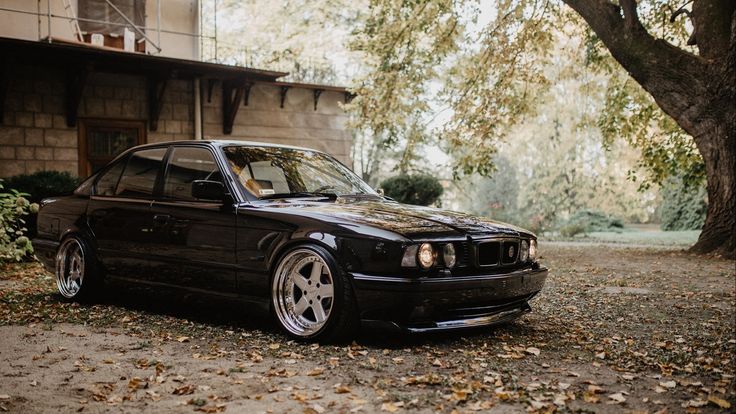
The BMW E34 is a mid-size luxury sedan that was produced by BMW from 1987 to 1996. It was the successor to the BMW E28 and was later replaced by the BMW E39.
During its production, the E34 was offered with a range of engines and transmissions, as well as several different body styles. The most common engine options were inline-six engines, which were known for their smooth power delivery and reliability.
One of the most popular engines in the E34 was the M50 inline-six engine, which was available in several different versions. The M50 engine was offered in both 2.0-liter and 2.5-liter versions, as well as a 2.5-liter version with a VANOS variable valve timing system. Later versions of the engine were equipped with a dual overhead camshaft (DOHC) design, which improved performance and efficiency.
If you are interested you should read about BMW E46
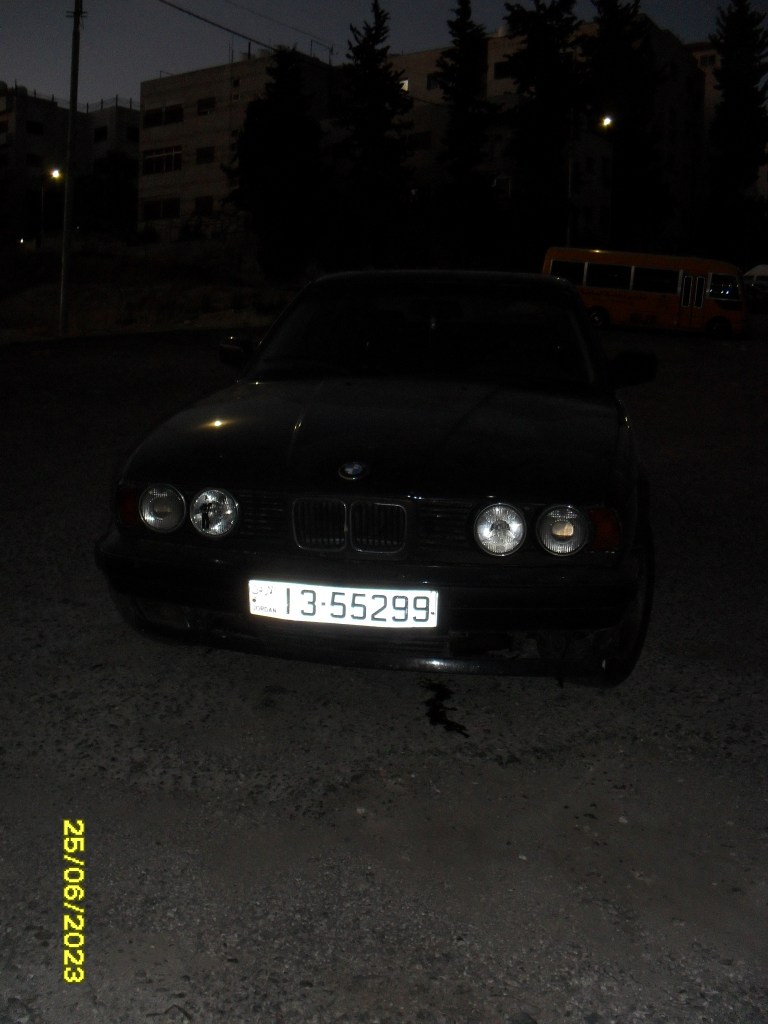
this is my own car BTW, my lovely Maverick.
Another popular engine option in the E34 was the M30 inline-six engine, which was available in several different displacements ranging from 2.5 to 3.5 liters. The M30 engine was known for its smoothness and durability, and it was often used in BMW’s larger sedans and coupes.
In addition to the inline-six engines, the E34 was also offered with a V8 engine option in some markets. The M60 V8 engine was available in both 3.0-liter and 4.0-liter versions and was known for its smooth and refined power delivery.
The E34 was also offered with several different transmission options, including a 5-speed manual, a 4-speed automatic, and a 5-speed automatic. Some models were also equipped with a limited-slip differential for improved traction and handling.
One of the most notable features of the E34 was its advanced suspension system, which was designed to provide a balance of comfort and handling. The suspension system used a double-wishbone front suspension and a multi-link rear suspension, which provided excellent handling characteristics and a smooth ride.

E34 is still highly regarded by car enthusiasts for its combination of performance, comfort, and reliability. Its classic styling and advanced technology make it a sought-after vehicle among collectors and enthusiasts alike.
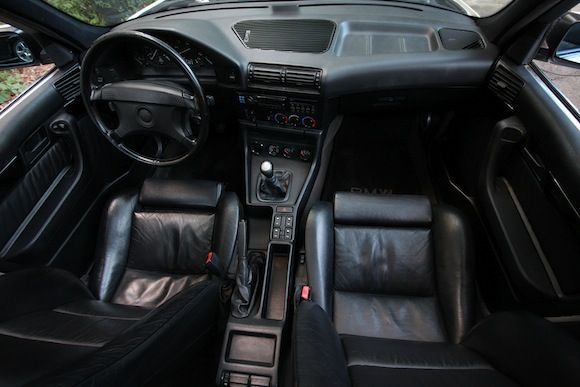
BMW E34 interior
The interior of the E34 was designed to be both luxurious and functional, with a focus on driver and passenger comfort.
The dashboard of the E34 featured a simple and elegant design, with clear gauges and well-placed controls. The seats were upholstered in high-quality materials, such as leather and velour, and were designed to provide both comfort and support. The driver’s seat was adjustable in multiple directions, allowing for a customized driving position.
Other interior features of the BMW E34 included power windows and locks, air conditioning, and a premium sound system. Some models also came with additional features, such as a sunroof, heated seats, and a trip computer.
Interior was well-regarded for its high-quality materials, solid construction, and comfortable driving position. It was designed to provide a luxurious and enjoyable driving experience, which is still appreciated by many car enthusiasts today. However, it’s worth noting that the interior design and features can vary depending on the specific model and year of the E34.
I recommend to read about BMW 503 “the hidden gem”
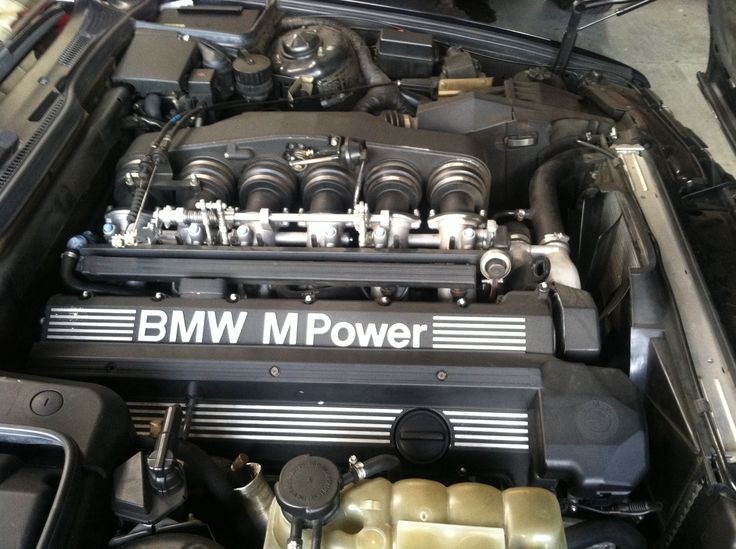
BMW E34 M5 engine the “s48”
BMW E34 engine
The BMW E34 was offered with a range of engines during its production from 1987 to 1996. The engine options varied depending on the model and year of the car, as well as the market it was sold in. Here are some examples of engines that were available in the E34:
- A 1.8-liter, 4-cylinder engine (in some European models)
- A 2.0-liter, 6-cylinder engine (in some European models)
- A 2.5-liter, 6-cylinder engine (in some European and North American models)
- A 2.8-liter, 6-cylinder engine (in some European models)
- A 3.0-liter, 6-cylinder engine (in some European and North American models)
- A 3.4-liter, 8-cylinder engine (in some European and North American models)
Most of these engines were naturally aspirated, meaning they did not have forced induction like a turbocharger or supercharger. However, some models did come with a turbocharged version of the 2.5-liter engine, which was known as the 525iX.
The most popular engine in the E34 was the M50 inline-six engine, which was available in several different versions ranging from 2.0 to 3.0 liters. The M50 engine was known for its smooth power delivery and reliability, and it was often used in BMW’s larger sedans and coupes.
Another popular engine option in the E34 was the M30 inline-six engine, which was available in several different displacements ranging from 2.5 to 3.5 liters. The M30 engine was known for its smoothness and durability, and it was often used in BMW’s larger sedans and coupes.
In addition to the inline-six engines, the E34 was also offered with a V8 engine option in some markets. The M60 V8 engine was available in both 3.0-liter and 4.0-liter versions and was known for its smooth and refined power delivery.
Big thanks for those engines for their smoothness, power delivery, and reliability, and many enthusiasts appreciate the classic BMW inline-six engine sound.


BMW M10 Engine
For over two decades, one engine formed the beating heart of BMW’s rise from niche manufacturer to global performance powerhouse: the venerable M10. This rugged, versatile, and incredibly tunable four-cylinder is a cornerstone of BMW history, powering everything from humble sedans to championship-winning race cars and even laying the foundation for the iconic M1 supercar. This…


Honda R-Series Engine: Your Complete Guide
Picture an engine family so versatile it powers everything from Tokyo commuter cars to American SUVs – all while delivering near-hybrid efficiency without a battery. That’s the Honda R-Series: the unsung hero in 20+ million vehicles since 2006. Forget the flashy K-Series – this is Honda’s real-world engineering masterpiece. We’ll dissect every engine, including the overlooked R16A/B, and…

Honda K-Series Engine: Full Guide
two things you can’t beat: your wife when she’s pregnant and a tuned Honda K engine, they make it much harder for other car manufactures to compete with such a cheap and powerful engine. drop it in your noisy civic and boom you are on the same level with mustangs. this engine family spans over…

Honda J-Series Engine
Since its debut in the late 1990s, this V6 engine series has powered everything from sleek sedans like the Honda Accord and Acura TL to rugged SUVs like the Pilot and Odyssey. In this definitive guide, we’ll explore every J-Series variant, their technical specs, tuning potential, maintenance secrets, and FAQs. Whether you’re a Honda enthusiast, mechanic,…

Honda H-Series Engine
From the screaming H22A in the Prelude SiR to the torquey H25A in the Odyssey, this series has powered some of Honda’s most iconic models. In this exhaustive guide, we cover every H-Series variant, including overlooked engines, with precise specs, tuning insights, and FAQs backed by in-depth research. Honda H-Series Evolution The H-Series debuted in 1992 with…
 Car Community
Leave a comment