

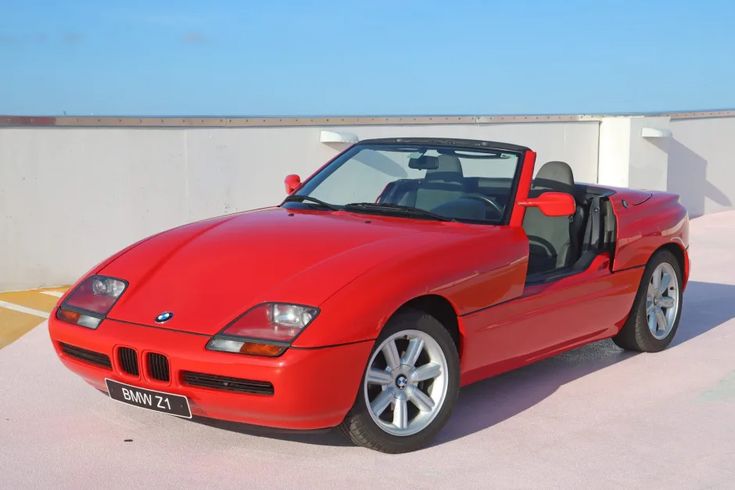
The BMW Z1 is a unique and distinctive sports car produced by BMW from 1989 to 1991. It was the first model in BMW’s line of Z series sports cars and is known for its innovative design features, including its retractable doors.
The Z1 featured a sleek and aerodynamic body with a low-slung profile. However, its most notable feature was its vertically retractable doors. Instead of traditional doors that swing outward, the Z1 had doors that lowered vertically into the car’s body, providing open-top driving without the need for a convertible roof. This design feature was quite innovative and gave the Z1 a distinct look.
Under the hood, the Z1 was powered by a 2.5-liter inline-six engine that produced around 168 horsepower. It had rear-wheel drive and came with either a five-speed manual or an optional four-speed automatic transmission. The performance figures were respectable for its time, with a top speed of approximately 140 mph (225 km/h) and a 0-60 mph (0-97 km/h) acceleration time of around 8 seconds.
If you are interested you should read about BMW 328
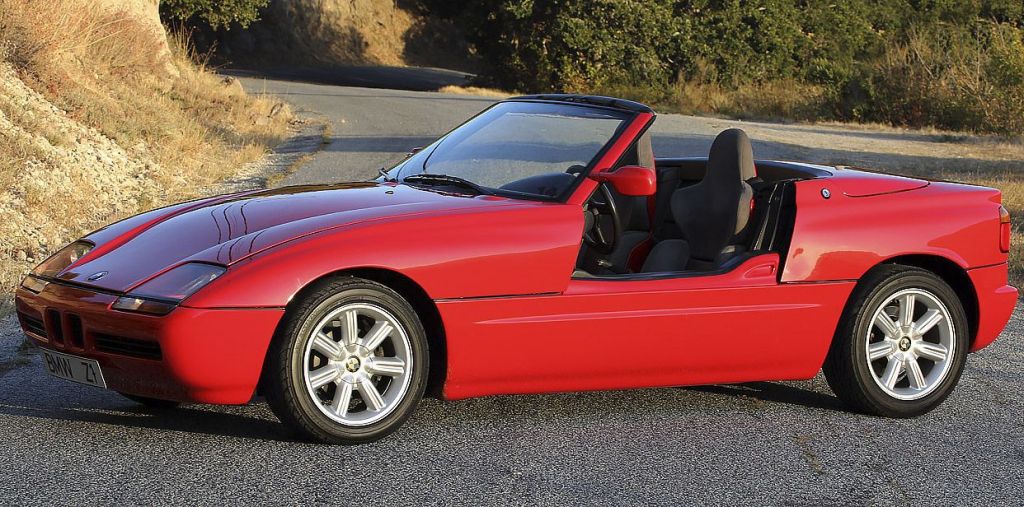
The Z1’s interior was driver-focused and sporty. It featured a compact cabin with supportive seats and a low-slung driving position. The dashboard design was simple and functional, with a focus on providing a connected and engaging driving experience.
BMW produced a limited number of Z1 models, with estimates ranging from around 8,000 to 10,000 units. The Z1 was never officially sold in the United States but was available in other markets, primarily Europe. Today, the BMW Z1 is considered a collectible classic, sought after by enthusiasts for its unique design and limited production numbers.
BMW Z1 Price
Its price can vary depending on factors such as condition, mileage, and location. However, it’s important to note that the Z1 is considered a collectible classic car, and as such, prices can be quite high.
Z1 typically commands a premium price in the used car market. In general, you can expect to find well-maintained and low-mileage examples priced anywhere from $50,000 to $100,000 or more. However, it’s worth noting that prices can fluctuate based on market demand and availability.
It’s important to conduct thorough research and consult with reputable sellers or automotive experts to get an accurate and up-to-date understanding of the current market prices for the BMW Z1. Additionally, factors such as rare options, special editions, and unique color combinations can also influence the price of individual Z1 models.
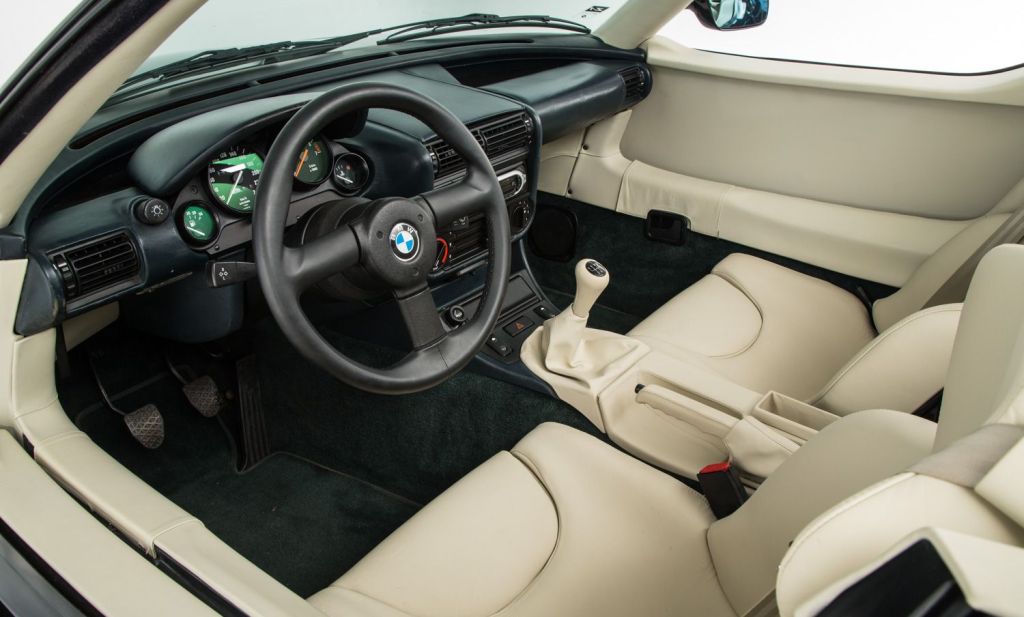
BMW Z1 interior
The BMW Z1 had a unique and driver-focused interior that complemented its sporty and fun-to-drive nature. Here are some key features and details of the Z1’s interior:
- Seating: The Z1 was a two-seater sports car, providing a driver and passenger with a close and connected driving experience. The seats were supportive and designed to hold occupants securely during spirited driving.
- Dashboard and Controls: The dashboard design was simple and functional, with a focus on providing easy access to essential controls and information. The layout was driver-centric, placing the controls within easy reach. The instrument cluster featured clear and legible gauges, including a speedometer and a tachometer.
- Steering Wheel: The Z1 had a sporty steering wheel that was comfortable to hold and provided good feedback. It typically featured various controls for functions such as audio and cruise control, although the specific features could vary based on the model and options.
- Center Console: The center console housed additional controls and features. It typically included climate control settings, audio controls, and storage compartments. The position of the center console contributed to the cockpit-like feel of the interior.
- Materials and Finishes: The Z1’s interior featured quality materials and finishes. The seats and trim were upholstered in premium materials such as leather, providing a luxurious feel. The choice of materials and colors could vary depending on individual preferences and options chosen.
- Convertible Top: Although the Z1 didn’t have a traditional convertible top, it featured removable plastic panels that could be stowed in the trunk. This allowed for an open-top driving experience when desired.
Z1’s interior was designed to enhance the driving experience, with a focus on ergonomics and driver engagement. The combination of sporty elements, quality materials, and driver-centric layout contributed to the overall appeal of the Z1 as an enjoyable and unique sports car.
I recommend to read about BMW 3/15

BMW Z1 engine
The BMW Z1 was powered by a 2.5-liter inline-six engine, specifically the BMW M20B25 engine. Here are some key details about the Z1’s engine:
- Displacement: The engine had a displacement of 2.5 liters, meaning it had a total volume of 2,494 cubic centimeters (cc).
- Configuration: The engine had an inline-six configuration, meaning it had six cylinders aligned in a straight line.
- Fuel Injection: The Z1’s engine featured fuel injection for improved fuel efficiency and performance. It utilized Bosch Motronic engine management system for precise fuel delivery.
- Power Output: The M20B25 engine produced around 168 horsepower (125 kW) at 5,800 RPM.
- Torque: The engine generated a torque output of approximately 164 lb-ft (222 Nm) at 4,300 RPM.
- Transmission: The Z1 came with a five-speed manual transmission as standard, offering a direct and engaging driving experience. There was no automatic transmission option available for the Z1.
- Performance: With its 2.5-liter engine, the BMW Z1 had respectable performance figures for its time. It could accelerate from 0 to 60 mph (0 to 97 km/h) in around 8 seconds and had a top speed of approximately 140 mph (225 km/h).
It’s worth noting that the Z1’s engine was derived from the BMW E30 325i models of the same era, which shared a similar powertrain. The engine was known for its smooth power delivery and good overall performance.
Please keep in mind that the specifications provided are based on the general information available about the BMW Z1’s engine. There may be variations or additional technical details depending on the specific model year or regional variations.

BMW Z1 Cons
While the BMW Z1 is a unique and iconic sports car, it’s important to consider some potential drawbacks or cons associated with the model. Here are a few points to keep in mind:
- Limited Production: The BMW Z1 was produced in limited numbers from 1989 to 1991, with estimates ranging from around 8,000 to 10,000 units. As a result, finding a Z1 for purchase can be challenging, and the limited supply may drive up prices.
- Complex and Expensive Maintenance: Due to its unique design and limited production, the Z1 can require specialized knowledge and parts for maintenance and repairs. This can result in higher costs for servicing and finding replacement components.
- Lack of Practicality: The Z1 is a two-seater sports car with limited cargo space. It lacks the practicality and utility of larger vehicles, making it less suitable for carrying passengers or substantial amounts of luggage.
- Aging Technology: The Z1 was produced in the late 1980s and early 1990s, so its technology and features may not be on par with modern vehicles. It may lack some of the advanced safety features, convenience technologies, and infotainment systems found in newer cars.
- Ride Comfort: The Z1’s sporty nature means that it prioritizes performance and handling over comfort. The suspension can be firm, which may result in a stiffer ride, especially on rough or uneven road surfaces.
- Limited Convertible Top: While the Z1 offers an open-top driving experience, the removable plastic panels used instead of a traditional convertible top mean that the car lacks the convenience and weatherproofing of a fully retractable roof. Additionally, removing and storing the panels can be cumbersome.
These points should be considered in relation to your specific needs and preferences. Despite these cons, many enthusiasts and collectors appreciate the BMW Z1 for its unique design and driving experience.


BMW M10 Engine
For over two decades, one engine formed the beating heart of BMW’s rise from niche manufacturer to global performance powerhouse: the venerable M10. This rugged, versatile, and incredibly tunable four-cylinder is a cornerstone of BMW history, powering everything from humble sedans to championship-winning race cars and even laying the foundation for the iconic M1 supercar. This…


Honda R-Series Engine: Your Complete Guide
Picture an engine family so versatile it powers everything from Tokyo commuter cars to American SUVs – all while delivering near-hybrid efficiency without a battery. That’s the Honda R-Series: the unsung hero in 20+ million vehicles since 2006. Forget the flashy K-Series – this is Honda’s real-world engineering masterpiece. We’ll dissect every engine, including the overlooked R16A/B, and…

Honda K-Series Engine: Full Guide
two things you can’t beat: your wife when she’s pregnant and a tuned Honda K engine, they make it much harder for other car manufactures to compete with such a cheap and powerful engine. drop it in your noisy civic and boom you are on the same level with mustangs. this engine family spans over…

Honda J-Series Engine
Since its debut in the late 1990s, this V6 engine series has powered everything from sleek sedans like the Honda Accord and Acura TL to rugged SUVs like the Pilot and Odyssey. In this definitive guide, we’ll explore every J-Series variant, their technical specs, tuning potential, maintenance secrets, and FAQs. Whether you’re a Honda enthusiast, mechanic,…

Honda H-Series Engine
From the screaming H22A in the Prelude SiR to the torquey H25A in the Odyssey, this series has powered some of Honda’s most iconic models. In this exhaustive guide, we cover every H-Series variant, including overlooked engines, with precise specs, tuning insights, and FAQs backed by in-depth research. Honda H-Series Evolution The H-Series debuted in 1992 with…
 Car Community
Leave a comment