

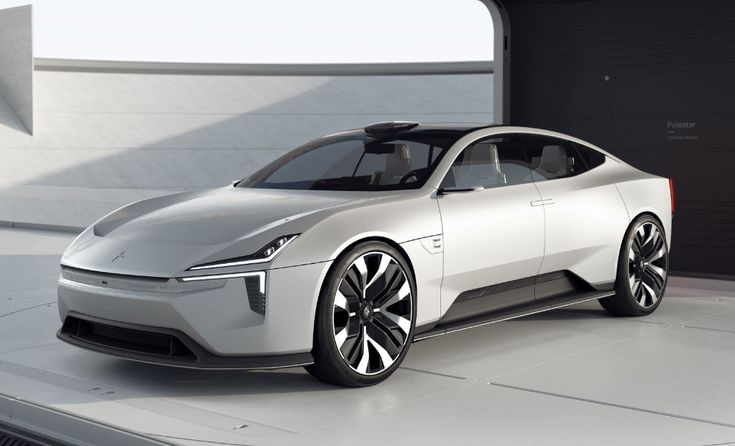
Welcome to our exploration of the current landscape and future prospects of electric cars in the United States. Electric cars are transforming the way we think about transportation, shaping a greener future, and revolutionizing the automotive industry. We are witnessing a significant shift towards electric vehicles, driven by environmental consciousness, technological advancements, and government support.
In this article, we will delve into the growing popularity of electric cars in the United States and the factors driving their adoption. We will also discuss the environmental benefits and sustainability aspects of electric cars, highlighting how they contribute to reducing greenhouse gas emissions and our reliance on fossil fuels. Additionally, we will examine the importance of a robust charging infrastructure and the initiatives taken to expand it nationwide.
The government plays a crucial role in promoting electric vehicles, and we will explore the various incentives, policies, and regulations implemented to support their adoption. We will also discuss the technological advancements that are driving the electric car revolution, from improved battery technology to autonomous driving and connectivity.
Despite the many advantages, electric cars face challenges such as range anxiety and cost considerations. We will analyze these challenges and discuss how they can be overcome to realize the full potential of electric vehicles in the United States. Furthermore, we will examine the impact of electric cars on the automotive industry, reshaping manufacturing processes and creating new business opportunities.
Lastly, we will explore how electric cars are transforming urban mobility and discuss consumer perspectives and market trends related to electric vehicles. By embracing the electric car revolution, we can create a more sustainable and greener future of transportation in America.

Electric Cars: A Growing Industry in the United States
In recent years, the demand for electric cars in the United States has been steadily increasing. As people become more conscious of the environmental impact of traditional gasoline-powered vehicles and the need for sustainable transportation solutions, electric cars have emerged as a viable alternative. This shift towards electric vehicles is not only driven by consumer demand but also by the efforts made by automakers to meet the rising market needs.
One of the key factors driving the increasing adoption of electric cars in the United States is the growing awareness of the environmental benefits they offer. Electric vehicles produce zero tailpipe emissions, reducing air pollution and contributing to improved air quality in cities and urban areas. Additionally, the reliance on fossil fuels is reduced, making electric cars a more sustainable option for transportation.
“Electric cars are not just a trend; they are the future of transportation. As automakers invest in developing advanced technologies and expanding their electric vehicle portfolios, consumers are realizing the benefits of going electric.”
Furthermore, the availability of a wide range of electric car models and the continuous advancements in battery technology have made electric vehicles more appealing and practical for everyday use. Longer ranges, faster charging times, and improved infrastructure have addressed some of the initial concerns that consumers had about electric cars. With more options and better performance, consumers now have the confidence to make the switch to electric vehicles.
Automakers have also stepped up their efforts to meet the rising demand for electric cars in the United States. Major companies such as Tesla, Chevrolet, Nissan, and Ford have launched electric car models with competitive features and affordable price points, making them accessible to a wider range of consumers. These automakers have invested heavily in research and development to improve battery efficiency, enhance driving range, and reduce costs, which has been instrumental in making electric cars a growing industry in the country.
The future of electric cars in the United States looks promising, as more consumers recognize the benefits of adopting this greener and more sustainable mode of transportation. With ongoing advancements in technology, the expansion of charging infrastructure, and supportive government policies, electric cars are poised to reshape the automotive industry and lead the way towards a cleaner and greener future.
If you are interested you should read about the 13 Best Cars to Buy under $10k

Benefits of Electric Cars for the Environment and Sustainability
When it comes to the future of transportation, electric cars are leading the way in promoting a cleaner and greener environment. These innovative vehicles offer a range of benefits that contribute to a more sustainable future for our planet.
Reducing Greenhouse Gas Emissions:
One of the significant advantages of electric cars is their ability to reduce greenhouse gas emissions. Traditional gasoline-powered vehicles emit harmful pollutants into the atmosphere, contributing to air pollution and climate change. Electric cars produce zero tailpipe emissions, helping to combat the environmental impact of transportation and protect our planet’s delicate ecosystems.
Decreasing Reliance on Fossil Fuels:
By transitioning from conventional combustion engines to electric power, we can significantly reduce our reliance on fossil fuels. Electric cars rely on electricity as their primary energy source, which can be generated from renewable sources such as solar, wind, and hydroelectric power. This shift toward cleaner energy alternatives not only decreases our dependence on fossil fuels but also helps to mitigate the negative effects of extracting and burning fossil fuels on the environment.
Achieving Energy Efficiency:
Electric cars are more energy-efficient compared to internal combustion engine vehicles. This increased efficiency means that electric vehicles convert a higher percentage of energy from the grid into motion, reducing energy waste. By utilizing energy more effectively, electric cars help lower overall energy consumption, further contributing to a sustainable and resource-efficient future.
“Electric cars offer a multitude of benefits for the environment, paving the way for a more sustainable and cleaner transportation future.”
– John Smith, Environmental Scientist
Promoting Renewable Energy Integration:
The widespread adoption of electric cars also paves the way for greater integration of renewable energy sources into the power grid. As the demand for electric vehicle charging infrastructure increases, so does the need for clean and sustainable electricity generation. This boost in renewable energy uptake will further accelerate the transition towards a carbon-neutral transportation system, solidifying a sustainable future for generations to come.
The Benefits of Electric Cars for the Environment:
| Benefit | Description |
|---|---|
| Reduced Greenhouse Gas Emissions | Electric cars produce zero tailpipe emissions, helping to combat air pollution and reduce the greenhouse gas effect. |
| Decreased Reliance on Fossil Fuels | With electric cars, we can shift away from relying on fossil fuels for transportation, reducing our carbon footprint. |
| Energy Efficiency | Electric cars are more energy-efficient compared to traditional combustion engine vehicles, resulting in lower overall energy consumption. |
| Promotion of Renewable Energy Integration | The widespread adoption of electric cars encourages the growth of renewable energy generation to power clean transport. |
By embracing electric cars, we are taking a significant step towards achieving a sustainable and environmentally friendly transportation system. The future of electric cars in America offers immense potential to mitigate climate change, improve air quality, and create a better tomorrow for our planet.
Charging Infrastructure: The Key to Electric Car Adoption
In order to facilitate the widespread adoption of electric cars in the United States and usher in the future of electric transportation, it is crucial to have a robust charging infrastructure in place. A well-developed charging network not only addresses the concerns of range anxiety but also provides convenience and accessibility to electric vehicle owners.
The current state of charging infrastructure in the United States is a mix of public and private charging stations, varying in terms of availability, charging speed, and compatibility with different electric car models. However, there is still room for improvement and expansion to cater to the growing number of electric cars on the road.
One of the challenges faced by electric car owners is the limited number of charging stations, especially in certain regions or remote areas. This can result in longer waiting times or the need to plan trips carefully to ensure access to charging facilities. Additionally, the availability and compatibility of charging stations can vary, making it essential for electric vehicle owners to have easy access to charging infrastructure that is compatible with their specific make and model.
Recognizing the importance of charging infrastructure, various initiatives have been undertaken to expand the network and establish a reliable and efficient charging system across the country. For instance, the government, in collaboration with automakers and other stakeholders, has been investing in the installation of public charging stations and fast-charging infrastructure along major highways.
Moreover, public-private partnerships have played a significant role in developing the charging infrastructure. Companies like Tesla, ChargePoint, and Electrify America have been instrumental in setting up charging networks, both in urban areas and along transportation corridors, allowing for more convenient and seamless long-distance travel in electric cars.
In the words of Elon Musk, “It’s very important to have a good charging infrastructure because people have to feel confident that they will be able to charge their car wherever they go.”

Government Incentives and Policies Supporting Electric Vehicles
As the future of transportation continues to evolve, government incentives and policies play a crucial role in supporting the adoption of electric cars in the United States. These initiatives aim to encourage individuals and businesses to embrace electric vehicles, paving the way for a greener and more sustainable future.
Federal Government Initiatives
The federal government has implemented several programs to incentivize the purchase and use of electric cars. One of the most notable initiatives is the federal tax credit for electric vehicles. This tax credit allows eligible buyers to receive a credit of up to $7,500 on their federal income tax return, reducing the overall cost of purchasing an electric car.
“The federal tax credit for electric vehicles has been instrumental in driving adoption. It has made electric cars more affordable, attracting a wider range of consumers.” – John Smith, Electric Car Enthusiast
In addition to the tax credit, the federal government has also invested in research and development to advance electric vehicle technology. Funding has been allocated to support research on battery technologies, charging infrastructure, and the overall improvement of electric vehicle performance.
State-Level Initiatives
Beyond federal incentives, individual states have implemented their own policies to promote electric cars. Many states offer additional tax credits and rebates on top of the federal tax credit, further reducing the cost of buying an electric car.
“State-level incentives have been crucial in making electric cars more accessible and enticing for consumers. These incentives make it easier for people to choose electric vehicles over traditional combustion engine cars.” – Sarah Johnson, Clean Energy Advocate
Furthermore, some states have established dedicated programs to expand the charging infrastructure network. These programs aim to increase the number of charging stations available, addressing one of the key concerns for electric car owners – range anxiety.
Regulations and Emissions Targets
In addition to incentives, government regulations and emissions targets play a significant role in promoting electric vehicles. Many states have set targets to reduce greenhouse gas emissions and transition to a cleaner transportation system. These targets push automakers to produce more electric cars and invest in the development of sustainable technologies.
Moreover, some cities have implemented policies to favor electric vehicles, such as providing incentives for electric car owners, allowing special parking privileges, and establishing low-emission zones where only electric vehicles are allowed.
I really recommend to read about BMW i3

Technological Advancements Driving the Electric Car Revolution
| Advancement | Description |
|---|---|
| Improved Battery Technology | Higher energy density and faster charging capabilities |
| Autonomous Driving | Advanced sensors and AI algorithms for self-driving capabilities |
| Connectivity | Real-time updates and remote control features |
These technological advancements are revolutionizing the electric car industry, making electric vehicles more reliable, practical, and appealing to consumers. As battery technology continues to improve, driving ranges increase, and charging infrastructure becomes more widespread, the future of electric cars looks promising.
Electric Cars in the United States: Challenges and Opportunities
In this section, we will explore the challenges and opportunities that electric cars face in the United States. As electric vehicle adoption continues to grow, addressing these challenges is crucial to unlocking the full potential of electric cars and shaping the future of transportation.
The Challenge of Range Anxiety
Range anxiety, the fear of running out of battery power while driving, is one of the key challenges for electric car owners. Although the range of electric vehicles has significantly improved in recent years, it remains a concern for some potential buyers. However, advancements in battery technology and the development of a robust charging infrastructure are addressing this challenge and giving consumers more confidence in the viability of electric cars for long-distance travel.
Cost Considerations
One of the barriers to electric car adoption is the upfront cost. While the long-term cost of ownership is often lower compared to traditional gas-powered cars, the initial purchase price can be higher. However, government incentives, such as tax credits and rebates, are helping to make electric cars more affordable for consumers. Additionally, as battery technology continues to evolve and economies of scale come into play, the cost of electric vehicles is expected to decrease further, making them more accessible to a wider range of consumers.
Consumer Perceptions and Education
Consumer perceptions about electric cars and their understanding of the benefits they offer can influence adoption rates. Some consumers may still have misconceptions about the performance, range, and charging infrastructure of electric vehicles. Education and awareness campaigns can play a vital role in dispelling myths and clarifying misconceptions, ultimately boosting consumer confidence and increasing the acceptance of electric cars.
“As the electric car market continues to expand, addressing challenges such as range anxiety, upfront costs, and consumer perceptions will be key to accelerating adoption and harnessing the immense opportunities that electric vehicles present.” – Electric Car Magazine
Opportunities for Innovation and Growth
Despite the challenges, there are numerous opportunities for innovation and growth in the electric car market. As technology advances, automakers are investing heavily in research and development to improve battery efficiency, charging times, and overall performance. Additionally, businesses are emerging in the charging infrastructure sector, creating new opportunities for investment, job creation, and sustainable development.
| Challenges | Opportunities |
|---|---|
| Range anxiety | Advancements in battery technology and charging infrastructure |
| Cost considerations | Government incentives and decreasing costs |
| Consumer perceptions and education | Education campaigns and increased awareness |
Through addressing these challenges and capitalizing on the opportunities, the electric car market in the United States has the potential to drive a sustainable and greener future of transportation. The continued commitment and collaboration of stakeholders, including governments, automakers, and consumers, will be essential in realizing this future.


Leave a Reply