


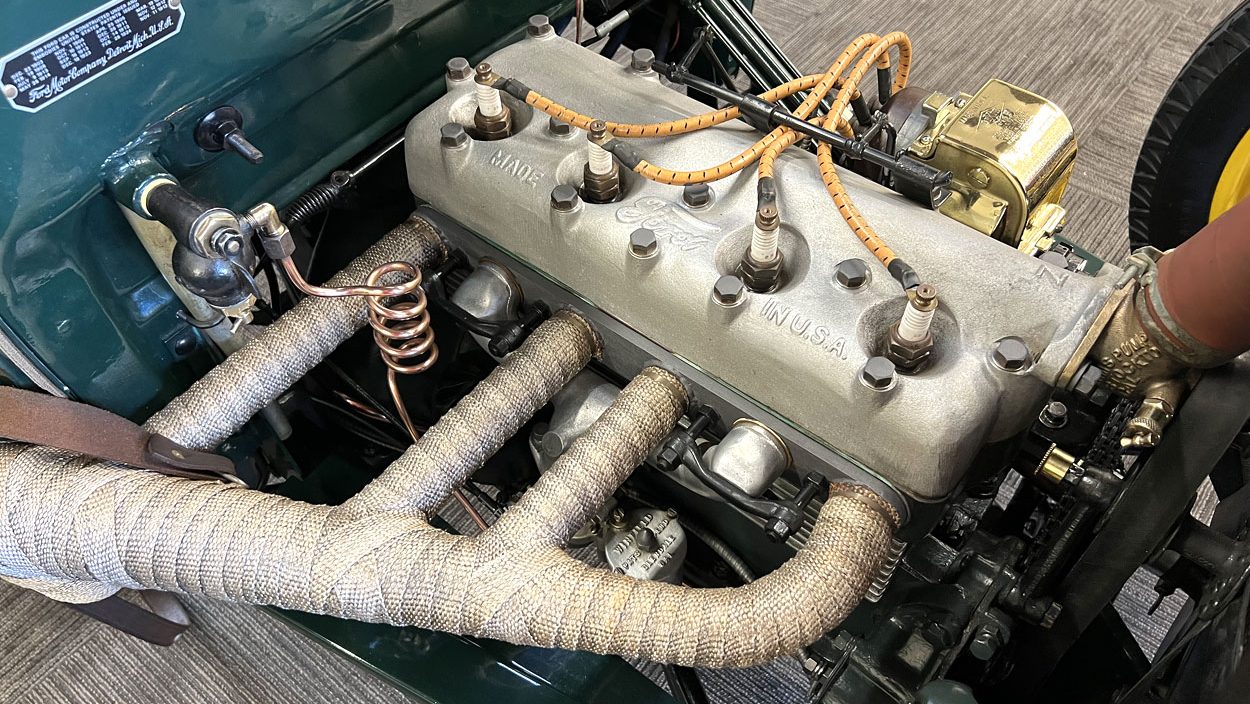
The Ford 177 CU 2.9L engine, commonly associated with the Ford Model T, is a historic powerplant that played a significant role in the development of the automobile industry. Here’s an in-depth look at this iconic engine.
Ford Model T Engine Specifications
| Specification | Details |
|---|---|
| Displacement | 177 cubic inches (2.9 liters) |
| Configuration | Inline 4-cylinder |
| Bore x Stroke | 3.75 inches x 4.00 inches |
| Compression Ratio | 4.5:1 |
| Fuel System | Gravity-fed carburetor |
| Valve Configuration | Side-valve (flathead) |
| Ignition System | Magneto |
| Fuel Type | Gasoline |
| Cooling System | Thermosyphon (water-cooled) |
Ford Model T Performance
| Specification | Details |
|---|---|
| Power Output | 20 hp @ 1600 rpm |
| Torque | Approximately 83 lb-ft |
| Top Speed | 42 mph |
| Fuel Economy | 13-21 MPG (varies by driving conditions) |
Ford Model T Dimensions and Weight
| Specification | Details |
|---|---|
| Length | 2338 mm (92.0 in) |
| Width | 711 mm (28.0 in) |
| Height | 927 mm (36.5 in) |
| Weight | 175 kg (386 lbs) |
If you are interested you should read about the Best Cars for Dog Owners

Features and Innovations
The engine of the Ford Model T was revolutionary for its time, incorporating several key features that contributed to its success:
Simple and Robust Design
- Flathead Design: The side-valve configuration made the engine simpler to manufacture and maintain.
- Magneto Ignition: Provided a reliable and maintenance-free ignition system compared to battery and coil systems of the time.
Gravity-Fed Carburetor
- Simplicity: The gravity-fed carburetor eliminated the need for a fuel pump, reducing the complexity and potential points of failure.
- Ease of Maintenance: Simplified fuel system maintenance for owners.
Thermosyphon Cooling System
- Passive Cooling: The thermosyphon system relied on natural convection to circulate coolant, eliminating the need for a water pump.
- Reliability: Reduced the number of moving parts, enhancing overall reliability.

Applications
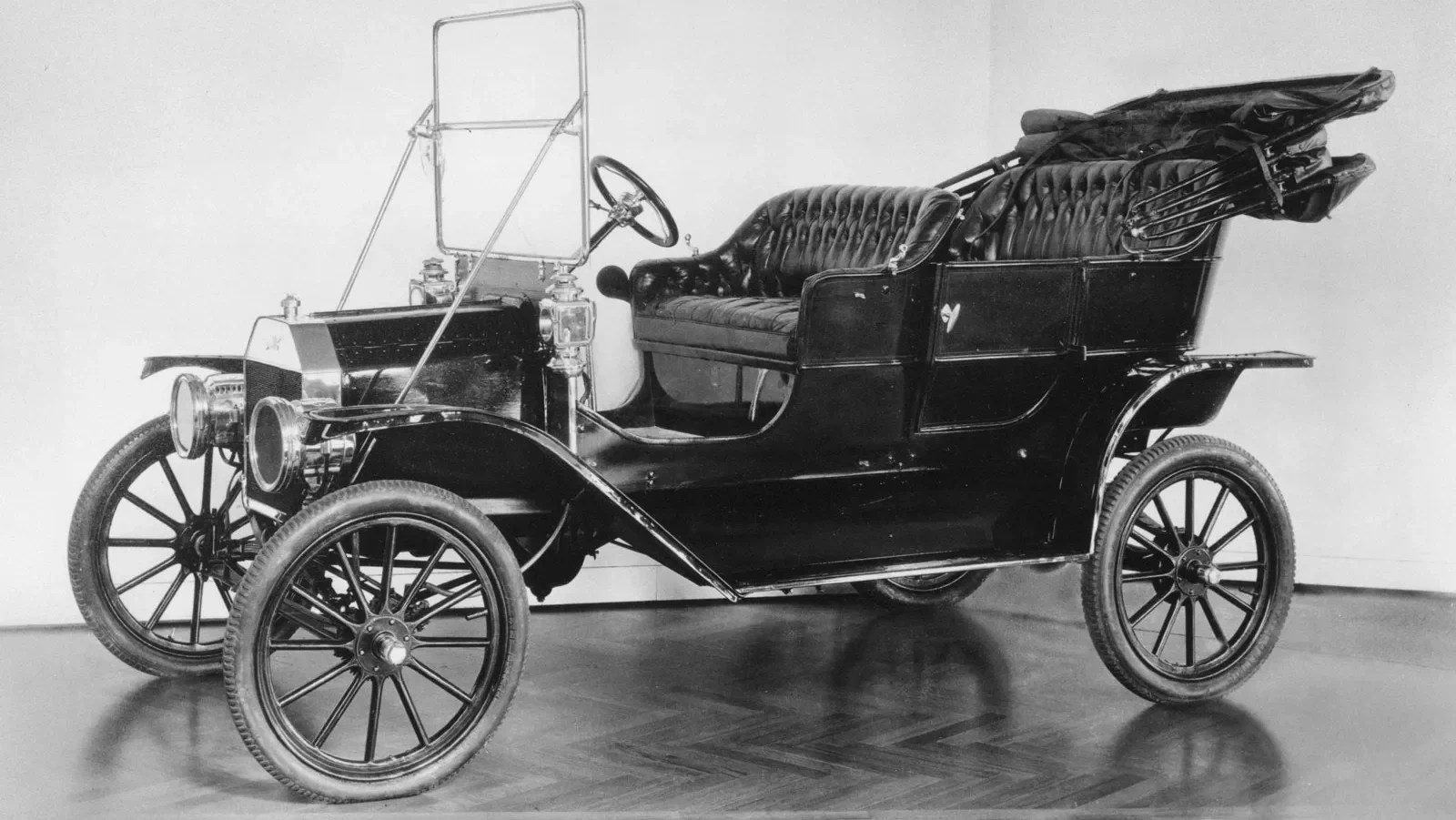
The Ford Model T engine was used exclusively in the Model T, which was produced from 1908 to 1927. During its production run, the Model T became the world’s first mass-produced automobile, significantly contributing to the motorization of society.
Ford Model T
The Ford Model T, affectionately known as the “Tin Lizzie,” was available in various body styles, including:
- Touring Car
- Runabout
- Coupe
- Sedan
- Pickup Truck
The versatility of the Model T’s platform allowed it to serve a wide range of purposes, from personal transportation to commercial and agricultural applications.
Maintenance and Reliability
The Model T engine was designed to be easily maintained by its owners, reflecting Henry Ford’s vision of creating a car for the masses.
Key Maintenance Tasks
- Oil Changes: Regular oil changes were essential to keep the engine running smoothly.
- Cooling System: Ensuring the coolant was topped up and free of debris to prevent overheating.
- Ignition System: Periodic checking of the magneto and spark plugs for optimal performance.
Common Issues
While generally reliable, the Model T engine did have some common issues:
- Overheating: The thermosyphon cooling system, while innovative, could sometimes struggle in very hot conditions.
- Ignition Problems: The magneto ignition system, though low-maintenance, could sometimes suffer from weak spark issues.


 Car Community
Leave a comment